


x
 Acrylic On CanvasWallArtGerman Expressionism
 1913Early Medieval
 37.0 x 44.0 cm




























작품의 원본 비율을 유지하는 미리 설정된 크기 중에서 선택하세요.

특정 프레임이나 공간에 맞도록 직접 크기를 입력할 수 있습니다. 선택하신 크기가 원본 이미지의 비율과 일치하지 않는 경우, 작품을 자르거나 추가적인 손으로 그린 요소를 사용하여 그림을 확장합니다. 제작 시작 전 승인을 위해 디지털 목업을 보내드립니다.
화면 미리 보기는 실제 자르기 또는 확장을 반영하지 않습니다. 최종 구성은 목업을 통해서만 정확하게 확인하실 수 있습니다.
맞춤 크기 제작도 가능하지만, 원본 비율을 유지하기 위해 사전 정의된 목록에서 크기를 선택하시는 것을 권장합니다.

Sleeping Deer
복제본 크기
Franz Marc's "Sleeping Deer," painted in 1913, isn’t merely a depiction of an animal resting; it’s a profound meditation on the interconnectedness between humanity and the natural world. This captivating work, measuring 37 x 44 cm, embodies the core tenets of German Expressionism – a movement driven by intense emotion and a desire to capture the inner spirit of subjects rather than simply their outward appearance. Marc, born in Munich in 1880, possessed an almost mystical connection with animals, viewing them as embodiments of primal instincts and spiritual truths. His early flirtation with theology, coupled with his deep appreciation for Vincent van Gogh’s expressive brushwork, profoundly shaped his artistic philosophy – a belief that art could serve as a pathway to experiencing the sublime.
“Sleeping Deer” is executed in the innovative style of Cubism, a revolutionary approach pioneered by artists like Pablo Picasso and Georges Braque. Marc doesn’t strive for realistic representation; instead, he breaks down the deer's form into geometric shapes – triangles, rectangles, and circles – presenting multiple viewpoints simultaneously. This fragmentation isn’t chaotic, however. It’s carefully orchestrated to heighten the sense of stillness and introspection. The bold use of color is equally crucial. A striking red and white background dominates the composition, creating a dramatic contrast against the earthy tones of the deer's body. These colors aren’t chosen arbitrarily; they evoke feelings of both vitality and tranquility, mirroring the animal’s state of repose.
Beyond its formal qualities, “Sleeping Deer” is laden with symbolic meaning. The deer itself has long been associated with grace, gentleness, and connection to the wild. Marc’s choice to depict it lying down suggests a surrender to the present moment, a recognition of the cyclical nature of life and death. The setting – a simplified landscape with trees in the distance – reinforces this theme of interconnectedness. The deer isn't isolated; it’s part of a larger ecosystem, existing in harmony with its surroundings. This resonates deeply with Marc’s broader spiritual concerns, reflecting his belief that art could reveal hidden truths about our place within the universe.
“Sleeping Deer” was created during a period of intense artistic experimentation and social upheaval in Germany. It’s housed at the Karl Ernst Osthaus Museum in Hagen, an institution dedicated to integrating art into everyday life – a philosophy that aligns perfectly with Marc's own vision. Most-Famous-Paintings offers meticulously crafted hand-painted reproductions of this iconic work, allowing you to bring its profound beauty and symbolic depth into your home or office. Each reproduction is created using traditional techniques by skilled artists who have painstakingly studied Marc’s original style, ensuring an authentic representation of this seminal piece of German Expressionism. Whether you are a seasoned art collector, an admirer of modern art, or simply seeking a captivating work of art to inspire and uplift, a Most-Famous-Paintings reproduction of “Sleeping Deer” is a timeless investment in beauty and contemplation.
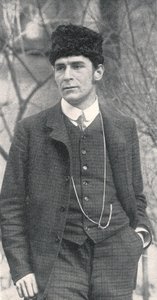
1880 - 1916 , 독일

Explore the visceral power of German Expressionism. From Ernst Ludwig Kirchner to Die Brücke, discover how bold colors and distorted forms unmask raw human emotion in this expert art history guide for collectors and enthusiasts.

Explore the revolutionary world of Cubism. Discover how masters Pablo Picasso and Georges Braque dismantled reality through geometric abstraction to redefine modern art history.


최신 미술 뉴스, 특별 혜택 및 인테리어 아이디어를 가장 먼저 만나보세요.
프로젝트에 대해 알려주시면 저희 미술 전문가들이 맞춤형 아트 제안 3가지를 전달해 드립니다.
당신만을 위한 맞춤형 옵션 3가지를 무료로 추천해 드립니다!


 미리보기
미리보기
 프린트 구매
 공유하기
공유하기 공유하기
공유하기
 상세 정보
상세 정보

 다운로드
다운로드
 유사 작품
유사 작품 X-레이
X-레이 슬라이드 쇼
 더 보기
더 보기









 유리 옵션은 110cm 미만 크기에서만 선택 가능합니다.


