


x
 Cubism
 90.0 x 90.0 cm
빠른 제작과 다양한 마감 옵션을 제공하는 박물관 품질의 지클레이 또는 캔버스 프린트. ( 수제 페인팅으로 전환하기 이미지로 전환)
작품의 원본 비율을 유지하는 미리 설정된 크기 중에서 선택하세요.

특정 프레임이나 공간에 맞춰 직접 치수를 입력하실 수 있습니다. 선택하신 사이즈가 원본 이미지의 비율과 일치하지 않을 경우, 작품을 크롭(자르기)하거나 이미지를 대칭 또는 단색 채우기로 확장하여 제작합니다. 제작 시작 전, 최종 확인을 위해 디지털 목업이 전송됩니다.
화면상의 미리보기는 실제 크롭이나 확장 상태를 반영하지 않으므로, 최종 구도는 오직 목업을 통해서만 정확하게 확인하실 수 있습니다.
맞춤 사이즈 제작도 가능하지만, 원본 비율을 유지하기 위해서는 사전 정의된 목록에서 치수를 선택하시는 것을 권장합니다.

White Trebol
복제본 크기

Born in 1962 amidst the vibrant cultural landscape of Jalapa, Mexico, Gabriel Orozco has emerged as one of the most profound voices in contemporary art. His early years were steeped in the rich, politically charged atmosphere of the Mexican muralist tradition; as the son of Mario Orozco Rivera, a distinguished mural painter and professor, young Gabriel was often present in the studios of masters like David Alfaro Siqueiros. These formative experiences, where conversations on art and politics blended seamlessly with the act of creation, planted the seeds for an artistic practice that would eventually transcend borders and mediums. Moving to Mexico City as a child, he grew up surrounded by the weight of history, yet his path would lead him far beyond the confines of traditional muralism toward a more ephemeral and globalized aesthetic.
Orozco’s formal education provided the technical foundation for his later experimentation. After studying at the Escuela Nacional de Artes Plásticas between 1981 and 1984, he sought new horizons in Madrid, enrolling at the Círculo de Bellas Artes. It was during his time in Spain that a pivotal psychological shift occurred. Confronted with the experience of being an immigrant in a society that felt both avant-garde and deeply conservative, Orozco embraced a sense of vulnerability. This feeling of displacement and the tension between different cultural identities became a cornerstone of his work, allowing him to view the world through a lens of "otherness" that would later inform his explorations of geometry, everyday objects, and the transient nature of existence.
Gaining international acclaim in the early 1990s, Orozco redefined the boundaries of what an artist could inhabit. He refused to be tethered to a single medium, instead weaving together drawing, photography, sculpture, and installation into a cohesive, albeit fragmented, visual language. His work often finds beauty in the overlooked, utilizing found objects and geometric precision to create pieces that feel both spontaneous and meticulously calculated. This versatility led the critic Francesco Bonami to famously declare him "one of the most influential artists of this decade, and probably the next one too."
His artistic evolution is marked by several key characteristics:
Today, Gabriel Orozco remains a nomadic figure in the truest sense, dividing his time between Paris, New York, and Mexico City. This global lifestyle mirrors the fluidity of his art, which refuses to be anchored to a single geography or tradition. His significance lies in his ability to navigate the complexities of the modern world—addressing themes of cultural identity, vulnerability, and the intersection of politics and aesthetics without ever falling into didacticism. By finding the extraordinary within the ordinary, Orozco has left an indelible mark on the trajectory of contemporary art, teaching us to look closer at the fleeting moments that define our shared reality.

1962 - , Mexico
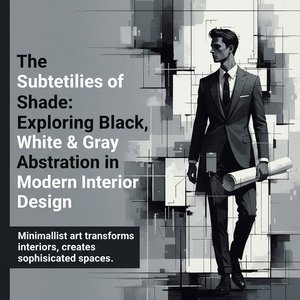
전문적인 호텔 공간 디자인을 위한 흑백 회색 추상화 활용법! 색채 심리학 기반의 분위기 조성 전략과 최적의 작품 선택 가이드 제공. 브랜드 가치 제고 노하우를 지금 확인하세요.

Find serenity with 10 minimalist masterpieces! Explore Agnes Martin, Rothko & more. Discover the stories behind iconic abstract art, neutral palettes & calming designs. Museum-quality reproductions at Most-Famous-Paintings.com – elevate your home decor today!
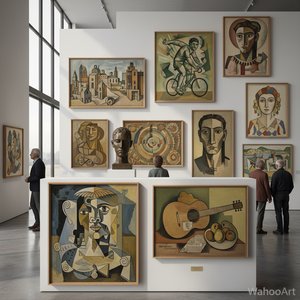
피카소, 브라크의 큐비즘 걸작 10선! 혁신적인 예술 세계를 만나보세요. 각 작품의 숨겨진 이야기와 감동을 Most-Famous-Paintings에서 경험하고, 당신의 공간에 특별한 예술적 영감을 더하세요. 지금 바로 Most-Famous-Paintings.com에서 모든 명작을 발견해보세요!

Explore the evolution of geometric abstraction from Cubism to contemporary art. Discover key artists like Malevich & Mondrian, investment insights, and expert collecting advice at Most-Famous-Paintings.
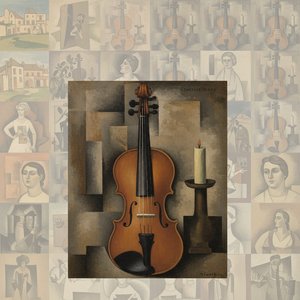
조르주 브라크의 시대를 초월한 25개의 걸작을 만나보세요. 입체주의를 개척한 프랑스 화가의 예술 세계와 숨겨진 이야기를 Most-Famous-Paintings에서 감상하고, 명작 유화 복제본으로 공간에 특별함을 더하세요. 지금 바로 컬렉션을 탐험하세요!


최신 미술 뉴스, 특별 혜택 및 인테리어 아이디어를 가장 먼저 만나보세요.
프로젝트에 대해 알려주시면 저희 미술 전문가들이 맞춤형 아트 제안 3가지를 전달해 드립니다.
당신만을 위한 맞춤형 옵션 3가지를 무료로 추천해 드립니다!


 미리보기
미리보기
 공유하기
공유하기 공유하기
공유하기
 상세 정보
상세 정보

 다운로드
다운로드
 유사 작품
유사 작품 X-레이
X-레이 슬라이드 쇼
 더 보기
더 보기






































 유리 옵션은 110cm 미만 크기에서만 선택 가능합니다.


