


x





























작품의 원본 비율을 유지하는 미리 설정된 크기 중에서 선택하세요.

특정 프레임이나 공간에 맞도록 직접 크기를 입력할 수 있습니다. 선택하신 크기가 원본 이미지의 비율과 일치하지 않는 경우, 작품을 자르거나 추가적인 손으로 그린 요소를 사용하여 그림을 확장합니다. 제작 시작 전 승인을 위해 디지털 목업을 보내드립니다.
화면 미리 보기는 실제 자르기 또는 확장을 반영하지 않습니다. 최종 구성은 목업을 통해서만 정확하게 확인하실 수 있습니다.
맞춤 크기 제작도 가능하지만, 원본 비율을 유지하기 위해 사전 정의된 목록에서 크기를 선택하시는 것을 권장합니다.

Passion Flower
복제본 크기
Gene Davis's "Passion Flower," painted in 1968, isn’t merely a depiction of a flower; it’s an immersive experience—a vibrant plunge into the heart of Color Field painting and the Washington Color School. This work, housed within the esteemed San Francisco Museum of Modern Art (SFMOMA), stands as a testament to Davis's pioneering approach to abstraction, utilizing color not to represent form but to evoke feeling and rhythm. The piece immediately commands attention with its bold, vertical stripes—a seemingly simple arrangement that belies a complex interplay of visual elements and a profound exploration of the chromatic spectrum.
Davis’s genius lies in his meticulous control of color and line. Each stripe is an individual entity, a solid block of hue ranging from fiery oranges and passionate reds to cool blues and serene pinks. These colors aren't blended or mixed; they exist as distinct, unyielding planes, creating a dynamic visual texture that shifts with the viewer’s perspective. The consistent width of each line adds to this sense of order and rhythm, while subtle variations in saturation and intensity prevent the composition from feeling static. It’s akin to a carefully orchestrated musical score—a series of deliberate color notes building towards an emotional crescendo.
To fully appreciate “Passion Flower,” it's crucial to understand its context within the broader art movement of the mid-20th century. Davis was a key figure in the Washington Color School, a group of painters based in Washington D.C. who pushed the boundaries of abstract expressionism by focusing almost exclusively on color and its effects. This movement emerged as a reaction against the gestural brushstrokes and figurative elements prevalent in earlier forms of abstraction. Instead, artists like Davis sought to create paintings that were purely about color—to explore its emotional power and visual resonance without relying on representational imagery.
The Washington Color School’s approach was heavily influenced by the work of Mark Rothko, whose large-scale color field paintings had a profound impact on the group. However, Davis developed his own distinctive style, characterized by his use of vertical stripes and his meticulous attention to detail. His work can be seen as a bridge between Rothko's meditative color explorations and the more dynamic compositions of Morris Louis and Kenneth Noland, both contemporaries within the Color Field movement.
While “Passion Flower” ostensibly depicts a flower—a symbol of love, sacrifice, and rebirth—Davis deliberately stripped away any representational elements. The absence of recognizable forms allows the viewer to project their own emotions and associations onto the painting. The vibrant colors themselves carry symbolic weight: red evokes passion and energy, blue suggests tranquility and introspection, while pink hints at tenderness and vulnerability.
Interestingly, the title itself—"Passion Flower"—references the flower's association with the crucifixion of Christ. This religious symbolism adds another layer of meaning to the work, suggesting a connection between earthly beauty and spiritual transcendence. However, Davis’s focus on pure color suggests that he wasn’t interested in literal representation but rather in capturing the *feeling* of passion—its intensity, its complexity, and its transformative power.
Today, “Passion Flower” remains a seminal work of American abstract art. Its bold colors and dynamic composition continue to captivate viewers and inspire artists. High-quality reproductions offer an accessible way to experience the painting’s emotional impact, making it a valuable addition to any collection or interior space. The vertical stripes create a strong visual anchor, adding a touch of sophistication and energy to any room. Consider pairing this artwork with complementary colors—such as earthy greens or warm neutrals—to enhance its vibrancy and create a harmonious aesthetic.
Gene Davis’s “Passion Flower” is more than just a painting; it's an invitation to lose yourself in the world of color, to explore the depths of emotion, and to appreciate the power of abstraction. It stands as a testament to his innovative approach and enduring legacy within the art world.

20세기 중반 미국 추상 미술이라는 활기찬 태피스트리 속에서, 진 데비스가 짜 내려간 실만큼 밝고 리드미컬하게 빛나는 것은 드뭅니다. 컬러 필드(Color Field) 운동의 선구자였던 데비스는 캔버스를 빛과 움직임이 교차하는 리듬감 넘치는 경험으로 변모시키는 독보적인 능력을 지니고 있었습니다. 1920년 워싱토로 D.C.에서 태어난 그가 워싱턴 컬러 스쿨의 중심 인물로 거듭나기까지의 여정은 즉각적인 추상으로의 도약이라기보다, 예리한 관찰력을 바탕으로 한 점진적인 진화에 가까웠습니다. 상징적인 스트라이프를 그리기 위해 붓을 들기 전, 데비스는 스포츠 기자로 활동했습니다. 움직임과 에너지, 그리고 생생한 현장에서 펼쳐지는 드라마에 날카로운 집중력을 요구하는 이 직업적 경험은, 훗날 그의 회화 속에서 맥동하는 수직적 구성의 밑거름이 되었습니다.
그의 추상적 언어의 씨앗은 유럽 모더니즘과의 깊은 교감을 통해 뿌리 내렸습니다. 형성기 시절, 데비스는 형태가 어떻게 순수한 감정과 상징적 무게로 정제될 수 있는지를 보여준 폴 클레와 아르실 고르키의 작품에서 깊은 영감을 얻었습니다. 필립스 컬렉션에 소장된 걸작들에 몰입하며, 그는 색채가 단순히 대상을 보조하는 역할에 그치지 않고, 색채 그 자체가 곧 주제가 될 수 있음을 깨닫기 시작했습니다. 이러한 깨달음은 그를 전통적인 재현 방식에서 벗어나, 형태와 색조 사이의 경계가 순수한 색채 에너지 속으로 녹아드는 혁신적인 시각의 길로 인도했습니다.
1958년은 데비스의 커리어와 미국 미술의 거대한 흐름에 있어 지각변동과도 같은 해였습니다. 바로 이 시기에 그는 자신의 독보적인 서명이 될 유명한 아크릴 스트라이프 회화를 제작하기 시작했습니다. 추상 표현주의의 무겁고 역동적인 질감에서 벗어나, 데비스는 아크릴 물감이 가진 평면적이고 빛나는 특성을 수용했습니다. 그의 구성은 종종 서로 맞물려 진동하는 듯한 거대한 수직 색띠를 특징으로 하며, 이는 관람객을 최면적인 리듬의 황홀경 속으로 끌어들이는 시각적 움직임을 만들어냈습니다.
이러한 작품들은 단순한 기하학적 연습 그 이상이었으며, 공간과 지각에 대한 탐구였습니다. 데비스는 워싱턴 컬러 스쿨의 접근 방식을 활용하여 색채의 우위를 강조했고, 각 스트라이프가 명도와 채도의 미묘한 변화를 통해 이웃한 색과 상호작용하도록 했습니다. 그의 기법은 회화 내부에 독특한 '호흡'을 불어넣었으며, 관람객의 시선이 캔버스 위를 수직으로 춤추며 이동하도록 유도했습니다. 이러한 반복과 리듬의 숙련된 통제는 도시의 에너지와 자연광의 정수를 포착하게 했고, 현대 세계의 혼돈을 구조적이면서도 지극히 유동적인 시각 언어로 번역해 냈습니다.
모리스 루이스나 케네스 놀랜드와 같은 동시대 예술가들과 함께 워싱턴 컬러 스쿨의 초석을 다진 진 데비스는 포스트 페인터리 추상의 경계를 재정의하는 데 기여했습니다. 그의 작품은 절제의 힘과 제한된 팔레트 안에서 발견할 수 있는 무한한 가능성을 증명하는 증거였습니다. 1983년의 서정적인 작품 Night Rider와 같은 후기작에서도 볼 수 있듯이, 그는 대담한 색조를 복잡한 이미지와 결합하는 능력을 보여주며 자신의 색채 숙련도가 깊고 상징적인 서사를 충분히 뒷받침할 수 있음을 입증했습니다.
진 데비스의 역사적 의의는 초기 추상의 강렬한 감정성과 후기 컬러 필드 회화의 차갑고 계산된 정밀함 사이를 잇는 가교 역할을 했다는 점에 있습니다. 그의 유산은 형태의 묘사보다 색채의 감각적 경험을 우선시하는 모든 캔버스 속에 살아 숨 쉬고 있습니다. 리드미컬한 스트라이프를 통해 그는 전 세계 수집가와 예술 애호가들에게 끊임없이 울림을 주는 시각적 교향곡을 남겼으며, 예술이 얼마나 심오하게 단순할 수 있고 동시에 무한히 복잡할 수 있는지를 우리에게 상기시켜 주고 있습니다.

1920 - 1985 , 미국

Explore the profound emotional depth of Color Field painting. Discover the history of mid-century abstraction, from Rothko to Newman, and learn how pure color transforms the viewer's experience through our expert art history guide.

Explore the profound history and emotional depth of Color Field painting. From Mark Rothko to Barnett Newman, discover how pure color redefined modern art through our expert-led guide for students and collectors alike.
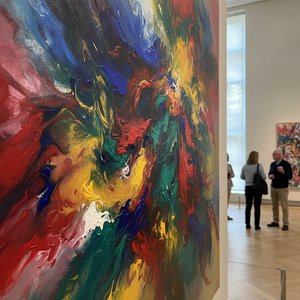
Explore the profound emotional depth of Lyrical Abstraction. Discover how masters like Raymond Parker used color and form to bridge Impressionism and Abstract Expressionism. Learn about this pivotal movement through our expert-led art history guide.


최신 미술 뉴스, 특별 혜택 및 인테리어 아이디어를 가장 먼저 만나보세요.
프로젝트에 대해 알려주시면 저희 미술 전문가들이 맞춤형 아트 제안 3가지를 전달해 드립니다.
당신만을 위한 맞춤형 옵션 3가지를 무료로 추천해 드립니다!


 미리보기
미리보기
 프린트 구매
 공유하기
공유하기 공유하기
공유하기
 상세 정보
상세 정보

 다운로드
다운로드
 유사 작품
유사 작품 X-레이
X-레이 슬라이드 쇼


 더 보기
더 보기









 유리 옵션은 110cm 미만 크기에서만 선택 가능합니다.


