x
 Oil On CanvasWallArtImpressionistic Precision
 188319th Century
 15.0 x 24.0 cm
 국립미술관 (National Gallery)




























작품의 원본 비율을 유지하는 미리 설정된 크기 중에서 선택하세요.

특정 프레임이나 공간에 맞도록 직접 크기를 입력할 수 있습니다. 선택하신 크기가 원본 이미지의 비율과 일치하지 않는 경우, 작품을 자르거나 추가적인 손으로 그린 요소를 사용하여 그림을 확장합니다. 제작 시작 전 승인을 위해 디지털 목업을 보내드립니다.
화면 미리 보기는 실제 자르기 또는 확장을 반영하지 않습니다. 최종 구성은 목업을 통해서만 정확하게 확인하실 수 있습니다.
맞춤 크기 제작도 가능하지만, 원본 비율을 유지하기 위해 사전 정의된 목록에서 크기를 선택하시는 것을 권장합니다.

Rainbow
복제본 크기
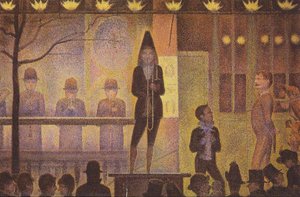
In the quietude of Georges Seurat’s 1883 masterpiece, "Rainbow," we find much more than a mere depiction of a tranquil riverside landscape. It is an immersive experience, a carefully orchestrated visual poem that captures the very essence of light as it dances across the French countryside. The scene unfolds with a profound sense of serenity, presenting three figures nestled within the lush greenery near a shimmering body of water. As they gaze upward, a celestial rainbow arches through the sky, acting as a bridge between the earthly landscape and the ethereal atmosphere. This is not just a moment frozen in time; it is an exploration of how the human eye perceives the world, inviting the viewer to step into a realm where nature and science converge in perfect harmony.
For the discerning collector or interior designer, this piece offers a unique emotional resonance. The composition possesses a rhythmic stability that brings a sense of peace and order to any space, making it an ideal focal point for rooms designed for contemplation or relaxation. The presence of the distant boat and the gentle ripples on the water add layers of depth, drawing the eye into a boundless horizon that suggests both infinite possibility and the quiet beauty of the present moment.
To look closely at "Rainbow" is to witness a revolution in artistic technique. Seurat, a pioneer of the Post-Impressionist movement, moved away from the spontaneous, blended brushstrokes of his Impressionist predecessors to embrace the rigorous, scientific method known as Pointillism (or chromoluminarism). Rather than mixing pigments on a palette, Seurat meticulously applied tiny, distinct dots of pure color directly onto the canvas. He relied on the principle of optical mixing, believing that when these adjacent dots of complementary hues are viewed from a distance, the viewer's eye performs the blending itself.
This painstaking process creates a luminous, vibrating effect that traditional painting cannot replicate. The surface of the work seems to shimmer with an internal light, mimicking the way sunlight scatters through atmospheric moisture to create a rainbow. This technique transforms the canvas into a complex mathematical exercise of color theory, where every dot is a deliberate choice intended to maximize brilliance and clarity. For those seeking a high-quality reproduction, this texture is what defines the piece, offering a tactile richness and a visual vitality that breathes life into modern interiors.
Painted during the Belle Époque, "Rainbow" reflects the profound intellectual ferment of late 19th-century France. It was an era defined by rapid scientific advancement and a burgeoning interest in the mechanics of human perception. Seurat’s work mirrors the spirit of his time, blending the observational beauty of nature with the analytical rigor of new psychological and optical theories. His dedication to capturing "optical truth" allowed him to transcend simple representation, turning a landscape into a study of light, energy, and structure.
Owning a reproduction of this work is an opportunity to possess a fragment of art history—a piece that stands at the pivotal junction between the fleeting impressions of the past and the structured abstractions of the modern era. Whether placed in a sunlit gallery or a sophisticated living space, "Rainbow" serves as a constant reminder of the beauty found when we look closely enough to see the light within the color.

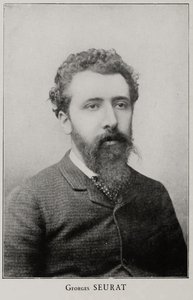
1859 - 1891 , 프랑스

Explore the profound revolution of Post-Impressionism. Delve into the history, techniques, and emotional depth of masters like Van Gogh and Seurat. Discover how to transform your space with museum-quality, hand-painted oil reproductions of these iconic masterpieces.

Delve into the transformative era of Post-Impressionism. From Seurat’s Pointillism to Cézanne’s structure, explore the history behind the masters. Most-Famous-Paintings.com provides museum-grade, hand-painted oil reproductions for the discerning art enthusiast and collector.

Explore the profound evolution of Post-Impressionist landscapes. From Van Gogh's emotional brushwork to Cézanne's structural mastery, discover how these visionaries redefined art history through color and form in this expert guide for fine art enthusiasts.


최신 미술 뉴스, 특별 혜택 및 인테리어 아이디어를 가장 먼저 만나보세요.
프로젝트에 대해 알려주시면 저희 미술 전문가들이 맞춤형 아트 제안 3가지를 전달해 드립니다.
당신만을 위한 맞춤형 옵션 3가지를 무료로 추천해 드립니다!


 미리보기
미리보기
 프린트 구매
 공유하기
공유하기 공유하기
공유하기
 상세 정보
상세 정보

 다운로드
다운로드
 유사 작품
유사 작품 X-레이
X-레이 슬라이드 쇼
 더 보기
더 보기









 유리 옵션은 110cm 미만 크기에서만 선택 가능합니다.