


x
 Oil On CanvasWallArtEarly Netherlandish Painting
 1520
1520 40.0 x 32.0 cm
 슈테델 미술관
빠른 제작과 다양한 마감 옵션을 제공하는 박물관 품질의 지클레이 또는 캔버스 프린트. ( 손으로 그린 그림 구매 이미지 구매)





























작품의 원본 비율을 유지하는 미리 설정된 크기 중에서 선택하세요.

특정 프레임이나 공간에 맞춰 직접 치수를 입력하실 수 있습니다. 선택하신 사이즈가 원본 이미지의 비율과 일치하지 않을 경우, 작품을 크롭(자르기)하거나 이미지를 대칭 또는 단색 채우기로 확장하여 제작합니다. 제작 시작 전, 최종 확인을 위해 디지털 목업이 전송됩니다.
화면상의 미리보기는 실제 크롭이나 확장 상태를 반영하지 않으므로, 최종 구도는 오직 목업을 통해서만 정확하게 확인하실 수 있습니다.
맞춤 사이즈 제작도 가능하지만, 원본 비율을 유지하기 위해서는 사전 정의된 목록에서 치수를 선택하시는 것을 권장합니다.

The Annunciation
복제본 크기
Gerard David's "The Annunciation," painted in 1520, is more than just a depiction of a biblical narrative; it’s a profound meditation on faith, humility, and the transformative power of divine grace. Measuring 40 x 32 cm, this intimate work offers a remarkably detailed glimpse into the artistic sensibilities of one of the most significant figures of the early Netherlandish Renaissance. David's meticulous attention to detail, combined with his masterful understanding of light and shadow – hallmarks of what would become known as “Flemish Light” – elevates this scene beyond mere illustration, transforming it into a deeply moving experience for the viewer.
The painting portrays the pivotal moment when the Archangel Gabriel appears to Mary to announce her impending role as the mother of Jesus. The composition is carefully structured to emphasize the reverence and solemnity of the event. Mary, kneeling in prayer with a staff – a symbol of protection and devotion – occupies the lower portion of the canvas, while Gabriel stands above her, radiating an aura of celestial authority. The inclusion of the bed in the background subtly references the Virgin’s purity and virginity, central tenets of Christian belief. The book on the right side, often interpreted as representing Mary's acceptance of God's will, adds another layer of symbolic richness to the scene. David’s use of perspective, though not entirely linear, creates a believable three-dimensional space, drawing the viewer into the heart of this sacred encounter.
David was a master of oil painting, employing a technique characterized by smooth gradations of color and meticulous detail. His brushwork is remarkably delicate, particularly evident in the rendering of Mary’s garments and the angel's flowing robes. Influenced by early Italian Renaissance artists like Masaccio and Donatello, David skillfully utilized *chiaroscuro* – the dramatic contrast between light and dark – to model forms and create a sense of volume. This technique, combined with his deep understanding of Flemish artistic traditions, resulted in a painting that is both technically brilliant and emotionally resonant. The use of rich pigments, including vibrant blues and reds, further enhances the visual impact of the work.
"The Annunciation" was created during a period of significant religious and intellectual ferment in Europe. The rise of humanism encouraged a renewed interest in classical antiquity, while the Protestant Reformation challenged established Catholic doctrines. Despite these turbulent times, David remained committed to producing works that celebrated Christian faith and morality. His paintings were highly sought after by wealthy patrons – including members of Bruges’ merchant elite – who commissioned them for private devotion. Following a period of relative obscurity in the 17th century, Gerard David's work was rediscovered and championed by 19th-century art historians, solidifying his place as a pivotal figure in the Northern Renaissance and ensuring that "The Annunciation" continues to inspire awe and contemplation today.


1450 - 1523 , 네덜란드

Explore the captivating world of Gerard David, a pivotal figure bridging late medieval artistry with the Early Renaissance. Discover his innovative techniques, religious masterpieces, and enduring legacy – a must-read for discerning art collectors.

Explore the strategic role of fine art reproductions in today's galleries. Discover how they cultivate collectors, enhance education & expand access to art. Expert insights for discerning buyers and professionals.

Explore the cultural significance of fine art reproduction & its appeal to discerning collectors. Discover how reproductions enhance aesthetics, build collections, and signal status. Expert insights & museum-quality artistry.
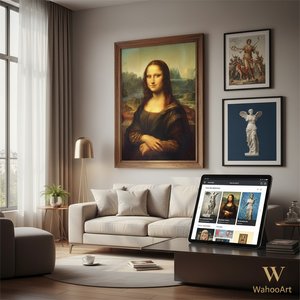
루브르 박물관 최고 걸작 25선을 만나보세요. 모나리자, 빈센트 반 고흐 등 유명 화가들의 숨겨진 이야기와 예술 기법을 탐험하고, 프랑스 미술의 정수를 느껴보세요. Most-Famous-Paintings.com에서 고품질 미술 복제품과 인테리어 아이디어를 찾아보세요.

Most-Famous-Paintings에서 유화의 세계를 탐험하세요! 역사와 기법부터 핸드메이드 제작 과정, 커스터마이징 옵션까지 심층적으로 다룹니다. 고품질 유화 재현과 수집 가이드로 예술 작품을 완벽하게 경험하세요.


최신 미술 뉴스, 특별 혜택 및 인테리어 아이디어를 가장 먼저 만나보세요.
프로젝트에 대해 알려주시면 저희 미술 전문가들이 맞춤형 아트 제안 3가지를 전달해 드립니다.
당신만을 위한 맞춤형 옵션 3가지를 무료로 추천해 드립니다!


 미리보기
미리보기
 공유하기
공유하기 공유하기
공유하기
 상세 정보
상세 정보

 다운로드
다운로드
 유사 작품
유사 작품 X-레이
X-레이 슬라이드 쇼
 더 보기
더 보기









 유리 옵션은 110cm 미만 크기에서만 선택 가능합니다.


