


x
빠른 제작과 다양한 마감 옵션을 제공하는 박물관 품질의 지클레이 또는 캔버스 프린트. ( 손으로 그린 그림 구매 이미지 구매)





























작품의 원본 비율을 유지하는 미리 설정된 크기 중에서 선택하세요.

특정 프레임이나 공간에 맞춰 직접 치수를 입력하실 수 있습니다. 선택하신 사이즈가 원본 이미지의 비율과 일치하지 않을 경우, 작품을 크롭(자르기)하거나 이미지를 대칭 또는 단색 채우기로 확장하여 제작합니다. 제작 시작 전, 최종 확인을 위해 디지털 목업이 전송됩니다.
화면상의 미리보기는 실제 크롭이나 확장 상태를 반영하지 않으므로, 최종 구도는 오직 목업을 통해서만 정확하게 확인하실 수 있습니다.
맞춤 사이즈 제작도 가능하지만, 원본 비율을 유지하기 위해서는 사전 정의된 목록에서 치수를 선택하시는 것을 권장합니다.

Self Portrait
복제본 크기
Giorgio de Chirico's 1960 “Self Portrait” is not merely a depiction of an aging artist; it’s a profound meditation on the anxieties and alienation that defined his entire oeuvre. The painting, executed in oil on canvas with a meticulous attention to Neo-Baroque detail, immediately confronts the viewer with a figure – a man distinguished by stark white hair, a vibrant red shirt, and a somber black vest – whose gaze is both direct and unsettlingly distant. This isn’t a portrait of vanity; it's an embodiment of existential unease, rendered with the precision and psychological depth that cemented de Chirico’s place as a pivotal figure in the development of Surrealism.
Born in Volos, Greece, to Italian parents, Giorgio de Chirico's artistic trajectory was shaped by a complex interplay of influences. His early training in Athens exposed him to traditional techniques, but it was his time in Munich that truly unleashed his visionary imagination. He absorbed the haunting landscapes of Arnold Böcklin and the symbolic imagery of Max Klinger, artists who explored the subconscious through meticulously crafted scenes. However, de Chirico transcended mere imitation; he synthesized these influences with a deeply philosophical outlook, informed by the writings of Nietzsche, Schopenhauer, and Weininger. This fusion resulted in a style characterized by unsettling juxtapositions, dreamlike settings, and a pervasive sense of melancholy – hallmarks of his Neo-Baroque approach.
“Self Portrait” is laden with symbolic weight, reflecting de Chirico’s preoccupation with themes of isolation, memory, and the subjective nature of reality. The dark background, devoid of any recognizable features, represents the unconscious mind – a realm where logic dissolves and anxieties take form. The man's serious expression suggests a burden of knowledge, perhaps a recognition of the futility of human endeavor. The red shirt, often associated with passion and vitality, here seems muted, hinting at a suppressed or lost desire. The overall effect is one of profound contemplation, inviting the viewer to confront their own anxieties about existence.
Painted in 1960, towards the end of his career, this self-portrait represents a culmination of de Chirico’s artistic journey. The painting emerged from a period where he was increasingly disillusioned with the burgeoning Surrealist movement, finding its interpretations too simplistic and lacking the intellectual rigor he demanded. Yet, it remains firmly rooted in the anxieties of the early 20th century – a time marked by rapid industrialization, social upheaval, and a growing sense of spiritual emptiness. De Chirico’s work serves as a poignant reminder of this era's profound psychological impact, offering a timeless exploration of the human condition.
Most-Famous-Paintings offers meticulously hand-painted reproductions of Giorgio de Chirico’s “Self Portrait,” capturing the essence of this iconic work with unparalleled fidelity. Each reproduction is created by skilled artisans, ensuring that every brushstroke and nuance of color faithfully replicates the original painting. Whether for a private collection or interior design project, this reproduction provides an authentic connection to one of the 20th century’s most significant artistic voices – a powerful statement of introspection and a testament to de Chirico's enduring legacy.

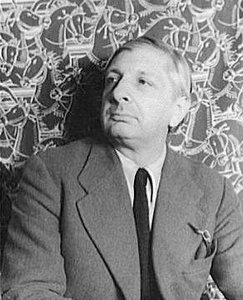
1888 - 1978 , 그리스

Explore the profound elegance of Baroque Classicism. Discover how 17th-century masters synthesized dramatic emotion with classical order through the lens of the Counter-Reformation and the works of legends like Carlo Maratta and Andrea Sacchi.


최신 미술 뉴스, 특별 혜택 및 인테리어 아이디어를 가장 먼저 만나보세요.
프로젝트에 대해 알려주시면 저희 미술 전문가들이 맞춤형 아트 제안 3가지를 전달해 드립니다.
당신만을 위한 맞춤형 옵션 3가지를 무료로 추천해 드립니다!


 미리보기
미리보기
 공유하기
공유하기 공유하기
공유하기
 상세 정보
상세 정보

 다운로드
다운로드
 유사 작품
유사 작품 X-레이
X-레이 슬라이드 쇼

 더 보기
더 보기









 유리 옵션은 110cm 미만 크기에서만 선택 가능합니다.


