


x
온라인 미리보기보다 훨씬 뛰어난 품질의 고해상도 디지털 이미지를 구매해 보세요.
각 파일은 사내 전문가가 고급 도구와 숙련된 수동 리터칭 기술을 사용하여 세심하게 준비합니다. 우리는 모든 이미지가 탁월한 선명도, 정확한 색상 재현력, 그리고 미세한 디테일까지 완벽하게 갖추도록 보장합니다.
최종 파일은 전문적인 편집 및 인쇄 환경에서 즉시 사용할 수 있도록 최적화되어 72시간 이내에 이메일로 발송됩니다. 이는 세계적인 디자인 스튜디오, 출판사 및 갤러리가 신뢰하는 것과 동일한 품질입니다.
개인 소장 및 전시, 인쇄, 창작 프로젝트를 위한 고해상도 파일을 다운로드하세요. ( 프린트 구매 손으로 그린 그림 구매)
Most-Famous-Paintings.com를 선택하시면 단순히 이미지를 받는 것을 넘어, 정밀한 보정 과정을 거친 전문적인 디지털 예술 작품을 만나보실 수 있습니다. 모든 작품에는 만족 보장 서비스가 함께 제공되며, 주문 시 다음과 같은 사항들이 자동으로 포함됩니다:

주문 후 72시간 이내에 고해상도 디지털 이미지 파일이 이메일로 발송되며, 즉시 사용하실 수 있습니다.

귀하의 작품은 고급 AI 도구와 수동 편집 과정을 거쳐 전문적으로 최적화되며, 이를 통해 디테일과 선명도, 색상의 정확도를 극대화합니다.

파일을 실수로 삭제하거나 분실하셨나요? 걱정 마세요. 언제든 무료로 다시 보내드립니다.

관세나 부가세, 배송비 부담 없이 작품을 즉시 감상하세요 - 디지털 다운로드는 언제나 면세 혜택이 적용됩니다.

전문적인 도구와 색상 관리 시스템을 통해 디지털 이미지가 원본의 색상을 최대한 정확하게 구현하도록 보장합니다.

구매하신 디지털 이미지에 만족하지 못하실 경우, 60일 이내에 수정 또는 100% 환불을 진행해 드립니다 - 어떠한 문의도 필요 없습니다.

만족하지 못하셨나요? 디지털 파일을 수령하신 후 60일 이내라면 별도의 이유를 밝힐 필요 없이 전액 환불해 드립니다.

이미지 3매 구매 시 10% 할인 - 5매 구매 시 15% 할인 - 10매 이상 구매 시 20% 할인. 크리에이티브 프로젝트, 갤러리, 에이전시에 매우 유용합니다.
Giuseppe Arcimboldo (1527-1593) wasn't merely a painter; he was an architect of perception, a master illusionist who transformed the mundane into the magnificent. His "Nature Studies," particularly those featuring vibrant depictions of flora and fauna interwoven to create arresting portraits, stand as testaments to his singular vision and a profound engagement with the intellectual currents of the late Renaissance. These aren’t simple still lifes; they are carefully constructed allegories, brimming with symbolism that speaks volumes about the era's fascination with nature, humanism, and the delicate balance between the earthly and the divine.
Born in Milan, Arcimboldo initially honed his skills as a court painter for the Habsburg emperors in Vienna and Prague. However, it was during his time at Rudolf II’s court in Prague that he truly blossomed, developing his signature style – composite portraits built entirely from meticulously arranged fruits, vegetables, flowers, and even animal parts. This technique wasn't born of mere whimsy; it reflected a deep understanding of Renaissance philosophy, particularly the Neoplatonic belief that all things are interconnected through nature’s divine order. The emperor himself, a renowned collector of curiosities and an avid patron of the arts and sciences, provided the perfect environment for Arcimboldo's inventive spirit to flourish.
Arcimboldo’s technique was deceptively complex. He didn’t simply glue objects onto a canvas; he painstakingly sculpted them, layering textures and colors to create an illusion of depth and volume. The use of watercolor on parchment – a medium known for its delicate transparency and ability to capture subtle nuances of color – further enhanced the ethereal quality of his works. The careful selection of each element—the precise arrangement of leaves, the ripeness of the fruit, the angle of a flower—was deliberate, contributing to the overall composition’s harmony and conveying specific meanings. The portraits themselves are remarkably detailed, inviting close inspection and revealing an astonishing level of technical skill.
Consider, for example, “The Librarian” (1591), where Arcimboldo transforms a man's head into a towering stack of books, scrolls, and writing implements. Each element—the spectacles perched on the nose, the quill pen held aloft—is not merely decorative but symbolic. The abundance of books represents knowledge and learning, while the inclusion of various instruments (a lute, a trumpet) suggests musicality and intellectual pursuits. Even seemingly random objects, like the curtain forming the man’s beard, carry significance, referencing the organized structure of a library.
Arcimboldo's work is rich in symbolism, reflecting the core values of the Renaissance. The emphasis on nature—a central theme throughout his oeuvre—mirrors the humanist belief that humans are inherently connected to the natural world. The use of seasonal elements – fruits, vegetables, and flowers – speaks to the cyclical rhythms of life and death, mirroring the Neoplatonic concept of reincarnation. Furthermore, the composite portraits themselves can be interpreted as allegories for the emperor’s reign, embodying his wisdom, power, and connection to the natural order.
The choice of specific objects within each portrait often held particular significance. For instance, in “Vertumnus,” a painting depicting the Roman god of fertility and seasons, Arcimboldo employed an astonishing array of fruits and vegetables—pears, apples, grapes, pumpkins—to create a vibrant representation of Rudolf II’s power and dominion over nature. The inclusion of these elements wasn't arbitrary; it was carefully calculated to convey specific messages about the emperor’s authority and his connection to the natural world.
Giuseppe Arcimboldo’s “Nature Studies” remain captivating works of art, offering a unique glimpse into the intellectual and artistic landscape of the Renaissance. His innovative technique, combined with his profound understanding of symbolism and humanist ideals, cemented his place as one of the most original and influential artists of his time. Today, these remarkable portraits continue to inspire awe and wonder, reminding us of the power of art to transform our perception of reality and reveal the hidden beauty within the ordinary.

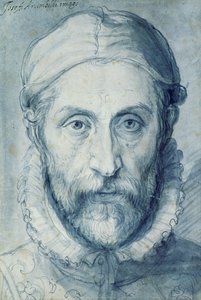
1527 - 1593 , 이탈리아


최신 미술 뉴스, 특별 혜택 및 인테리어 아이디어를 가장 먼저 만나보세요.
프로젝트에 대해 알려주시면 저희 미술 전문가들이 맞춤형 아트 제안 3가지를 전달해 드립니다.
당신만을 위한 맞춤형 옵션 3가지를 무료로 추천해 드립니다!


 미리보기
미리보기
 공유하기
공유하기 공유하기
공유하기
 상세 정보
상세 정보

 다운로드
다운로드
 유사 작품
유사 작품 X-레이
X-레이 슬라이드 쇼

 더 보기
더 보기


