x

 Acrylic On CanvasWallArtArcimboldo Mannerism
 1572
1572 92.0 x 71.0 cm
 덴버 미술관




























작품의 원본 비율을 유지하는 미리 설정된 크기 중에서 선택하세요.

특정 프레임이나 공간에 맞도록 직접 크기를 입력할 수 있습니다. 선택하신 크기가 원본 이미지의 비율과 일치하지 않는 경우, 작품을 자르거나 추가적인 손으로 그린 요소를 사용하여 그림을 확장합니다. 제작 시작 전 승인을 위해 디지털 목업을 보내드립니다.
화면 미리 보기는 실제 자르기 또는 확장을 반영하지 않습니다. 최종 구성은 목업을 통해서만 정확하게 확인하실 수 있습니다.
맞춤 크기 제작도 가능하지만, 원본 비율을 유지하기 위해 사전 정의된 목록에서 크기를 선택하시는 것을 권장합니다.

Summer
복제본 크기
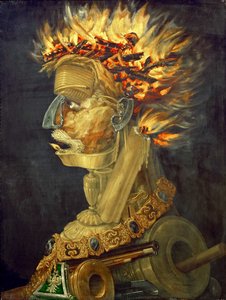
Giuseppe Arcimboldo’s “Summer,” painted in 1572, isn't merely a portrait; it’s an audacious declaration of the Renaissance spirit – a vibrant, layered allegory woven from the bounty of nature itself. Born in Milan during a period of intense intellectual and artistic ferment, Arcimboldo was a master of transforming the mundane into the magnificent, a skill honed initially through his work adorning the cathedrals of his native city. “Summer” represents a pivotal shift in his career, moving beyond traditional courtly portraits to embrace a uniquely personal and symbolic style that captivated the eye of Emperor Rudolf II, who commissioned this extraordinary piece. The painting immediately arrests the viewer with its sheer exuberance: a human face constructed entirely from an astonishing array of fruits, vegetables, flowers, and foliage – a testament to Arcimboldo’s meticulous observation and artistic ingenuity.
The composition is a carefully orchestrated dance of seasonal elements. The face itself is dominated by the warm hues of summer produce: blushing peaches form the cheeks, plump cherries adorn the lips, and a vibrant orange nose hints at the sun’s warmth. Apple slices create the eyes, conveying an expression of gentle curiosity, while grapes meticulously arranged around the mouth suggest both sweetness and abundance. Beyond the face, a cascade of greenery – leaves, vines, and blossoms – frames the figure, creating a sense of enveloping vitality. The inclusion of elements like wheat stalks and ears of corn subtly allude to harvest and prosperity, anchoring the portrait within the rhythms of the natural world. Notably, Arcimboldo’s choice isn't random; each element carries symbolic weight, reflecting Renaissance ideals of harmony between humanity and nature.
Arcimboldo’s work is steeped in symbolism, drawing heavily from the philosophical currents of the time. The use of fruits and vegetables wasn’t simply decorative; it was a deliberate strategy to communicate complex ideas about power, mortality, and the cyclical nature of life. The abundance depicted in “Summer” could be interpreted as a celebration of Rudolf II's reign – a ruler who embraced both luxury and intellectual pursuits. Furthermore, the careful arrangement of these natural components mirrors the concept of *memento mori*, reminding viewers of their own mortality while simultaneously celebrating the beauty and transience of life. The inclusion of elements like the bird perched atop the head adds another layer of interpretation, perhaps representing wisdom or divine guidance.
“Summer” is executed in oil paint on canvas, demonstrating Arcimboldo’s mastery of detail and his ability to render textures with remarkable precision. The meticulous layering of fruits and vegetables creates a sense of depth and volume, while the vibrant colors contribute to the painting's overall dynamism. The piece stands as a testament to Arcimboldo’s innovative approach to portraiture, challenging conventional notions of representation and pushing the boundaries of artistic expression. It is now housed in the Denver Art Museum, where it continues to fascinate visitors with its ingenious construction and profound symbolism. Reproductions of this iconic work offer a chance to experience the magic of Arcimboldo's vision firsthand, bringing a touch of Renaissance exuberance into any space.
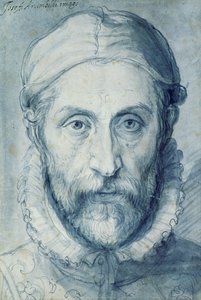
1527 - 1593 , 이탈리아

Explore 10 iconic portrait paintings – from Mona Lisa to Van Gogh’s self-portraits. Discover the stories behind these masterpieces, artistic techniques & find museum-quality art reproductions for your home at Most-Famous-Paintings.com.
보티첼리 명작 25선을 만나보세요. 르네상스 시대의 아름다움과 신화가 담긴 작품들을 감상하고, 베누스의 탄생부터 봄까지 거장의 예술 세계를 탐험하세요. Most-Famous-Paintings에서 고품질 미술 복제 및 인테리어 액자를 만나보실 수 있습니다. 지금 바로 컬렉션을 확인하세요!
뮌헨 알테 피나코텍의 명작 25선을 만나보세요. 르네상스부터 바로크까지, 루벤스, 렘브란트 등 거장들의 숨겨진 이야기와 예술 기법을 탐험합니다. Most-Famous-Paintings에서 고품질 복제화로 당신의 공간에 예술을 더하세요! 지금 컬렉션을 살펴보세요.
초기 르네상스 미술의 정수를 담은 명작 10! 보티첼리, 다비드 등 거장의 숨결을 느껴보세요. 예술 작품 탄생 비화와 아름다운 색채를 탐구하고, Most-Famous-Paintings.com에서 고품질 아트 프린트 & 인테리어 영감을 얻으세요. 지금 바로 온라인 컬렉션을 만나보세요!
폴 세잔의 시대를 초월하는 명작 25점을 만나보세요. 인상주의를 넘어 후기 인상주의를 개척한 화가의 예술 세계와 정물화, 풍경화 속 숨겨진 이야기를 Most-Famous-Paintings에서 감상하세요. 고품질 아트 프린트와 캔버스 액자로 공간에 예술을 더해보세요! 지금 바로 컬렉션을 탐험하세요.


최신 미술 뉴스, 특별 혜택 및 인테리어 아이디어를 가장 먼저 만나보세요.
프로젝트에 대해 알려주시면 저희 미술 전문가들이 맞춤형 아트 제안 3가지를 전달해 드립니다.
당신만을 위한 맞춤형 옵션 3가지를 무료로 추천해 드립니다!


 프린트 구매하기
 공유하기
공유하기 공유하기
공유하기
 상세 정보
상세 정보

 다운로드
다운로드
 유사 작품
유사 작품 X-레이
X-레이 슬라이드 쇼
 더 보기
더 보기









 유리 옵션은 110cm 미만 크기에서만 선택 가능합니다.