x





























작품의 원본 비율을 유지하는 미리 설정된 크기 중에서 선택하세요.

특정 프레임이나 공간에 맞도록 직접 크기를 입력할 수 있습니다. 선택하신 크기가 원본 이미지의 비율과 일치하지 않는 경우, 작품을 자르거나 추가적인 손으로 그린 요소를 사용하여 그림을 확장합니다. 제작 시작 전 승인을 위해 디지털 목업을 보내드립니다.
화면 미리 보기는 실제 자르기 또는 확장을 반영하지 않습니다. 최종 구성은 목업을 통해서만 정확하게 확인하실 수 있습니다.
맞춤 크기 제작도 가능하지만, 원본 비율을 유지하기 위해 사전 정의된 목록에서 크기를 선택하시는 것을 권장합니다.

danae
복제본 크기
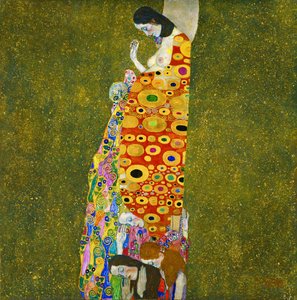
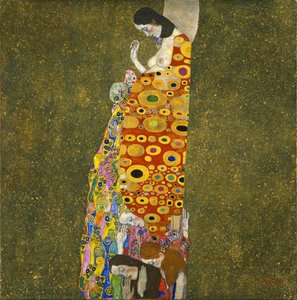
In the heart of the Viennese Secession movement, few works radiate as much intoxicating warmth and mythic power as Gustav Klimt’s Danaë. Painted between 1907 and 1908, this masterpiece serves as a breathtaking intersection of classical mythology and the opulent, sensory-driven aesthetic of Art Nouveau. The canvas captures a moment of profound transformation, where the boundaries between the divine and the mortal dissolve into a shimmering sea of gold. As viewers gaze upon the reclining figure, they are not merely observing a scene from antiquity, but are instead invited into a private, ecstatic encounter that feels both ancient and startlingly modern.
The subject matter draws from the Greek myth of Danaë, the daughter of King Acrisius, who was imprisoned in a bronze tower to prevent a prophecy of her downfall. Unable to reach her through physical means, Zeus—the king of the gods—descended upon her in the form of a torrential golden rain. Klimt captures the precise instant of this celestial visitation. The painting is famously erotic, yet it transcends simple provocation through its masterful use of symbolism. The stream of golden coins and light flowing between Danaë’s thighs represents the divine impregnation, turning a moment of biological conception into a cosmic event of light and wealth.
Technically, Danaë is a triumph of Klimt’s "Golden Phase." The artist employs a sophisticated manipulation of color and texture that mimics the effect of precious metals. While much of his most famous work utilized actual gold leaf, here, the illusion of luminosity is achieved through meticulous oil painting techniques that create an ethereal, multidimensional glow. This shimmering surface does more than decorate; it symbolizes immortality and the divine grace inherent in the myth. The composition is a labyrinth of intricate geometric patterns and stylized floral motifs, heavily influenced by Byzantine mosaics and Eastern aesthetics, which wrap around the central figure like a protective, ornamental cocoon.
The visual language is one of deliberate contrast. Amidst the overwhelming brilliance of the gold, Klimt introduces deep, royal purples and soft, fleshy tones that ground the ethereal scene in human sensation. The way the light catches the curves of Danaë’s body creates a sense of weight and presence, making her vulnerability palpable. For the collector or interior designer, this interplay of texture and light offers an unparalleled depth; the painting possesses a kinetic quality, appearing to shift and glow depending on the ambient lighting of a room, much like the very gold rain it depicts.
Beyond its historical significance, Danaë carries an emotional weight that continues to captivate contemporary audiences. It is a painting about desire, fertility, and the unexpected arrival of fate. There is a profound sense of intimacy in the way Danaë lies in a fetal-like, yet receptive, pose—a moment of total surrender to a force greater than herself. This tension between the heavy, ornamental surroundings and the soft, vulnerable human form creates a narrative pull that is impossible to ignore.
For those seeking to curate a space of luxury and intellectual depth, a high-quality reproduction of this work serves as a magnificent focal point. It brings with it an atmosphere of opulence and a conversation piece rooted in the heights of European art history. Whether placed in a grand salon or a sophisticated private study, Danaë acts as a window into a world where myth and reality are inextricably linked by a single, golden drop of light.
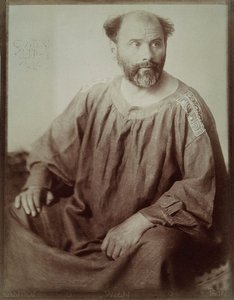
1862 - 1918 , 오스트리아

Explore the profound impact of the Vienna Secession movement. Discover how visionaries like Gustav Klimt revolutionized modern art through symbolism, gold leaf, and the concept of Gesamtkunstwerk in this expert-led historical guide.


최신 미술 뉴스, 특별 혜택 및 인테리어 아이디어를 가장 먼저 만나보세요.
프로젝트에 대해 알려주시면 저희 미술 전문가들이 맞춤형 아트 제안 3가지를 전달해 드립니다.
당신만을 위한 맞춤형 옵션 3가지를 무료로 추천해 드립니다!


 미리보기
미리보기
 프린트 구매
 공유하기
공유하기 공유하기
공유하기
 상세 정보
상세 정보

 다운로드
다운로드
 유사 작품
유사 작품 X-레이
X-레이 슬라이드 쇼

 더 보기
더 보기









 유리 옵션은 110cm 미만 크기에서만 선택 가능합니다.