


x
작품의 원본 비율을 유지하는 미리 설정된 크기 중에서 선택하세요.

특정 프레임이나 공간에 맞도록 직접 크기를 입력할 수 있습니다. 선택하신 크기가 원본 이미지의 비율과 일치하지 않는 경우, 작품을 자르거나 추가적인 손으로 그린 요소를 사용하여 그림을 확장합니다. 제작 시작 전 승인을 위해 디지털 목업을 보내드립니다.
화면 미리 보기는 실제 자르기 또는 확장을 반영하지 않습니다. 최종 구성은 목업을 통해서만 정확하게 확인하실 수 있습니다.
맞춤 크기 제작도 가능하지만, 원본 비율을 유지하기 위해 사전 정의된 목록에서 크기를 선택하시는 것을 권장합니다.

Delight at Table
복제본 크기
In the heart of the Vienna Secession movement, few works capture the tender intersection of intimacy and opulence quite like Gustav Klimt’s “Delight at Table.” Completed in 1906, this masterpiece serves as a luminous window into a world of idealized domesticity. The scene unfolds with a profound sense of peace, centering on a woman seated at a dining table, her focus entirely devoted to the gentle act of feeding her infant son. This maternal connection is framed by the presence of two men engaged in quiet conversation, creating a tableau that feels both monumental and deeply personal. For the discerning collector or interior designer, this painting offers more than mere decoration; it provides an emotional anchor, inviting a sense of warmth, stability, and timeless grace into any curated space.
The visual language of the piece is a breathtaking testament to Klimt’s mastery of the Art Nouveau aesthetic. Moving away from the rigid constraints of academic realism, Klimt embraced a revolutionary approach where organic forms and geometric patterns dance across the canvas. The painting is celebrated for its extraordinary use of texture and light, achieved through the painstaking process of granulation—the application of minute metallic particles to create a shimmering, ethereal effect. This technique allows the surface to catch the light, making the artwork appear as though it is radiating from within. Such intricate detail ensures that whether viewed in person or through a high-quality reproduction, the painting retains its captivating, multidimensional allure.
Beyond its surface beauty, “Delight at Table” is steeped in the symbolic richness characteristic of the turn-of-the-century Austro-Hungarian society. Every element, from the delicate floral motifs to the heavy use of gold leaf, speaks to themes of fertility, continuity, and the sanctity of the family unit. Klimt utilizes these decorative elements not merely as ornament, but as a way to elevate a simple meal into a sacred ritual. The interplay between the soft, human forms of the subjects and the rigid, glittering patterns of their surroundings creates a tension that is both sensual and spiritual, reflecting the Secessionist rebellion against the mundane and the pursuit of a higher, more aesthetic truth.
For those looking to infuse a room with historical depth and artistic prestige, this work stands as an unparalleled choice. It embodies a period of intense intellectual and artistic ferment, where the boundaries of modern art were being redrawn. To possess a reproduction of such a significant piece is to bring a fragment of Viennese history into the contemporary home—a piece that inspires contemplation, celebrates the beauty of human connection, and serves as a sophisticated focal point for any elegant interior design scheme.

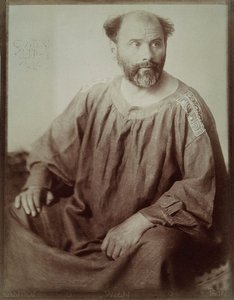
1862 - 1918 , 오스트리아

Explore the profound impact of the Vienna Secession movement. Discover how visionaries like Gustav Klimt revolutionized modern art through symbolism, gold leaf, and the concept of Gesamtkunstwerk in this expert-led historical guide.

Explore the profound history of gold leaf and gilding in Byzantine and Renaissance art. Discover how this sacred technique transformed religious iconography into celestial phenomena through light, symbolism, and unparalleled craftsmanship.

Immerse yourself in the flowing elegance of Art Nouveau. Discover the stories behind 10 legendary masterpieces by icons like Klimt and Mucha. Perfect for art lovers seeking museum-quality reproductions and timeless decor inspiration. Explore the full collection online at Most-Famous-Paintings.com.


최신 미술 뉴스, 특별 혜택 및 인테리어 아이디어를 가장 먼저 만나보세요.
프로젝트에 대해 알려주시면 저희 미술 전문가들이 맞춤형 아트 제안 3가지를 전달해 드립니다.
당신만을 위한 맞춤형 옵션 3가지를 무료로 추천해 드립니다!


 프린트 구매
 공유하기
공유하기 공유하기
공유하기
 상세 정보
상세 정보

 다운로드
다운로드
 유사 작품
유사 작품 슬라이드 쇼

 더 보기
더 보기






































 유리 옵션은 110cm 미만 크기에서만 선택 가능합니다.


