


x
빠른 제작과 다양한 마감 옵션을 제공하는 박물관 품질의 지클레이 또는 캔버스 프린트. ( 손으로 그린 그림 구매 이미지 구매)





























작품의 원본 비율을 유지하는 미리 설정된 크기 중에서 선택하세요.

특정 프레임이나 공간에 맞춰 직접 치수를 입력하실 수 있습니다. 선택하신 사이즈가 원본 이미지의 비율과 일치하지 않을 경우, 작품을 크롭(자르기)하거나 이미지를 대칭 또는 단색 채우기로 확장하여 제작합니다. 제작 시작 전, 최종 확인을 위해 디지털 목업이 전송됩니다.
화면상의 미리보기는 실제 크롭이나 확장 상태를 반영하지 않으므로, 최종 구도는 오직 목업을 통해서만 정확하게 확인하실 수 있습니다.
맞춤 사이즈 제작도 가능하지만, 원본 비율을 유지하기 위해서는 사전 정의된 목록에서 치수를 선택하시는 것을 권장합니다.

Hope I
복제본 크기
Gustav Klimt's “Hope I,” painted in 1903, isn’t merely a depiction of a pregnant woman; it’s an immersive experience, a potent distillation of anxieties, desires, and the cyclical nature of life itself. This oil painting, now residing within the National Gallery of Canada, stands as a cornerstone of Klimt's mature style – a period characterized by opulent decoration, intricate patterns, and a daring exploration of the human psyche. It’s a work that simultaneously draws you in with its beauty and unsettles you with its underlying currents of mortality and uncertainty.
Klimt, a pivotal figure in Vienna Secession, rejected the rigid constraints of academic art, forging his own path toward a more expressive and emotionally charged aesthetic. His background, steeped in his father’s gold engraving – a profession that instilled within him an appreciation for texture, light, and the transformative power of precious materials – profoundly shaped his artistic vision. This influence is immediately apparent in “Hope I,” where Klimt masterfully employs gold leaf to create a shimmering, almost ethereal atmosphere, elevating the subject matter beyond simple representation.
“Hope I” is undeniably a product of Art Nouveau – a movement that sought to liberate art from its historical shackles and embrace the organic forms of nature. The sinuous curves, flowing lines, and decorative elements are hallmarks of this style, evident in the woman’s draped garments and the swirling background figures. However, Klimt doesn't simply mimic Art Nouveau; he subverts it, injecting a layer of psychological complexity rarely found within the movement’s more overtly celebratory works. The painting’s composition is deliberately unsettling, creating a visual tension between beauty and decay.
The central figure, a pregnant woman bathed in golden light, dominates the canvas. Her direct gaze engages the viewer immediately, conveying both vulnerability and strength. Her nudity isn't presented as overtly erotic; rather, it’s imbued with a sense of profound dignity and resilience. The surrounding figures – a skeletal man, sickly individuals, and a monstrous sea creature – represent the forces of death, disease, and madness that threaten to extinguish hope. This juxtaposition creates a powerful allegory for the precariousness of existence and the constant struggle against mortality.
The symbolism within “Hope I” is layered and deliberately ambiguous. The pregnant woman, despite being surrounded by symbols of decay, embodies hope itself – a promise of new life amidst the encroaching darkness. The skull above her head serves as a stark reminder of mortality, while the sea monster represents primal fears and anxieties. The forget-me-not flowers adorning her hair are traditionally associated with remembrance and loyalty, suggesting a connection to the past and a yearning for continuity.
Interestingly, Klimt’s personal life may have informed this work. The artist's son, Otto Zimmermann, tragically died in infancy, casting a shadow over his creative output. Some art historians believe that “Hope I” reflects this loss – a poignant meditation on the fragility of life and the enduring power of hope in the face of grief. The sketch for the painting originally featured a male figure comforting the pregnant woman; however, Klimt ultimately replaced him with the skull, suggesting a shift towards themes of mortality and decay.
Experience the captivating beauty and profound symbolism of Gustav Klimt’s “Hope I” through a meticulously crafted reproduction from Most-Famous-Paintings.com. Our skilled artists utilize high-quality materials to faithfully recreate every detail of this iconic masterpiece, ensuring that you own a stunning work of art that captures the essence of Klimt's genius. Bring the drama and emotional depth of "Hope I" into your home or office – a testament to the enduring power of art.

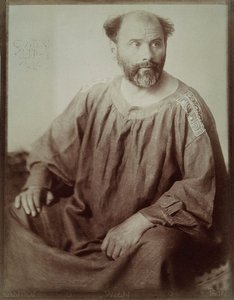
1862 - 1918 , 오스트리아

Explore the profound impact of the Vienna Secession movement. Discover how visionaries like Gustav Klimt revolutionized modern art through symbolism, gold leaf, and the concept of Gesamtkunstwerk in this expert-led historical guide.


최신 미술 뉴스, 특별 혜택 및 인테리어 아이디어를 가장 먼저 만나보세요.
프로젝트에 대해 알려주시면 저희 미술 전문가들이 맞춤형 아트 제안 3가지를 전달해 드립니다.
당신만을 위한 맞춤형 옵션 3가지를 무료로 추천해 드립니다!


 미리보기
미리보기
 공유하기
공유하기 공유하기
공유하기
 상세 정보
상세 정보

 다운로드
다운로드
 유사 작품
유사 작품 X-레이
X-레이 슬라이드 쇼

 더 보기
더 보기









 유리 옵션은 110cm 미만 크기에서만 선택 가능합니다.


