


x
온라인 미리보기보다 훨씬 뛰어난 품질의 고해상도 디지털 이미지를 구매해 보세요.
각 파일은 사내 전문가가 고급 도구와 숙련된 수동 리터칭 기술을 사용하여 세심하게 준비합니다. 우리는 모든 이미지가 탁월한 선명도, 정확한 색상 재현력, 그리고 미세한 디테일까지 완벽하게 갖추도록 보장합니다.
최종 파일은 전문적인 편집 및 인쇄 환경에서 즉시 사용할 수 있도록 최적화되어 72시간 이내에 이메일로 발송됩니다. 이는 세계적인 디자인 스튜디오, 출판사 및 갤러리가 신뢰하는 것과 동일한 품질입니다.
개인 소장 및 전시, 인쇄, 창작 프로젝트를 위한 고해상도 파일을 다운로드하세요. ( 프린트 구매 손으로 그린 그림 구매)
Most-Famous-Paintings.com를 선택하시면 단순히 이미지를 받는 것을 넘어, 정밀한 보정 과정을 거친 전문적인 디지털 예술 작품을 만나보실 수 있습니다. 모든 작품에는 만족 보장 서비스가 함께 제공되며, 주문 시 다음과 같은 사항들이 자동으로 포함됩니다:

주문 후 72시간 이내에 고해상도 디지털 이미지 파일이 이메일로 발송되며, 즉시 사용하실 수 있습니다.

귀하의 작품은 고급 AI 도구와 수동 편집 과정을 거쳐 전문적으로 최적화되며, 이를 통해 디테일과 선명도, 색상의 정확도를 극대화합니다.

파일을 실수로 삭제하거나 분실하셨나요? 걱정 마세요. 언제든 무료로 다시 보내드립니다.

관세나 부가세, 배송비 부담 없이 작품을 즉시 감상하세요 - 디지털 다운로드는 언제나 면세 혜택이 적용됩니다.

전문적인 도구와 색상 관리 시스템을 통해 디지털 이미지가 원본의 색상을 최대한 정확하게 구현하도록 보장합니다.

구매하신 디지털 이미지에 만족하지 못하실 경우, 60일 이내에 수정 또는 100% 환불을 진행해 드립니다 - 어떠한 문의도 필요 없습니다.

만족하지 못하셨나요? 디지털 파일을 수령하신 후 60일 이내라면 별도의 이유를 밝힐 필요 없이 전액 환불해 드립니다.

이미지 3매 구매 시 10% 할인 - 5매 구매 시 15% 할인 - 10매 이상 구매 시 20% 할인. 크리에이티브 프로젝트, 갤러리, 에이전시에 매우 유용합니다.
Gustav Klimt's "Philosophy," a preparatory study for the monumental ceiling painting of the same name in Vienna’s University, is far more than just a sketch; it’s a concentrated microcosm of the artist’s evolving Symbolist vision and a profound meditation on knowledge, mortality, and the human condition. This black-and-white image offers a tantalizing glimpse into Klimt's creative process – a chaotic yet meticulously rendered exploration of figures adrift in a swirling vortex of thought. The study itself is imbued with an immediate sense of urgency and intellectual intensity, hinting at the grander work it would eventually become.
The composition immediately commands attention. A central, almost ethereal figure dominates the upper portion, radiating a subtle halo – a potent symbol suggesting wisdom or perhaps even divine inspiration. Surrounding this core are a diverse array of individuals: some reclining in languid poses, others standing with contemplative gazes, and still others engaged in what appears to be animated discussion. The inclusion of two bicycles is an unexpected detail, injecting a note of modernity and challenging the viewer to consider how Klimt was grappling with the changing landscape of his era. These aren’t simply decorative elements; they could represent the tension between tradition and progress, or perhaps the fleeting nature of experience in a rapidly modernizing world.
Klimt's masterful use of charcoal and pencil is immediately apparent. The lines are not clean or precise; instead, they possess a raw energy, a sense of urgency captured through expressive gestural strokes. Varying line weights create a dynamic interplay of light and shadow, lending depth and volume to the figures while simultaneously contributing to the overall feeling of movement and disorientation. The texture is deliberately rough – a deliberate rejection of academic smoothness—reflecting the preliminary nature of the study but also hinting at Klimt’s desire to break free from traditional artistic constraints. The diffused lighting suggests a studio setting, emphasizing the intimacy of this creative exploration.
The flattened perspective, devoid of a clear vanishing point, further enhances the sense of unease and psychological depth. Rather than offering a realistic representation of space, Klimt prioritizes emotional impact. Overlapping forms create a complex visual tapestry, drawing the eye through the composition and inviting contemplation. The ambiguity of the scene encourages viewers to project their own interpretations onto the figures and their interactions – a hallmark of Symbolist art.
“Philosophy” is inextricably linked to Klimt’s involvement with the Vienna Secession, an avant-garde movement that challenged the conservative artistic establishment. The original ceiling painting, commissioned for the University of Vienna in 1900, was met with considerable controversy due to its unconventional imagery and perceived challenge to established academic thought. The study itself reflects this tension – a visual manifestation of Klimt’s willingness to push boundaries and engage with complex philosophical ideas.
Further research reveals that Klimt's work on the University ceiling paintings was deeply influenced by Schopenhauer’s philosophy, particularly his pessimistic view of human existence. The figures in “Philosophy” can be interpreted as representing different stages of life – from youthful exuberance to decay and oblivion – mirroring this philosophical framework. The inclusion of the sphinx-like figure at the center further reinforces this connection, suggesting a quest for ultimate knowledge or understanding amidst the chaos of the world. It’s a powerful statement about the limitations of human reason and the enduring mysteries of existence.
Most-Famous-Paintings is proud to offer meticulously hand-painted reproductions of Gustav Klimt’s “Philosophy,” capturing the artist’s unique style and emotional intensity. Each reproduction is created by skilled artists using archival-quality materials, ensuring that the colors and details faithfully reflect the original study. Whether you're an art enthusiast, a collector seeking a statement piece, or simply someone drawn to Klimt’s evocative imagery, our reproductions provide a beautiful and authentic way to experience this iconic work of art.

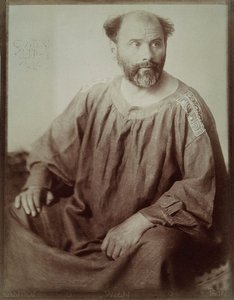
1862 - 1918 , 오스트리아


최신 미술 뉴스, 특별 혜택 및 인테리어 아이디어를 가장 먼저 만나보세요.
프로젝트에 대해 알려주시면 저희 미술 전문가들이 맞춤형 아트 제안 3가지를 전달해 드립니다.
당신만을 위한 맞춤형 옵션 3가지를 무료로 추천해 드립니다!


 미리보기
미리보기
 공유하기
공유하기 공유하기
공유하기
 상세 정보
상세 정보

 다운로드
다운로드
 유사 작품
유사 작품 X-레이
X-레이 슬라이드 쇼

 더 보기
더 보기


