x
빠른 제작과 다양한 마감 옵션을 제공하는 박물관 품질의 지클레이 또는 캔버스 프린트. ( 손으로 그린 그림 구매 이미지 구매)





























작품의 원본 비율을 유지하는 미리 설정된 크기 중에서 선택하세요.

특정 프레임이나 공간에 맞춰 직접 치수를 입력하실 수 있습니다. 선택하신 사이즈가 원본 이미지의 비율과 일치하지 않을 경우, 작품을 크롭(자르기)하거나 이미지를 대칭 또는 단색 채우기로 확장하여 제작합니다. 제작 시작 전, 최종 확인을 위해 디지털 목업이 전송됩니다.
화면상의 미리보기는 실제 크롭이나 확장 상태를 반영하지 않으므로, 최종 구도는 오직 목업을 통해서만 정확하게 확인하실 수 있습니다.
맞춤 사이즈 제작도 가능하지만, 원본 비율을 유지하기 위해서는 사전 정의된 목록에서 치수를 선택하시는 것을 권장합니다.

Thalia and Melpomene
복제본 크기
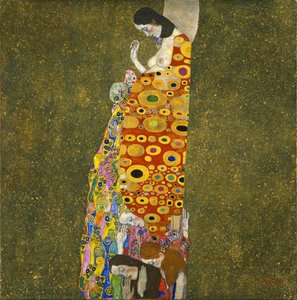
Gustav Klimt’s “Thalia and Melpomene,” painted in 1898, is more than just a depiction of two Greek muses; it's a profound meditation on the very nature of artistic expression itself. This drawing, remarkably preserved and now available as a meticulously hand-painted reproduction, offers a captivating glimpse into Klimt’s evolving style and his fascination with timeless themes. The image presents a trio – Thalia, muse of comedy, Melpomene, muse of tragedy, and an enigmatic observer – arranged within a strikingly formal composition reminiscent of a classical frieze. The drawing's graphite execution reveals the artist’s meticulous attention to detail, particularly in the rendering of the figures’ drapery and the intricate patterns that would later become hallmarks of Klimt’s mature work.
Klimt’s choice of subject matter is deeply rooted in ancient Greek mythology. Thalia and Melpomene were central figures in the world of theatre, representing the two fundamental aspects of dramatic performance: comedy and tragedy. The drawing immediately evokes this duality. Thalia, depicted with a radiant smile and flowing, richly patterned robes, embodies joyous laughter and lightheartedness. Her vibrant colors contrast sharply with Melpomene’s somber expression and the darker hues of her attire, symbolizing sorrow, grief, and the weight of tragic fate. The inclusion of the observer, a shadowy figure positioned between them, suggests the audience – both captivated by the spectacle and profoundly affected by its emotional impact.
“Thalia and Melpomene” represents a pivotal moment in Klimt's artistic development. It showcases his move away from the more overtly academic styles of his early career towards a bolder, more expressive approach. Notice the deliberate use of graphic lines – a technique known as “graphic rain” – that creates a sense of movement and dynamism within the composition. This stylistic choice, influenced by Japanese art which Klimt greatly admired, adds to the drawing’s ethereal quality. The meticulous rendering of textures—the smooth silk of the muses' robes, the rough fabric of the observer’s clothing—demonstrates Klimt’s mastery of technique and his ability to translate visual sensation onto paper. The drawing is a preparatory study for a larger painting, hinting at the scale and grandeur that would characterize his later masterpieces.
Beyond its technical brilliance, “Thalia and Melpomene” possesses a powerful emotional resonance. The figures’ expressions—one joyful, one sorrowful—invite viewers to contemplate the human condition itself. Klimt's ability to capture such profound emotions through simple lines and shapes is a testament to his genius. This drawing serves as a crucial link in understanding Klimt’s artistic trajectory, foreshadowing the opulent gold leaf works that would later cement his place among the most important artists of the late 19th and early 20th centuries. A hand-painted reproduction offers an unparalleled opportunity to experience this iconic work firsthand, bringing its beauty and intellectual depth into your home or studio.


1862 - 1918 , 오스트리아

Explore the profound impact of the Vienna Secession movement. Discover how visionaries like Gustav Klimt revolutionized modern art through symbolism, gold leaf, and the concept of Gesamtkunstwerk in this expert-led historical guide.


최신 미술 뉴스, 특별 혜택 및 인테리어 아이디어를 가장 먼저 만나보세요.
프로젝트에 대해 알려주시면 저희 미술 전문가들이 맞춤형 아트 제안 3가지를 전달해 드립니다.
당신만을 위한 맞춤형 옵션 3가지를 무료로 추천해 드립니다!


 미리보기
미리보기
 공유하기
공유하기 공유하기
공유하기
 상세 정보
상세 정보

 다운로드
다운로드
 유사 작품
유사 작품 X-레이
X-레이 슬라이드 쇼


 더 보기
더 보기









 유리 옵션은 110cm 미만 크기에서만 선택 가능합니다.