x





























작품의 원본 비율을 유지하는 미리 설정된 크기 중에서 선택하세요.

특정 프레임이나 공간에 맞도록 직접 크기를 입력할 수 있습니다. 선택하신 크기가 원본 이미지의 비율과 일치하지 않는 경우, 작품을 자르거나 추가적인 손으로 그린 요소를 사용하여 그림을 확장합니다. 제작 시작 전 승인을 위해 디지털 목업을 보내드립니다.
화면 미리 보기는 실제 자르기 또는 확장을 반영하지 않습니다. 최종 구성은 목업을 통해서만 정확하게 확인하실 수 있습니다.
맞춤 크기 제작도 가능하지만, 원본 비율을 유지하기 위해 사전 정의된 목록에서 크기를 선택하시는 것을 권장합니다.

Fée dans une grotte
복제본 크기
Gustave Moreau's Fée dans une grotte (Fairie in a Cave) is not merely a depiction of a woman reclining amongst the trees; it is an immersion into a realm of potent symbolism, steeped in the anxieties and aspirations of the Symbolist movement. Painted during his most intensely creative period – from 1880 to 1890 – this work exemplifies Moreau’s profound engagement with mythology, religion, and the darker recesses of the human psyche. Born in Paris in 1826, Moreau rejected the naturalism favored by his contemporaries, instead seeking to evoke a spiritual experience through meticulously constructed imagery. This painting showcases his mastery of creating an atmosphere of melancholic beauty, a hallmark of his artistic vision.
The central figure, a woman with cascading hair, lies languidly on the forest floor, seemingly lost in reverie or perhaps slumber. The setting is a shadowed grotto, enclosed by ancient trees that contribute to an atmosphere of both mystery and vulnerability. Two birds – one perched delicately near the upper left corner, the other positioned towards the right center – introduce elements of nature and potentially represent freedom or fleeting beauty. Moreau’s deliberate placement of these details elevates the scene beyond a simple portrait; it becomes a carefully constructed tableau designed to elicit specific emotional responses.
Moreau's technique is characterized by its meticulous detail and opulent color palette. He employed a glazing method, layering thin washes of oil paint over one another to achieve luminous effects and create a sense of depth and atmosphere. His brushwork is often obscured, contributing to the painting’s dreamlike quality. The use of rich, jewel-toned colors – particularly the warm orange light source illuminating the woman's face – intensifies the emotional impact. Moreau was deeply influenced by Pre-Raphaelitism and Byzantine iconography, incorporating elements of these traditions into his own unique style. He meticulously built up surfaces with countless layers of paint, creating a tactile quality that invites close inspection.
Fée dans une grotte is deeply rooted in the Symbolist movement’s fascination with the subconscious and the spiritual. The ‘fée’ (fairy) figure, often associated with enchantment, illusion, and hidden knowledge, represents a yearning for transcendence. The grotto itself can be interpreted as a symbolic space – a refuge from the harsh realities of modern life, or perhaps a representation of the womb, evoking themes of birth, death, and rebirth. Moreau's work reflects the broader intellectual climate of late 19th-century Paris, where artists and thinkers were grappling with questions of faith, morality, and the nature of reality. Moreau’s exploration of these themes aligns him firmly within the Symbolist movement, a reaction against the perceived materialism and superficiality of academic art.
The painting's enduring power lies in its ability to evoke a profound sense of melancholy and mystery. The woman’s expression is ambiguous, inviting viewers to project their own emotions and interpretations onto the scene. Moreau’s masterful use of light and shadow creates a dramatic tension, while the overall composition suggests a state of suspended animation – a moment caught between waking and dreaming. A hand-painted reproduction of *Fée dans une grotte* offers an exceptional opportunity to experience the full force of Moreau's artistic vision, bringing this evocative dreamscape into your home or workspace.

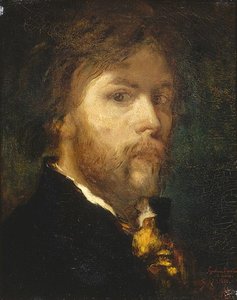
1826 - 1898 , 프랑스

Explore the evocative world of Symbolist painting. Discover how masters like Gustave Moreau rejected realism to capture dreams, myths, and the subconscious through fine art history and expert analysis.

Explore the profound impact of the Vienna Secession movement. Discover how visionaries like Gustav Klimt revolutionized modern art through symbolism, gold leaf, and the concept of Gesamtkunstwerk in this expert-led historical guide.


최신 미술 뉴스, 특별 혜택 및 인테리어 아이디어를 가장 먼저 만나보세요.
프로젝트에 대해 알려주시면 저희 미술 전문가들이 맞춤형 아트 제안 3가지를 전달해 드립니다.
당신만을 위한 맞춤형 옵션 3가지를 무료로 추천해 드립니다!


 미리보기
미리보기
 프린트 구매
 공유하기
공유하기 공유하기
공유하기
 상세 정보
상세 정보

 다운로드
다운로드
 유사 작품
유사 작품 X-레이
X-레이 슬라이드 쇼

 더 보기
더 보기









 유리 옵션은 110cm 미만 크기에서만 선택 가능합니다.