x





























작품의 원본 비율을 유지하는 미리 설정된 크기 중에서 선택하세요.

특정 프레임이나 공간에 맞도록 직접 크기를 입력할 수 있습니다. 선택하신 크기가 원본 이미지의 비율과 일치하지 않는 경우, 작품을 자르거나 추가적인 손으로 그린 요소를 사용하여 그림을 확장합니다. 제작 시작 전 승인을 위해 디지털 목업을 보내드립니다.
화면 미리 보기는 실제 자르기 또는 확장을 반영하지 않습니다. 최종 구성은 목업을 통해서만 정확하게 확인하실 수 있습니다.
맞춤 크기 제작도 가능하지만, 원본 비율을 유지하기 위해 사전 정의된 목록에서 크기를 선택하시는 것을 권장합니다.

Orphée sur la tombe d'Eurydice
복제본 크기
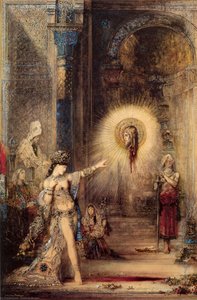
Gustave Moreau’s Orphée sur la tombe d'Eurydice, painted in 1891, is not merely a depiction of the tragic myth; it’s an immersive journey into the heart of Symbolist emotion. This arresting canvas immediately draws the viewer into a world saturated with dreamlike atmosphere and profound psychological depth – a hallmark of Moreau’s distinctive artistic vision. The central figure of Orpheus, rendered in meticulous detail, stands before the tomb of Eurydice, his outstretched arms suggesting both desperate longing and futile effort. He is not a heroic figure of classical mythology, but rather a deeply vulnerable soul grappling with loss and the impossible task of reclaiming what has been irrevocably lost.
Moreau's technique is characterized by its painstaking detail and rich, jewel-toned palette. He employed a layering method, building up translucent glazes to achieve the luminous effects that define his style. The use of gold leaf—a signature element in his work—adds an almost otherworldly quality to the scene, elevating the figures and their surroundings into realms of fantasy and spiritual significance. Note the meticulous rendering of fabric, skin tones, and the intricate details of the surrounding foliage – a testament to Moreau’s dedication to capturing not just form but also texture and atmosphere. The clock on the wall serves as a stark reminder of time's relentless passage, further emphasizing the poignant nature of Orpheus's plight.
The painting is laden with symbolic meaning, reflecting the core tenets of Symbolist art. The tree surrounding Orpheus represents both life and death, growth and decay – a potent symbol of the cyclical nature of existence. The distant figure in the background, often interpreted as Eurydice herself, adds another layer of complexity to the scene, perhaps representing memory or the unattainable ideal. Moreau’s deliberate use of muted colors and hazy forms contributes to the painting's dreamlike quality, inviting viewers to interpret the work through their own emotional lens. The overall composition evokes a sense of melancholy and introspection, prompting contemplation on themes of loss, regret, and the enduring power of love.
Painted in 1891, *Orphée sur la tombe d'Eurydice* reflects the broader cultural anxieties and intellectual currents of the late 19th century. The Symbolist movement emerged as a reaction against the perceived materialism and rationalism of the Industrial Age, seeking instead to explore the realms of spirituality, emotion, and the subconscious. Moreau’s work aligns with this trend, offering a deeply personal and symbolic interpretation of classical mythology – a testament to his belief that art could serve as a conduit for profound emotional and spiritual experience. This painting stands as a powerful example of Moreau's ability to transform ancient myths into timeless expressions of human longing.
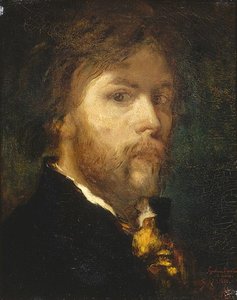
1826 - 1898 , 프랑스

Elevate your design projects with Most-Famous-Paintings's premium canvas prints and hand-painted reproductions. Discover affordable, museum-quality wall decor delivered worldwide, offering freelance decorators professional excellence, archival durability, and bespoke customization for every space.


최신 미술 뉴스, 특별 혜택 및 인테리어 아이디어를 가장 먼저 만나보세요.
프로젝트에 대해 알려주시면 저희 미술 전문가들이 맞춤형 아트 제안 3가지를 전달해 드립니다.
당신만을 위한 맞춤형 옵션 3가지를 무료로 추천해 드립니다!


 미리보기
미리보기
 프린트 구매
 공유하기
공유하기 공유하기
공유하기
 상세 정보
상세 정보

 다운로드
다운로드
 유사 작품
유사 작품 X-레이
X-레이 슬라이드 쇼

 더 보기
더 보기









 유리 옵션은 110cm 미만 크기에서만 선택 가능합니다.