x





























작품의 원본 비율을 유지하는 미리 설정된 크기 중에서 선택하세요.

특정 프레임이나 공간에 맞도록 직접 크기를 입력할 수 있습니다. 선택하신 크기가 원본 이미지의 비율과 일치하지 않는 경우, 작품을 자르거나 추가적인 손으로 그린 요소를 사용하여 그림을 확장합니다. 제작 시작 전 승인을 위해 디지털 목업을 보내드립니다.
화면 미리 보기는 실제 자르기 또는 확장을 반영하지 않습니다. 최종 구성은 목업을 통해서만 정확하게 확인하실 수 있습니다.
맞춤 크기 제작도 가능하지만, 원본 비율을 유지하기 위해 사전 정의된 목록에서 크기를 선택하시는 것을 권장합니다.

Phoebus and Boreas
복제본 크기
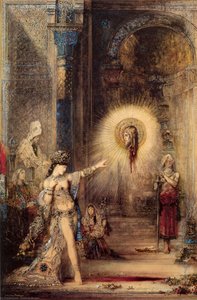
Gustave Moreau's "Phoebus and Boreas," painted in 1879, is not merely a depiction of a scene; it’s an immersion into the turbulent heart of myth and emotion. This watercolor, a cornerstone of Symbolist art, immediately captivates with its dreamlike quality and unsettling beauty. The painting portrays a dramatic confrontation between Phoebus, the Greek god of the sun, and Boreas, the North Wind – a struggle rendered through a tableau of figures, horses, and dogs that feels both intensely personal and profoundly symbolic. Moreau’s masterful use of color and texture creates an atmosphere thick with tension and foreboding, inviting the viewer to contemplate themes of opposing forces, passion versus coldness, and the eternal battle between light and darkness.
Moreau was a pivotal figure in the rise of Symbolism, a movement that rejected the objective realism championed by earlier artistic movements. Instead, Symbolists sought to express inner states of mind, spiritual truths, and fantastical narratives through evocative imagery and rich symbolism. In “Phoebus and Boreas,” the figures themselves are laden with meaning. The woman riding the horse represents vitality, passion, and perhaps even a fleeting moment of triumph – Phoebus’s domain. Conversely, the imposing presence of Boreas, depicted as a powerful, almost monstrous figure, embodies coldness, destruction, and the relentless force of nature. The dogs, strategically placed on either side, could be interpreted as guardians or heralds, adding to the sense of impending conflict. The inclusion of the solitary observer further emphasizes the theme of witnessing and judgment – are they a participant or simply an audience to this cosmic struggle?
Moreau’s technique is characterized by meticulous detail and a deliberate layering of color, achieved through multiple washes of watercolor. He employed a rich, jewel-toned palette – deep blues, purples, and golds dominate the composition – to heighten the painting's emotional impact. Notice how he builds up texture through subtle variations in brushstrokes, creating a sense of depth and movement that draws the viewer into the scene. The use of glazing techniques allows light to penetrate the layers of paint, producing an ethereal glow that contributes significantly to the work’s dreamlike quality. This careful attention to detail is characteristic of Moreau's approach, reflecting his desire to create not just a representation but a fully realized symbolic world.
"Phoebus and Boreas" was created during a period of significant artistic and intellectual ferment in Paris. The Symbolist movement emerged as a reaction against the perceived materialism and superficiality of contemporary society, seeking instead to explore deeper spiritual and psychological truths. Moreau’s work aligns with this broader trend, reflecting a fascination with mythology, folklore, and the occult – themes that were increasingly prevalent in late 19th-century art and literature. Moreau's influence extended beyond Symbolism, impacting subsequent generations of artists who sought to explore the power of symbolism and subjective experience in their work. Today, “Phoebus and Boreas” remains a powerful example of Symbolist painting, admired for its evocative imagery, technical mastery, and profound emotional resonance.
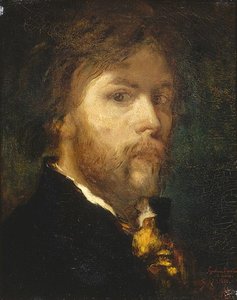
1826 - 1898 , 프랑스

Explore the profound history and technical mastery of watercolor painting. From medieval manuscripts to the luminous works of John Singer Sargent, discover how artists capture light and transparency through this delicate, enduring medium.


최신 미술 뉴스, 특별 혜택 및 인테리어 아이디어를 가장 먼저 만나보세요.
프로젝트에 대해 알려주시면 저희 미술 전문가들이 맞춤형 아트 제안 3가지를 전달해 드립니다.
당신만을 위한 맞춤형 옵션 3가지를 무료로 추천해 드립니다!


 미리보기
미리보기
 프린트 구매
 공유하기
공유하기 공유하기
공유하기
 상세 정보
상세 정보

 다운로드
다운로드
 유사 작품
유사 작품 X-레이
X-레이 슬라이드 쇼

 더 보기
더 보기









 유리 옵션은 110cm 미만 크기에서만 선택 가능합니다.