x
빠른 제작과 다양한 마감 옵션을 제공하는 박물관 품질의 지클레이 또는 캔버스 프린트. ( 손으로 그린 그림 구매 이미지 구매)





























작품의 원본 비율을 유지하는 미리 설정된 크기 중에서 선택하세요.

특정 프레임이나 공간에 맞춰 직접 치수를 입력하실 수 있습니다. 선택하신 사이즈가 원본 이미지의 비율과 일치하지 않을 경우, 작품을 크롭(자르기)하거나 이미지를 대칭 또는 단색 채우기로 확장하여 제작합니다. 제작 시작 전, 최종 확인을 위해 디지털 목업이 전송됩니다.
화면상의 미리보기는 실제 크롭이나 확장 상태를 반영하지 않으므로, 최종 구도는 오직 목업을 통해서만 정확하게 확인하실 수 있습니다.
맞춤 사이즈 제작도 가능하지만, 원본 비율을 유지하기 위해서는 사전 정의된 목록에서 치수를 선택하시는 것을 권장합니다.

untitled (4246)
복제본 크기
Henri Matisse, a titan amongst Fauvist painters and arguably one of the most influential artists of the 20th century, gifted us with “Untitled (4246),” a landscape that transcends mere depiction—it embodies an ethos of joyful spontaneity and profound artistic vision. Painted sometime between 1937 and 1941 during Matisse’s prolific period in Antibes, France, this artwork isn't simply observed; it’s felt.
The painting presents a hillside vista bathed in the warm hues of Provençal sunlight. Dominating the composition are stylized trees—their trunks rendered in bold strokes of ochre and burnt umber—reaching upwards towards a cerulean sky punctuated by patches of azure and lemon yellow. Beneath this luminous expanse unfolds a tranquil village scene, populated with figures engaged in everyday activities; their forms simplified yet imbued with palpable presence.
Matisse’s stylistic approach—Fauvism—represents a radical departure from Impressionistic conventions. Rejecting the subtle gradations of light and shadow favored by his predecessors, Matisse championed an uncompromising embrace of pure color. He believed that color possessed inherent expressive power, capable of conveying emotion directly to the viewer without mediation.
"Untitled (4246)" exemplifies this principle perfectly. The artist eschews naturalistic pigments, opting instead for vibrant shades—crimson, tangerine, emerald green—that pulsate with energy and vitality. These colors aren’t blended harmoniously; they are juxtaposed boldly against each other, creating a visual dynamism that mirrors the emotional intensity of Matisse's artistic intent.
Matisse meticulously crafted his canvases using tempera paint on canvas—a technique known for its luminosity and durability. He employed a reductive approach to composition, reducing forms to their essential outlines while prioritizing color as the primary vehicle of artistic communication. The deliberate flattening of perspective contributes to the painting’s dreamlike quality, inviting contemplation rather than demanding detailed observation.
Notice how Matisse skillfully uses repetition—the stylized trees appearing multiple times throughout the scene—to reinforce visual rhythm and create a sense of unity. Furthermore, the placement of figures strategically anchors the composition, guiding the viewer's gaze across the landscape and enhancing its overall impact.
"Untitled (4246)" speaks to Matisse’s broader artistic philosophy—a desire to capture not just what is seen but what is felt. The hillside setting symbolizes tranquility and refuge from the anxieties of wartime Europe, mirroring Matisse's own personal experience during World War II.
More profoundly, however, the painting embodies Matisse’s belief in the transformative power of art. By immersing himself in color and form, he sought to liberate his imagination and express joy—a sentiment that radiates outwards from the canvas itself. This artwork remains a testament to Matisse's unwavering conviction that beauty could serve as an antidote to despair.


1869 - 1954 , 프랑스
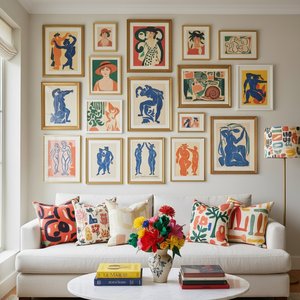
앙리 마티스의 시대를 초월하는 걸작 25선을 만나보세요. 색채주의, 야수파를 대표하는 그의 삶과 예술 세계를 탐험하고, Most-Famous-Paintings에서 명화 복제본으로 거실 인테리어에 감동을 더하세요. 지금 바로 컬렉션을 확인하세요!

Explore 10 Fauvist masterpieces by Matisse, Derain & Vlaminck that ignited Modern Art! Discover bold colors, expressionist landscapes & the history of this revolutionary movement. Find museum-quality prints at Most-Famous-Paintings.com.
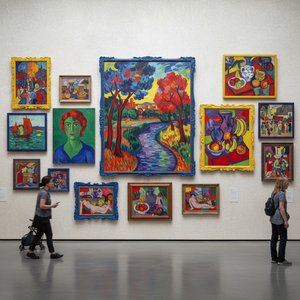
fauve 미술의 심장을 뛰게 하는 10대 걸작! 모리스 드니, 마티스 등 거장의 강렬한 색채와 혁신적인 표현을 만나보세요. 예술 작품 감상부터 인테리어 디자인 영감까지, Most-Famous-Paintings.com에서 명품 아트 프린트를 찾아보세요.
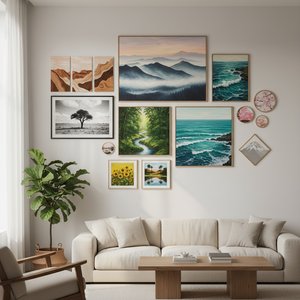
Journey through 10 breathtaking landscape paintings by Monet, Van Gogh & more! Explore iconic artworks, artistic techniques & find inspiration for your home decor. Museum-quality reproductions at Most-Famous-Paintings.com. Discover all masterpieces on Most-Famous-Paintings.com

Explore the serene landscapes of Henri-Joseph Harpignies, a master of the Barbizon School. Discover his atmospheric paintings, recurring themes & enduring legacy in 19th-century French art. Learn more at Most-Famous-Paintings.


최신 미술 뉴스, 특별 혜택 및 인테리어 아이디어를 가장 먼저 만나보세요.
프로젝트에 대해 알려주시면 저희 미술 전문가들이 맞춤형 아트 제안 3가지를 전달해 드립니다.
당신만을 위한 맞춤형 옵션 3가지를 무료로 추천해 드립니다!


 미리보기
미리보기
 공유하기
공유하기 공유하기
공유하기
 상세 정보
상세 정보

 다운로드
다운로드
 유사 작품
유사 작품 X-레이
X-레이 슬라이드 쇼
 더 보기
더 보기









 유리 옵션은 110cm 미만 크기에서만 선택 가능합니다.