x
빠른 제작과 다양한 마감 옵션을 제공하는 박물관 품질의 지클레이 또는 캔버스 프린트. ( 손으로 그린 그림 구매 이미지 구매)





























작품의 원본 비율을 유지하는 미리 설정된 크기 중에서 선택하세요.

특정 프레임이나 공간에 맞춰 직접 치수를 입력하실 수 있습니다. 선택하신 사이즈가 원본 이미지의 비율과 일치하지 않을 경우, 작품을 크롭(자르기)하거나 이미지를 대칭 또는 단색 채우기로 확장하여 제작합니다. 제작 시작 전, 최종 확인을 위해 디지털 목업이 전송됩니다.
화면상의 미리보기는 실제 크롭이나 확장 상태를 반영하지 않으므로, 최종 구도는 오직 목업을 통해서만 정확하게 확인하실 수 있습니다.
맞춤 사이즈 제작도 가능하지만, 원본 비율을 유지하기 위해서는 사전 정의된 목록에서 치수를 선택하시는 것을 권장합니다.

untitled (3915)
복제본 크기
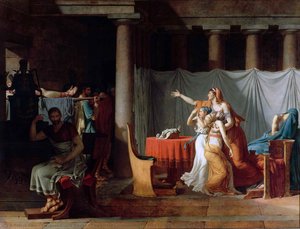
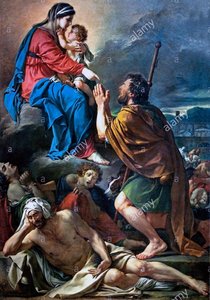
Jacques-Louis David (1748-1825) stands as a monumental figure in the annals of French art history, embodying not merely artistic skill but also the tumultuous spirit of his era – the dawn of the Enlightenment and the explosive upheaval of the French Revolution. His journey from humble beginnings to international acclaim is itself a chronicle of dramatic transformation, mirroring the broader societal shifts that reshaped Europe.
Born in Paris amidst considerable hardship—his father’s untimely death leaving him orphaned at a young age and a facial deformity presenting significant challenges to his speech—David possessed an innate dedication to mastering his craft. Initially apprenticed to François Boucher, David quickly recognized the profound moral resonance of Joseph-Marie Vien's approach to history painting, prioritizing classical ideals and heroic narratives.
Early successes in competitions secured him a place at the Académie Royale de peinture et de sculpture, where he honed his technique under Vien’s tutelage. However, David’s artistic vision swiftly diverged from established conventions, gravitating towards a style characterized by austere clarity and monumental grandeur – Neoclassicism. This stylistic preference wouldn't simply be aesthetic; it would become inextricably linked to the revolutionary fervor gripping France.
David’s artistic philosophy was deeply rooted in the revival of classical antiquity, fueled by humanist scholarship and a fervent belief in reason. Rejecting the ornate excesses of Rococo art, he championed forms reminiscent of Greek and Roman sculpture – idealized figures conveying moral virtue and embodying heroic action. This stylistic choice wasn't accidental; it served as a deliberate rebuke to the perceived decadence of the Bourbon monarchy and an affirmation of republican values.
"Oath of the Horatii," arguably David’s most celebrated masterpiece, exemplifies this Neoclassical ethos. Painted in 1784, it depicts a poignant scene from Roman legend—three brothers pledging allegiance to their father and upholding honor above personal ambition. The composition is meticulously balanced, utilizing geometric precision and dramatic chiaroscuro to heighten emotional impact. More than just an aesthetically pleasing image, the painting functioned as a powerful symbol of civic duty and moral fortitude – sentiments that resonated deeply with the burgeoning republican movement.
"The Death of Marat," completed in 1793 during the height of the Reign of Terror, cemented David’s reputation as a propagandist for the revolution. This unflinching depiction of Jean-Paul Marat—a radical journalist assassinated by Charlotte Corday—captured the visceral horror and moral urgency of the period with remarkable realism. The painting's stark simplicity – bathed in muted light – underscores Marat’s martyrdom, conveying profound sorrow and commemorating his unwavering commitment to republican ideals.
David’s artistic legacy extends far beyond his iconic paintings. He profoundly influenced subsequent generations of artists, shaping the visual language of Romanticism and establishing Neoclassicism as a dominant aesthetic force throughout Europe. His meticulous attention to detail, masterful use of technique—particularly etching—and unwavering commitment to classical ideals continue to inspire admiration and scholarly study today. A testament to artistic brilliance and historical significance, Jacques-Louis David’s oeuvre remains an enduring emblem of the Enlightenment's transformative power.


1748 - 1800 , 프랑스

Explore the profound elegance of Neoclassicism. Discover how Enlightenment ideals, the discovery of Pompeii, and masters like Jacques-Louis David revived the glory of Greek and Roman antiquity through art defined by order, reason, and timeless beauty.

Explore the profound shift of Neoclassicism, from the rejection of Rococo excess to the embrace of Enlightenment reason. Discover how archaeological finds and classical ideals reshaped art, architecture, and sculpture in a timeless return to order and grandeur.

Explore the profound elegance of Neoclassicism. Discover how the Enlightenment era embraced Greek and Roman ideals of order, reason, and symmetry to redefine art history through masters like Mengs and Hamilton. A definitive guide for history lovers and art collectors.


최신 미술 뉴스, 특별 혜택 및 인테리어 아이디어를 가장 먼저 만나보세요.
프로젝트에 대해 알려주시면 저희 미술 전문가들이 맞춤형 아트 제안 3가지를 전달해 드립니다.
당신만을 위한 맞춤형 옵션 3가지를 무료로 추천해 드립니다!


 미리보기
미리보기
 공유하기
공유하기 공유하기
공유하기
 상세 정보
상세 정보

 다운로드
다운로드
 유사 작품
유사 작품 X-레이
X-레이 슬라이드 쇼
 더 보기
더 보기









 유리 옵션은 110cm 미만 크기에서만 선택 가능합니다.