수집품 상세 설명
A Moment of Divine Encounter: Exploring Jan van Eyck’s ‘untitled (6855)’
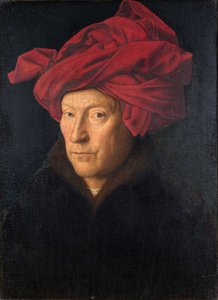
This captivating vertical panel painting, attributed to the masterful hand of Jan van Eyck, offers a serene yet profoundly moving depiction likely representing *The Annunciation*. Executed in the hallmark style of Early Netherlandish painting, circa 1420-1441, this work is a testament to Van Eyck’s revolutionary approach to realism and his meticulous attention to detail. It invites viewers into a sacred space, fostering contemplation on faith and divine intervention.
Style & Technique: Pioneering Realism in Oil
Van Eyck was at the forefront of artistic innovation, and this piece exemplifies his groundbreaking use of oil paint. Unlike tempera, which was common at the time, oil allowed for incredibly fine detail, luminous color, and subtle gradations of light and shadow. Observe how the artist achieves texture – not through impasto, but through masterful glazing techniques that create a smooth surface with remarkable depth. The composition is characterized by precise lines defining both architectural elements and drapery, alongside geometric shapes lending structure to the scene. While perspective isn’t fully developed in the Renaissance sense, Van Eyck skillfully creates spatial recession through layering and carefully considered linear arrangements.
Subject & Symbolism: A Narrative of Faith
The painting centers on a pivotal moment in Christian theology – the Archangel Gabriel's announcement to Mary that she will conceive and bear the Son of God. The Virgin Mary is depicted seated, absorbed in reading an open book—a symbol of divine knowledge and her acceptance of God’s will. Around her, delicate lilies bloom, representing purity and innocence. The angel, poised with a gesture of reverence, serves as the messenger from the heavens. The grand architectural setting – featuring arched windows and imposing columns – suggests a cathedral or church interior, emphasizing the sacredness of the event. Dramatic lighting streams through the window, illuminating Mary’s face and the angel's robes, drawing the viewer’s eye to these central figures.
Historical Context: The Burgundian Court & Artistic Revolution
Jan van Eyck (c. 1390-1441) flourished as a court painter for John III the Pitiless and later Philip the Good, Dukes of Burgundy. This patronage provided him with resources and opportunities to experiment with new techniques and elevate painting to unprecedented levels of realism. His work marked a significant departure from the International Gothic style prevalent at the time, paving the way for the Northern Renaissance. Van Eyck’s innovations weren't merely technical; they reflected a growing humanist interest in observing and representing the natural world with accuracy and detail.
Emotional Impact & Interior Design Considerations
This painting evokes a sense of profound piety, reverence, and spiritual contemplation. The rich color palette – deep reds, blues, and browns – contributes to the solemn atmosphere. The work’s vertical format lends itself well to various interior settings. It would be particularly striking in a hallway, dining room, or study, adding a touch of Old World elegance and intellectual depth. Its restrained yet powerful imagery makes it suitable for both traditional and contemporary spaces, serving as a focal point that invites quiet reflection. A high-quality reproduction of this masterpiece would be an exceptional addition to any art collection or thoughtfully designed home.



 프린트 구매






 미리보기
미리보기
 공유하기
공유하기 공유하기
공유하기
 상세 정보
상세 정보

 다운로드
다운로드
 유사 작품
유사 작품 X-레이
X-레이 슬라이드 쇼
 더 보기
더 보기


