x





























작품의 원본 비율을 유지하는 미리 설정된 크기 중에서 선택하세요.

특정 프레임이나 공간에 맞도록 직접 크기를 입력할 수 있습니다. 선택하신 크기가 원본 이미지의 비율과 일치하지 않는 경우, 작품을 자르거나 추가적인 손으로 그린 요소를 사용하여 그림을 확장합니다. 제작 시작 전 승인을 위해 디지털 목업을 보내드립니다.
화면 미리 보기는 실제 자르기 또는 확장을 반영하지 않습니다. 최종 구성은 목업을 통해서만 정확하게 확인하실 수 있습니다.
맞춤 크기 제작도 가능하지만, 원본 비율을 유지하기 위해 사전 정의된 목록에서 크기를 선택하시는 것을 권장합니다.

Cabeza de mujer
복제본 크기
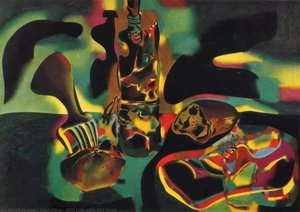
In the vast, labyrinthine landscape of 20th-century Surrealism, few works possess the raw, psychological magnetism of Joan Miró’s Cabeza de mujer. Painted during a transformative period between 1935 and 1940, this masterpiece serves as a profound window into the artist's subconscious. Rather than offering a traditional portrait, Miró presents us with a stylized, dreamlike visage that defies the boundaries of literal representation. The painting is an evocative exploration of identity and emotion, where the human form is deconstructed into a rhythmic dance of geometric shapes and organic flourishes. To gaze upon this work is to step into a realm where the distinction between reality and fantasy dissolves, leaving only the primal essence of the subject behind.
The visual language of Cabeza de mujer is defined by its striking, almost confrontational, palette. Miró utilizes a stark, dramatic tension through the interplay of deep blacks and a piercing, crimson red. This limited yet potent color scheme does more than just command attention; it mirrors the turbulent psychological landscape of an era marked by profound uncertainty. The technique itself—tempera on canvas applied with thick, expressive impasto strokes—lends a tactile physicality to the piece. These bold, textured marks create a sense of movement and spontaneity, as if the artist were capturing a fleeting thought or a sudden burst of emotion directly from the ether of his imagination.
Beyond its aesthetic brilliance, the artwork is deeply embedded in the historical currents of Catalonia. Created amidst the rise of Francisco Franco’s dictatorship following the Spanish Civil War, the painting breathes with the anxieties of a society under siege. For Miró, Surrealism was not merely an artistic choice but a tool for resistance—a way to articulate the suppressed truths and cultural identities that faced censorship. The composition, featuring eyes scattered across a face composed of circles, squares, and triangles, suggests a fragmented perception, perhaps reflecting the fractured state of a nation in turmoil. The inclusion of organic forms, reminiscent of roots or plant stems, intertwines the human experience with the very earth of Catalonia, grounding his abstract visions in a deep sense of place.
For the discerning collector or interior designer, Cabeza de mujer offers much more than visual intrigue; it provides an emotional anchor for a sophisticated space. The painting’s ability to evoke both unsettling tension and mesmerizing beauty makes it a versatile centerpiece for modern environments. Whether placed in a minimalist gallery setting or integrated into a richly textured living space, the work invites continuous contemplation. It is a piece that does not merely decorate a wall but transforms an atmosphere, offering a sophisticated dialogue between the viewer and the enduring legacy of one of art history's most visionary minds.
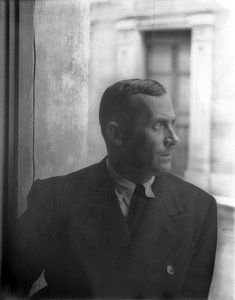
1893 - 1983 , 스페인
Explore the profound emotional depth of Lyrical Abstraction. Discover how masters like Raymond Parker used color and form to bridge Impressionism and Abstract Expressionism. Learn about this pivotal movement through our expert-led art history guide.

Explore the profound emotional depth of Color Field painting. Discover the history of mid-century abstraction, from Rothko to Newman, and learn how pure color transforms the viewer's experience through our expert art history guide.

Discover the profound emotional depth and investment potential of contemporary abstraction. Our expert guide explores how texture, movement, and form create timeless value for discerning art collectors and sophisticated interiors.


최신 미술 뉴스, 특별 혜택 및 인테리어 아이디어를 가장 먼저 만나보세요.
프로젝트에 대해 알려주시면 저희 미술 전문가들이 맞춤형 아트 제안 3가지를 전달해 드립니다.
당신만을 위한 맞춤형 옵션 3가지를 무료로 추천해 드립니다!


 미리보기
미리보기
 프린트 구매
 공유하기
공유하기 공유하기
공유하기
 상세 정보
상세 정보

 다운로드
다운로드
 유사 작품
유사 작품 X-레이
X-레이 슬라이드 쇼

 더 보기
더 보기









 유리 옵션은 110cm 미만 크기에서만 선택 가능합니다.