x





























작품의 원본 비율을 유지하는 미리 설정된 크기 중에서 선택하세요.

특정 프레임이나 공간에 맞도록 직접 크기를 입력할 수 있습니다. 선택하신 크기가 원본 이미지의 비율과 일치하지 않는 경우, 작품을 자르거나 추가적인 손으로 그린 요소를 사용하여 그림을 확장합니다. 제작 시작 전 승인을 위해 디지털 목업을 보내드립니다.
화면 미리 보기는 실제 자르기 또는 확장을 반영하지 않습니다. 최종 구성은 목업을 통해서만 정확하게 확인하실 수 있습니다.
맞춤 크기 제작도 가능하지만, 원본 비율을 유지하기 위해 사전 정의된 목록에서 크기를 선택하시는 것을 권장합니다.

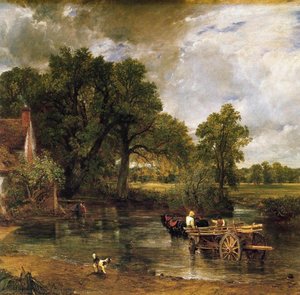
Overbury Hall, Suffolk
복제본 크기
John Constable's “Overbury Hall, Suffolk,” painted in 1815, isn’t merely a depiction of an old building; it’s a carefully constructed meditation on light, texture, and the enduring spirit of rural England. This remarkable pencil drawing, now housed within the Victoria & Albert Museum’s Prints & Drawings Study Room, offers a poignant glimpse into a bygone era – a time when the rhythms of agricultural life intertwined seamlessly with the beauty of the natural world. The scene unfolds in a quiet corner of Suffolk, where Overbury Hall, a modest yet dignified structure, stands nestled amongst rolling fields and a meandering stream. It’s a landscape imbued with a sense of melancholy and timelessness, reflecting Constable's deep connection to his native county.
Constable’s genius lies not just in his technical skill – the meticulous rendering of weathered wood, the subtle gradations of tone achieved through masterful hatching and cross-hatching – but also in his ability to evoke atmosphere. The drawing is dominated by a soft, diffused light, casting long shadows that suggest both the stillness of the afternoon and the passage of time. This atmospheric quality is further enhanced by Constable’s use of perspective; he employs a flattened approach, characteristic of topographical drawings popular at the time, creating an illusion of depth through carefully placed lines and variations in detail. The composition itself is deliberately balanced, with the building anchoring the scene while the surrounding landscape provides a sense of spaciousness and tranquility.
Executed entirely in pencil on paper, “Overbury Hall” exemplifies Constable's distinctive style – a blend of meticulous observation and expressive brushwork. He employed a technique known as ‘hatching,’ where parallel lines are drawn closely together to create tonal variations, effectively simulating the texture of wood and stone. Cross-hatching, achieved by layering these hatched lines at an angle, adds further depth and richness to the surface. Notice how Constable meticulously captures the rough grain of the building’s timbers, the unevenness of the fields, and the delicate ripples in the water – each detail rendered with a remarkable degree of sensitivity.
The drawing's overall effect is one of quiet contemplation. The lines are not sharply defined; instead, they possess a fluidity that mirrors the natural world itself. This approach reflects Constable’s belief that painting should be an honest representation of nature, capturing its essence rather than simply imitating its appearance. He was deeply influenced by the works of Claude Lorrain and other Old Masters, but he ultimately developed his own unique style – one characterized by a profound understanding of light, color, and texture.
The subject itself, Overbury Hall, is a significant element within the drawing's narrative. While the exact location of the hall remains somewhat debated—scholarly research suggests it may be Overbury Court in Tewkesbury, Worcestershire—it represents a quintessential example of rural architecture from the early 18th century. The building’s modest size and weathered appearance speak to its long history and connection to the land. It's a structure that has witnessed generations of farmers and laborers, silently observing the changing seasons and the ebb and flow of life in Suffolk.
The inclusion of livestock – cows grazing peacefully in the foreground – further reinforces this sense of rural tradition. They are not merely decorative elements; they are integral to the landscape, representing the economic heart of the region. The scene as a whole evokes a feeling of nostalgia for a simpler time—a time when life was closely tied to the rhythms of nature and the land provided sustenance and livelihood.
Beyond its purely representational qualities, “Overbury Hall” is rich in symbolism. The drawing’s muted palette and melancholic atmosphere suggest a sense of loss—the decline of rural life, the fading of traditional ways, and the inevitable passage of time. Yet, there's also an underlying feeling of resilience – a quiet dignity that endures despite the challenges faced by those who inhabit this landscape. Constable’s masterful use of light and shadow creates a powerful emotional resonance, inviting viewers to contemplate the beauty and fragility of the natural world.
Reproductions of “Overbury Hall” offer an exceptional opportunity to bring this evocative scene into your home or office. Whether you're drawn to its historical significance, its artistic merit, or simply its captivating atmosphere, this drawing is a timeless testament to John Constable’s genius and his profound love for the English countryside.
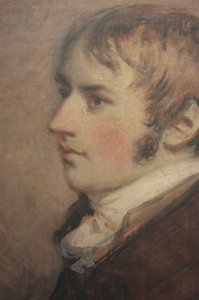
1776 - 1837 , 영국

Explore the serene landscapes of John Varley I, a key figure in British Romanticism. Discover his unique watercolour style, collaboration with William Blake & lasting artistic legacy. Learn about collecting Varley's work.

Explore the rich history of pastoral landscape art, from classical Arcadia to Impressionism & beyond. Discover key artists, movements, and how to collect serene rural scenes for your home. Expert insights at Most-Famous-Paintings.
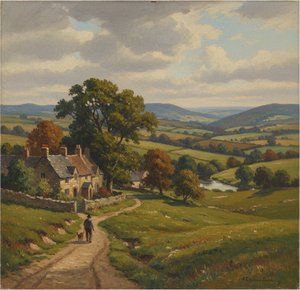
Explore the captivating landscapes & portraits of Brian Hatton (1887-1916), a promising British artist lost too soon. Discover his unique style, Herefordshire roots, and lasting legacy in early 20th-century art.

Explore the captivating Orientalist paintings of John Frederick Lewis! Discover his mastery of detail, genre scenes & influence on 19th-century British art. Learn about his life, techniques & legacy at Most-Famous-Paintings.

Explore the captivating world of Philip Connard (1875-1958), a leading British Impressionist painter renowned for his decorative landscapes and wartime artistry. Discover his life, legacy & available artworks at Most-Famous-Paintings.


최신 미술 뉴스, 특별 혜택 및 인테리어 아이디어를 가장 먼저 만나보세요.
프로젝트에 대해 알려주시면 저희 미술 전문가들이 맞춤형 아트 제안 3가지를 전달해 드립니다.
당신만을 위한 맞춤형 옵션 3가지를 무료로 추천해 드립니다!


 미리보기
미리보기
 프린트 구매
 공유하기
공유하기 공유하기
공유하기
 상세 정보
상세 정보

 다운로드
다운로드
 유사 작품
유사 작품 X-레이
X-레이 슬라이드 쇼
 더 보기
더 보기









 유리 옵션은 110cm 미만 크기에서만 선택 가능합니다.