x
빠른 제작과 다양한 마감 옵션을 제공하는 박물관 품질의 지클레이 또는 캔버스 프린트. ( 손으로 그린 그림 구매 이미지 구매)





























작품의 원본 비율을 유지하는 미리 설정된 크기 중에서 선택하세요.

특정 프레임이나 공간에 맞춰 직접 치수를 입력하실 수 있습니다. 선택하신 사이즈가 원본 이미지의 비율과 일치하지 않을 경우, 작품을 크롭(자르기)하거나 이미지를 대칭 또는 단색 채우기로 확장하여 제작합니다. 제작 시작 전, 최종 확인을 위해 디지털 목업이 전송됩니다.
화면상의 미리보기는 실제 크롭이나 확장 상태를 반영하지 않으므로, 최종 구도는 오직 목업을 통해서만 정확하게 확인하실 수 있습니다.
맞춤 사이즈 제작도 가능하지만, 원본 비율을 유지하기 위해서는 사전 정의된 목록에서 치수를 선택하시는 것을 권장합니다.

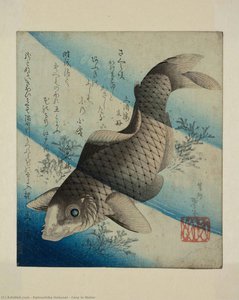
Cranes on pine tree
복제본 크기
Katsushika Hokusai’s *Cranes on Pine Tree* is more than just a depiction of two elegant cranes amidst a wintry landscape; it’s a profound meditation on longevity, harmony, and the enduring beauty of nature – themes deeply rooted in East Asian philosophy and artistic tradition. Executed with the meticulous precision characteristic of Ukiyo-e prints, this artwork embodies Hokusai's mastery of capturing fleeting moments and imbuing them with symbolic weight. The scene unfolds with a quiet grace, inviting the viewer to contemplate the transient nature of existence while appreciating the steadfastness represented by the ancient pine tree and the revered crane.
Created around 1834, *Cranes on Pine Tree* exemplifies the core tenets of Ukiyo-e – Japanese woodblock prints that flourished during the Edo period. Hokusai’s technique relies heavily on layered washes of sumi ink applied to washi (Japanese rice) paper using delicate brushes and specialized tools. This process, known as *bokashi*, builds up tonal variations with remarkable subtlety, creating a textured surface that mimics the aged appearance of traditional Japanese paper. The bold outlines defining the cranes and foliage contrast sharply with the softer gradations in the background, drawing the eye towards the central subject while simultaneously conveying a sense of atmospheric depth. Notice how the artist skillfully utilizes negative space – the misty sky and distant trees – to enhance the composition’s dynamism and create an illusion of vastness.
The choice of cranes as the central motif is laden with profound symbolism. In East Asian cultures, particularly in Japan and China, the crane represents longevity, happiness, good fortune, and imperial power. The pairing of two cranes often signifies marital fidelity or a wish for prosperity. The pine tree itself is a powerful symbol of resilience, immortality, and steadfastness – its ability to thrive even in harsh winter conditions mirrors the human spirit’s capacity for endurance. Hokusai's careful placement of these elements within a serene landscape speaks volumes about the values he sought to convey: respect for nature, an appreciation for beauty, and a belief in the interconnectedness of all things.
*Cranes on Pine Tree* was created during a pivotal period in Hokusai’s career, following his groundbreaking work *Thirty-Six Views of Mount Fuji*. While sharing stylistic similarities with this iconic series – particularly the emphasis on atmospheric perspective and dynamic composition – this piece demonstrates a shift towards a more intimate portrayal of nature. Hokusai's influence extends far beyond Japan; his innovative techniques and compositions profoundly impacted Western artists, including Claude Monet and Edgar Degas, who were captivated by the beauty and power of Ukiyo-e prints. This artwork stands as a testament to Hokusai’s enduring legacy as one of the most influential artists in history.
A hand-painted reproduction of *Cranes on Pine Tree* offers a unique opportunity to experience the profound beauty and symbolic richness of Hokusai’s masterpiece. Whether adorning your living room, study, or meditation space, this artwork will bring a sense of tranquility and inspiration into your environment. The meticulous detail and vibrant colors faithfully recreate the original's essence, making it a timeless addition to any collection. Consider its placement carefully – allowing the serene imagery to become a focal point and evoke feelings of peace and harmony.

1760 - 1849 , 일본

Explore the profound beauty of woodblock printing. From Ukiyo-e masters to intricate textures, discover the history, craftsmanship, and enduring legacy of this timeless art form through our expert art-history lens.

Explore the profound serenity of Japanese landscape painting. From Hokusai's waves to Zen-inspired ink washes, discover the history, technique, and spiritual depth of Ukiyo-e masters in this expert art historical guide for collectors and enthusiasts.


최신 미술 뉴스, 특별 혜택 및 인테리어 아이디어를 가장 먼저 만나보세요.
프로젝트에 대해 알려주시면 저희 미술 전문가들이 맞춤형 아트 제안 3가지를 전달해 드립니다.
당신만을 위한 맞춤형 옵션 3가지를 무료로 추천해 드립니다!


 미리보기
미리보기
 공유하기
공유하기 공유하기
공유하기
 상세 정보
상세 정보

 다운로드
다운로드
 유사 작품
유사 작품 X-레이
X-레이 슬라이드 쇼

 더 보기
더 보기









 유리 옵션은 110cm 미만 크기에서만 선택 가능합니다.