당신의 작품 판매하기
위시리스트 장바구니 Cart
미리보기미리보기 AR 미리보기AR 미리보기 프린트 구매 프린트 구매손으로 그린 그림 구매 손으로 그린 그림 구매 공유하기공유하기
상세 정보상세 정보 즐겨찾기에 추가 즐겨찾기에 추가 다운로드다운로드 유사 작품유사 작품 X-레이X-레이 슬라이드 쇼슬라이드 쇼

Atlantic Codex (Codex Atlanticus), f. 673 recto.

Explore Leonardo da Vinci’s Codex Atlanticus (f. 673 recto): a dense page of scientific sketches & handwritten notes from 1518. Witness Renaissance ingenuity in this unique artwork.

레오나르도 다 빈치(1452-1519): 모나리자와 최후의 만찬으로 유명한 르네상스 거장! 그의 스푸마토 기법, 해부학 연구, 혁신적인 발명품을 만나보세요.

온라인 미리보기보다 훨씬 뛰어난 품질의 고해상도 디지털 이미지를 구매해 보세요.

각 파일은 사내 전문가가 고급 도구와 숙련된 수동 리터칭 기술을 사용하여 세심하게 준비합니다. 우리는 모든 이미지가 탁월한 선명도, 정확한 색상 재현력, 그리고 미세한 디테일까지 완벽하게 갖추도록 보장합니다.

최종 파일은 전문적인 편집 및 인쇄 환경에서 즉시 사용할 수 있도록 최적화되어 72시간 이내에 이메일로 발송됩니다. 이는 세계적인 디자인 스튜디오, 출판사 및 갤러리가 신뢰하는 것과 동일한 품질입니다.

디지털 이미지

개인 소장 및 전시, 인쇄, 창작 프로젝트를 위한 고해상도 파일을 다운로드하세요. (프린트 구매 프린트 구매손으로 그린 그림 구매 손으로 그린 그림 구매)

최종 결제 금액

$ 24.90

모든 디지털 이미지 주문에 포함된 혜택

전문적인 디지털 이미지 전송 보장

Most-Famous-Paintings.com를 선택하시면 단순히 이미지를 받는 것을 넘어, 정밀한 보정 과정을 거친 전문적인 디지털 예술 작품을 만나보실 수 있습니다. 모든 작품에는 만족 보장 서비스가 함께 제공되며, 주문 시 다음과 같은 사항들이 자동으로 포함됩니다:

shipping_icon
빠른 이메일 전송

주문 후 72시간 이내에 고해상도 디지털 이미지 파일이 이메일로 발송되며, 즉시 사용하실 수 있습니다.

canvas_icon
AI 기술로 향상된 디지털 파일

귀하의 작품은 고급 AI 도구와 수동 편집 과정을 거쳐 전문적으로 최적화되며, 이를 통해 디테일과 선명도, 색상의 정확도를 극대화합니다.

insurance_icon
평생 무료 재전송 서비스

파일을 실수로 삭제하거나 분실하셨나요? 걱정 마세요. 언제든 무료로 다시 보내드립니다.

tax_icon
추가 수입 비용 없음 - 언제나

관세나 부가세, 배송비 부담 없이 작품을 즉시 감상하세요 - 디지털 다운로드는 언제나 면세 혜택이 적용됩니다.

color_icon
정확한 색상 보장

전문적인 도구와 색상 관리 시스템을 통해 디지털 이미지가 원본의 색상을 최대한 정확하게 구현하도록 보장합니다.

return_icon
60일 만족 보장제

구매하신 디지털 이미지에 만족하지 못하실 경우, 60일 이내에 수정 또는 100% 환불을 진행해 드립니다 - 어떠한 문의도 필요 없습니다.

guarantee_icon
100% 환불 보장

만족하지 못하셨나요? 디지털 파일을 수령하신 후 60일 이내라면 별도의 이유를 밝힐 필요 없이 전액 환불해 드립니다.

discount_icon
대량 주문 할인

이미지 3매 구매 시 10% 할인 - 5매 구매 시 15% 할인 - 10매 이상 구매 시 20% 할인. 크리에이티브 프로젝트, 갤러리, 에이전시에 매우 유용합니다.

작품 정보 요약

  • style: Renaissance manuscript illumination
  • title: Atlantic Codex (Codex Atlanticus), f. 673 recto
  • subject: scientific observations, anatomical studies, architectural designs, philosophical musings
  • year: 1518
  • notable elements: handwritten text and sketches, geometric shapes and symbols

예술 상식 퀴즈

각 질문의 정답은 하나뿐입니다.

질문 1:
To what broader collection does this page belong?
질문 2:
In what year was the 'Atlantic Codex' page created?
질문 3:
What is the primary medium used in this artwork?
질문 4:
The image description notes the page is 'overwhelmingly' what?
질문 5:
Leonardo da Vinci’s notebooks, like the Atlantic Codex, reveal his interests in which of the following?

수집품 상세 설명

A Window into a Renaissance Mind: Leonardo da Vinci’s Codex Atlanticus, f. 673 recto

Leonardo da Vinci’s Codex Atlanticus, specifically folio 673 recto, offers an extraordinary glimpse into the boundless intellectual world of one of history's most celebrated polymaths. This isn’t merely a page from a notebook; it is a tangible connection to the creative process of a genius – a visual representation of thought in its rawest form.

Subject and Composition

The composition is overwhelmingly textual, dominated by Leonardo's characteristic *mirror writing* rendered in rich brown ink upon aged parchment. However, to call it simply “text” would be a disservice. Interwoven amongst the script are meticulously drawn geometric shapes – circles, squares, triangles – alongside sketches hinting at diverse investigations. These aren’t isolated elements; they coalesce into a dense network of ideas encompassing scientific observation, anatomical studies, architectural designs, and philosophical musings. The page feels less like a record *of* knowledge and more like the very act of *creating* it unfolding before our eyes.

Style and Technique

The style is deeply rooted in the Renaissance manuscript tradition, yet uniquely infused with Leonardo’s individual approach. His handwriting isn't merely functional; it possesses an artistic quality, flowing across the page with a rhythmic energy. The technique relies on the masterful application of brown ink to parchment – materials that lend themselves to both precision and nuance. The photographic reproduction faithfully captures the texture of the parchment itself, revealing its subtle grain and imperfections, adding to the authenticity and historical weight of the piece.

Historical Context

Created in 1518, towards the end of Leonardo’s life, this folio is part of the *Codex Atlanticus*, the largest single compilation of his drawings and writings. Assembled after his death by Pompeo Leoni, it comprises pages from various notebooks spanning decades of exploration. This particular sheet reflects a period where Leonardo was synthesizing years of observation and experimentation – a culmination of lifelong learning. It’s important to remember that Leonardo wasn't simply an artist; he was an engineer, scientist, inventor, anatomist, geologist, cartographer, botanist, and writer. The Codex Atlanticus embodies this multifaceted genius.

Symbolism and Intellectual Density

The symbolism within the folio isn’t overt but rather embedded in the content itself. Each sketch, each note, represents a question asked, a problem tackled, or an idea conceived. The geometric shapes are not merely decorative; they likely relate to Leonardo's investigations into proportion, perspective, and the underlying mathematical principles governing nature. The page is a testament to his belief that art and science were inextricably linked – two sides of the same coin in understanding the universe.

Emotional Impact & Interior Design Considerations

Viewing this folio evokes a sense of awe and intellectual humility. It’s a reminder of the power of human curiosity and the enduring legacy of Renaissance thought. A high-quality reproduction of *Codex Atlanticus, f. 673 recto* would serve as a striking focal point in any interior – particularly well-suited for studies, libraries, or living spaces where intellectual pursuits are valued. The neutral tones of the ink and parchment complement a variety of color palettes, while its historical significance adds depth and sophistication to any collection.
  • For Art Lovers: A direct connection to the mind of Leonardo da Vinci.
  • For Collectors: A rare glimpse into Renaissance genius, beyond his famous paintings.
  • For Interior Designers: A sophisticated and intellectually stimulating addition to any space.

작가 소개

르네상스의 거장, 레오나르도 다 빈치: 예술과 과학의 경계를 허문 천재

레오나르도 다 빈치는 1452년 이탈리아 토스카나 지방 빈치 마을 근처에서 태어난 인물로, 단순한 화가를 넘어 예술, 과학, 공학 등 다양한 분야에 걸쳐 혁혁한 업적을 남긴 불세출의 천재였습니다. 정식 교육보다는 자연과의 교감을 통해 얻은 직관과 끊임없는 탐구 정신이 그의 삶과 작품 전반에 깊숙이 스며들어 있습니다. 아버지 피에로 다 빈치의 기록 보관소에서 접한 학문적 지식과, 주변 자연환경 속에서 길러진 관찰력은 레오나르도를 예술가이자 과학자로 성장하는 데 결정적인 영향을 미쳤습니다. 15세 무렵에는 뛰어난 화가이자 조각가인 안드레아 델 베로치오의 도제 수업을 시작하며 본격적으로 예술가의 길을 걷게 되었습니다. 베로치오의 작업실에서 레오나르도는 금속 공예, 목공, 데생 등 다양한 기술들을 습득하며 예술적 기반을 다졌으며, 그의 천재성은 곧바로 드러나기 시작했습니다. 베로치오마저도 그의 재능에 감탄하여 붓을 놓았다는 이야기는 레오나르도의 뛰어난 역량을 증명하는 일화로 남아있습니다.

밀라노 시대: 예술과 공학의 융합

1482년, 레오나르도는 밀라노 공작 루도비코 스포르차의 궁정 화가가 되어 새로운 장을 열었습니다. 단순히 그림을 그리는 것 이상의 역할을 맡은 그는 군사 엔지니어, 건축가, 조각가, 무대 디자이너 등 다방면에서 활약하며 자신의 다재다능함을 유감없이 발휘했습니다. 혁신적인 요새 설계, 화려한 궁정 행사 연출, 그리고 상상 속의 기계 장치 스케치까지, 그의 손길이 닿는 모든 분야에서 창의성이 빛났습니다. 특히 이 시기에 제작된 “최후의 만찬”은 레오나르도의 대표작 중 하나로, 종교화에 새로운 가능성을 제시하며 서양 미술사에 큰 영향을 미쳤습니다. 예수 그리스도가 마지막 식사 자리에서 제자들에게 предательство(배신)를 암시하는 순간을 포착한 이 작품은 인물들의 표정과 몸짓을 통해 인간의 심리를 섬세하게 드러내고 있습니다. 또한, 원근법과 구도에 대한 혁신적인 시도는 당시 미술계에 새로운 지평을 열었습니다.

피렌체 회귀와 완벽주의의 추구: 모나리자의 탄생

밀라노 공작이 몰락한 후 레오나르도는 피렌체로 돌아왔고, 이곳에서 그의 또 다른 걸작 “모나리자”가 탄생하게 됩니다. 1503년부터 약 16년 동안 작업한 이 초상화는 미스터리한 미소와 신비로운 분위기로 전 세계인의 마음을 사로잡았습니다. 레오나르도가 개발한 ‘스푸마토’ 기법은 인물의 윤곽선을 흐릿하게 표현하여 마치 안개 속에 있는 듯한 몽환적인 느낌을 자아냅니다. 이는 빛과 그림자의 미묘한 변화를 통해 사실감을 극대화하는 동시에, 보는 이의 상상력을 자극하는 효과를 불러일으킵니다. 또한, 해부학적 지식을 바탕으로 인체의 비율과 형태를 정확하게 묘사하여 작품의 완성도를 높였습니다. “모나리자”는 단순한 초상화를 넘어 인간 존재의 본질을 탐구하는 철학적인 메시지를 담고 있다는 평가를 받으며, 오늘날까지도 수많은 논쟁과 해석을 불러일으키고 있습니다.

예술과 과학의 융합: 불완전했던 천재의 유산

레오나르도의 후기에는 로마와 프랑스를 거치며 다양한 프로젝트에 참여했지만, 그의 완벽주의적인 성격과 끊임없는 호기심은 종종 작품을 미완으로 남기는 원인이 되었습니다. 그러나 그는 예술 활동뿐만 아니라 해부학, 광학, 수리학, 지질학 등 과학 분야에도 깊이 몰두하며 방대한 연구 자료를 남겼습니다. 그의 노트에는 인체 구조에 대한 정밀한 드로잉, 비행 기계 설계도, 무기 개발 아이디어, 식물과 동물의 관찰 기록 등이 가득합니다. 이러한 과학적 탐구는 그의 예술 작품에도 영향을 미쳐, 자연을 더욱 정확하게 묘사하고 인간의 심리를 깊이 있게 표현하는 데 기여했습니다. 1519년 프랑스에서 세상을 떠난 레오나르도 다 빈치는 짧은 생애 동안 예술과 과학 분야에 지대한 공헌을 남겼으며, 그의 유산은 오늘날까지도 끊임없이 연구되고 재해석되며 영감을 불어넣고 있습니다.

레오나르도 다 빈치의 주요 업적

  • 대표적인 회화 작품: “최후의 만찬”, “모나리자”, “동방 박사의 경배”, “성 안나와 성 모자”
  • 과학 및 공학 분야 연구: 해부학, 광학, 수리학, 지질학, 비행 기계 설계, 무기 개발 아이디어
  • 예술 사조에 미친 영향: 르네상스 미술의 발전, 스푸마토 기법의 창시, 인체 표현의 혁신
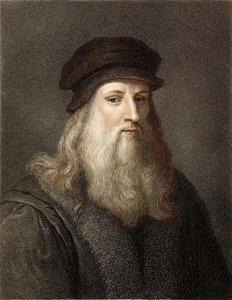
레오나르도 다 빈치

레오나르도 다 빈치

1452 - 1519 , 이탈리아

주요 정보

  • 국적: 이탈리아인
  • 영향을 받은 예술 사조: ['르네상스 미술']
  • 영향을 준 예술가: ['안드레아 델 베로치오']
  • 예술 사조: 고대 르네상스
  • 전체 이름: 레오나르도 다 빈치
  • 주요 작품:
    • 모나리자
    • 최후의 만찬
    • 비트루비우스 인간
  • 출생일: 1452년 4월 15일