x































작품의 원본 비율을 유지하는 미리 설정된 크기 중에서 선택하세요.

특정 프레임이나 공간에 맞춰 직접 치수를 입력하실 수 있습니다. 선택하신 사이즈가 원본 이미지의 비율과 일치하지 않을 경우, 작품을 크롭(자르기)하거나 이미지를 대칭 또는 단색 채우기로 확장하여 제작합니다. 제작 시작 전, 최종 확인을 위해 디지털 목업이 전송됩니다.
화면상의 미리보기는 실제 크롭이나 확장 상태를 반영하지 않으므로, 최종 구도는 오직 목업을 통해서만 정확하게 확인하실 수 있습니다.
맞춤 사이즈 제작도 가능하지만, 원본 비율을 유지하기 위해서는 사전 정의된 목록에서 치수를 선택하시는 것을 권장합니다.

Ceiling decoration
복제본 크기
Within the imposing Castello Sforzesco in Milan resides a fresco that transcends mere decoration—it is a meticulously crafted microcosm, a testament to Leonardo da Vinci’s boundless curiosity and artistic genius. Known as “Sala delle Asse” (Room of the Tower), this ceiling decoration, completed between 1496 and 1498, represents far more than just a painted surface; it embodies a profound exploration of nature, geometry, and the human condition. Commissioned by Ludovico Sforza, Duke of Milan, as part of his ambitious plan to transform the castle into a family mausoleum, the fresco was initially intended to adorn the chapel’s vaulted ceiling. Leonardo, already a celebrated artist in Florence, was invited to Milan, where he found himself unexpectedly tasked with this monumental project – a shift from his usual focus on portraiture and narrative scenes.
The creation of “Sala delle Asse” coincided with a pivotal moment in Leonardo’s career. He had recently completed the ‘Last Supper,’ a work that demanded an entirely new approach to painting—one that prioritized capturing fleeting expressions and dramatic moments rather than traditional, idealized representations. This experience undoubtedly informed his meticulous planning for the ceiling, which he approached with the same scientific rigor and observational acuity that characterized his anatomical studies and engineering designs. The project’s timeline was fraught with challenges; Leonardo's inconsistent schedule and frequent revisions led to a protracted process, ultimately requiring significant intervention from assistants.
What immediately captivates the viewer is the astonishing illusion of depth and space created within the relatively small confines of the Sala delle Asse. Leonardo masterfully employs a complex system of perspective to render a dense, interwoven forest that appears to erupt from the walls themselves. The composition is dominated by towering tree trunks, their branches reaching upwards towards the lunettes (triangular spaces) above, forming a verdant canopy that blankets the ceiling. Interspersed amongst these colossal trees are delicate flowering plants and fruiting vines, creating a vibrant tapestry of life.
Leonardo’s technique is equally remarkable. He utilized tempera paint on a gessoed wall, a method less forgiving than fresco painting, allowing for greater flexibility in altering the design as he worked. The meticulous layering of colors and the subtle blending create an astonishingly realistic effect—one that invites the viewer to step into this imagined woodland realm. The use of monochrome elements – particularly the roots penetrating layers of rock – adds a layer of symbolic depth, hinting at themes of growth, decay, and the interconnectedness of all things.
Beyond its purely aesthetic qualities, “Sala delle Asse” is rich in symbolism. The forest itself can be interpreted as a metaphor for the human soul—a complex and dynamic entity constantly striving for growth and enlightenment. The intertwining branches represent the interconnectedness of all living things, while the flowering plants symbolize beauty, fertility, and spiritual renewal. The presence of roots suggests an underlying connection to the earth, reminding us of our origins and grounding.
Leonardo’s fascination with nature is evident throughout the fresco. He meticulously studied plant life, documenting its forms and patterns in his notebooks. “Sala delle Asse” can be seen as a culmination of this research—a visual representation of his deep understanding of the natural world. The composition also subtly references classical mythology, particularly the story of Daphne, who transformed herself into a laurel tree to escape Apollo’s pursuit. This allusion adds another layer of meaning to the fresco, suggesting themes of transformation and metamorphosis.
“Sala delle Asse” is more than just a beautiful painting; it's an immersive experience—a testament to Leonardo da Vinci’s unparalleled artistic vision. The fresco evokes a sense of awe, wonder, and quiet contemplation. The sheer scale of the composition, combined with its intricate detail and masterful illusionism, creates a truly unforgettable spectacle. It is a reminder of the power of art to transport us beyond our everyday lives and into realms of imagination and beauty.
Today, “Sala delle Asse” continues to captivate audiences around the world. Reproductions of this extraordinary fresco offer a glimpse into Leonardo’s genius—a chance to experience firsthand the magic of his creative mind. Whether viewed in person or through a high-quality print, this masterpiece remains a timeless symbol of human ingenuity and artistic achievement.


1452 - 1519 , 이탈리아

Commission breathtaking bespoke fantasy art with skilled oil painters. Explore techniques, artist selection & preservation tips. Invest in a unique masterpiece today!

Transform your cherished photos into timeless oil paintings with Most-Famous-Paintings's expert artists. Museum-quality reproductions & custom portraits, crafted to last a lifetime. Discover the art of personal legacy.

Explore 10 Renaissance Humanism masterpieces by Leonardo da Vinci, Michelangelo & Raphael. Discover the stories behind these iconic paintings & sculptures and bring timeless art into your home with museum-quality reproductions from Most-Famous-Paintings.com. Explore the full collection online!
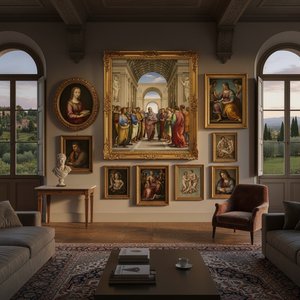
라파엘의 걸작 25선을 만나보세요. 르네상스 시대 예술가의 섬세한 기법과 영혼을 담은 명화들을 감상하고, 아테네 학당, 천사의 학교 등 대표 작품의 숨겨진 이야기를 Most-Famous-Paintings에서 확인하세요. 고급 아트 프린트로 공간에 우아함을 더해보세요! 지금 바로 컬렉션을 탐험하세요.

Journey through art history with our Top 10 oil paintings! Explore iconic works by Van Gogh, Monet & Rembrandt. Discover timeless masterpieces and find museum-quality reproductions for your home at .


최신 미술 뉴스, 특별 혜택 및 인테리어 아이디어를 가장 먼저 만나보세요.
프로젝트에 대해 알려주시면 저희 미술 전문가들이 맞춤형 아트 제안 3가지를 전달해 드립니다.
당신만을 위한 맞춤형 옵션 3가지를 무료로 추천해 드립니다!


 작품 구매하기
 공유하기
공유하기 공유하기
공유하기
 상세 정보
상세 정보

 다운로드
다운로드
 유사 작품
유사 작품 X-레이
X-레이 슬라이드 쇼

 더 보기
더 보기









 유리 옵션은 110cm 미만 크기에서만 선택 가능합니다.