x
원하는 크기와 액자로 주문 제작되는, 작가들이 직접 캔버스에 손으로 그린 유화 작품입니다. ( 프린트 주문으로 전환 이미지로 전환)





























작품의 원본 비율을 유지하는 미리 설정된 크기 중에서 선택하세요.

특정 프레임이나 공간에 맞도록 직접 크기를 입력할 수 있습니다. 선택하신 크기가 원본 이미지의 비율과 일치하지 않는 경우, 작품을 자르거나 추가적인 손으로 그린 요소를 사용하여 그림을 확장합니다. 제작 시작 전 승인을 위해 디지털 목업을 보내드립니다.
화면 미리 보기는 실제 자르기 또는 확장을 반영하지 않습니다. 최종 구성은 목업을 통해서만 정확하게 확인하실 수 있습니다.
맞춤 크기 제작도 가능하지만, 원본 비율을 유지하기 위해 사전 정의된 목록에서 크기를 선택하시는 것을 권장합니다.

Flower study
복제본 크기
Leonardo da Vinci’s “Flower Study,” created around 1503, is more than just a botanical illustration; it’s a window into the mind of one of history’s greatest polymaths. This ink drawing showcases Da Vinci’s meticulous observation skills and his profound appreciation for the natural world. The study features an array of flowers rendered with remarkable detail, demonstrating not only artistic talent but also scientific curiosity.
The "Flower Study" exemplifies the High Renaissance style, characterized by a focus on realism, proportion, and harmony. Da Vinci’s masterful use of ink allows for delicate lines and subtle shading, capturing the intricate details of each petal and stem. Unlike many artists who used color to define form, Da Vinci relied on line work and tonal variations to create depth and texture. The absence of color forces the viewer to focus intently on the structure and form of the flowers, highlighting their inherent beauty. The technique employed is primarily pen and ink drawing, a medium that allowed for precise detail and subtle gradations in tone.
This artwork emerged during the High Renaissance (roughly 1490-1527), a period of intense artistic and intellectual flourishing in Europe. The Renaissance saw a renewed interest in classical learning, including natural philosophy and botany. Da Vinci’s work reflects this broader cultural shift towards empirical observation and scientific inquiry. Prior to this era, botanical illustrations were often stylized or symbolic rather than realistic depictions. Da Vinci's approach was revolutionary; he sought to understand and represent the natural world with unprecedented accuracy. The Cinquecento Art Movement further emphasized detailed realism and a focus on humanism and nature.
While seemingly straightforward as a botanical study, the "Flower Study" carries deeper symbolic weight. Flowers have long been associated with themes of beauty, fragility, and transience – all concepts that resonated deeply within Renaissance thought. Da Vinci’s meticulous rendering suggests a reverence for life and an appreciation for the ephemeral nature of existence. The emotional impact is one of quiet contemplation; the viewer is invited to pause and appreciate the intricate details of these delicate blooms. The study evokes a sense of peace and tranquility, reflecting the artist's own pursuit of harmony and balance in all aspects of his work.
Leonardo da Vinci’s "Flower Study" remains an important piece of art history for several reasons. It demonstrates his exceptional artistic skill and scientific curiosity. It also represents a significant shift in the way artists approached botanical illustration, paving the way for more accurate and detailed depictions of plants. The study continues to inspire artists and scientists alike, serving as a testament to the power of observation and the enduring beauty of the natural world.

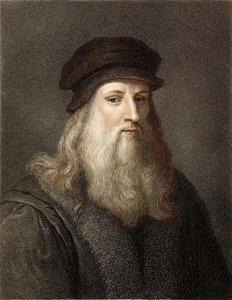
1452 - 1519 , 이탈리아
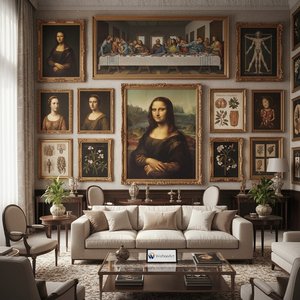
레오나르도 다 빈치의 시대를 초월하는 25개의 명작을 만나보세요. 모나리자, 최후의 만찬 등 예술과 과학이 융합된 걸작들의 숨겨진 이야기와 기법을 탐험합니다. Most-Famous-Paintings.com에서 고품질 미술 작품을 감상하고 특별한 인테리어 영감을 얻으세요.

Explore 10 Renaissance Humanism masterpieces by Leonardo da Vinci, Michelangelo & Raphael. Discover the stories behind these iconic paintings & sculptures and bring timeless art into your home with museum-quality reproductions from Most-Famous-Paintings.com. Explore the full collection online!

Explore Leonardo da Vinci’s timeless masterpieces with Most-Famous-Paintings. Discover insights into his art, science, and legacy – trusted expertise for discerning collectors seeking authentic reproductions & investment opportunities.
루브르 박물관 최고 걸작 25선을 만나보세요. 모나리자, 빈센트 반 고흐 등 유명 화가들의 숨겨진 이야기와 예술 기법을 탐험하고, 프랑스 미술의 정수를 느껴보세요. Most-Famous-Paintings.com에서 고품질 미술 복제품과 인테리어 아이디어를 찾아보세요.

피렌체 우피치 미술관 최고 걸작 25선을 만나보세요. 빈치, 보티첼리, 미켈란젤로 등 거장들의 숨겨진 이야기와 르네상스 회화의 아름다움을 탐험합니다. Most-Famous-Paintings.com에서 명화 복제본과 예술 작품 인테리어 아이디어를 찾아보세요.


최신 미술 뉴스, 특별 혜택 및 인테리어 아이디어를 가장 먼저 만나보세요.
프로젝트에 대해 알려주시면 저희 미술 전문가들이 맞춤형 아트 제안 3가지를 전달해 드립니다.
당신만을 위한 맞춤형 옵션 3가지를 무료로 추천해 드립니다!


 공유하기
공유하기 공유하기
공유하기
 상세 정보
상세 정보

 다운로드
다운로드
 유사 작품
유사 작품 슬라이드 쇼

 더 보기
더 보기









 유리 옵션은 110cm 미만 크기에서만 선택 가능합니다.