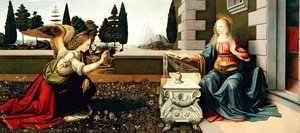
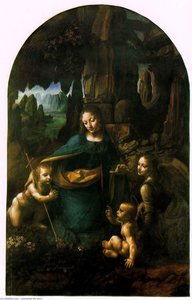
x
 OilWallArtHigh Renaissance
 1494Renaissance
 266.0 x 214.0 cm
 Royal Library
빠른 제작과 다양한 마감 옵션을 제공하는 박물관 품질의 지클레이 또는 캔버스 프린트. ( 손으로 그린 그림 구매 이미지 구매)





























작품의 원본 비율을 유지하는 미리 설정된 크기 중에서 선택하세요.

특정 프레임이나 공간에 맞춰 직접 치수를 입력하실 수 있습니다. 선택하신 사이즈가 원본 이미지의 비율과 일치하지 않을 경우, 작품을 크롭(자르기)하거나 이미지를 대칭 또는 단색 채우기로 확장하여 제작합니다. 제작 시작 전, 최종 확인을 위해 디지털 목업이 전송됩니다.
화면상의 미리보기는 실제 크롭이나 확장 상태를 반영하지 않으므로, 최종 구도는 오직 목업을 통해서만 정확하게 확인하실 수 있습니다.
맞춤 사이즈 제작도 가능하지만, 원본 비율을 유지하기 위해서는 사전 정의된 목록에서 치수를 선택하시는 것을 권장합니다.

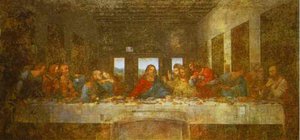
Study for the Last Supper
복제본 크기
To encounter Leonardo da Vinci's Study for the Last Supper is to step directly into the workshop of a genius, witnessing the raw, electric moment before a masterpiece was solidified. Created around 1494, this profound preparatory work serves as much more than a mere sketch; it is a window into the psychological architecture of the High Renaissance. While the final mural in Milan captures the monumental scale of the event, this study offers an intimate, almost whispered meditation on faith and human frailty. It captures the precise instant where the divine intersects with the mortal, as Leonardo meticulously maps out the complex web of emotions that would soon define one of history's most iconic compositions.
The subject matter is deeply rooted in the Christian tradition, depicting the pivotal moment of the Passover meal where Jesus Christ reveals his impending betrayal. However, through Leonardo’s eyes, the scene transcends simple religious iconography. He focuses intensely on the humanity of the apostles—their startled gestures, their furrowed brows, and the palpable tension that ripples through the group. It is a study of motion and reaction, an attempt to freeze the very essence of shock and devotion within a single, unified frame.
Technically, this work showcases Leonardo’s unparalleled command over sfumato, his signature technique of soft, smoky transitions. Rather than relying on harsh, definitive outlines, the artist employs subtle gradations of tone to blur the boundaries between figures and their environment. This creates an ethereal, dreamlike atmosphere where light seems to emerge from within the subjects themselves. The delicate application of medium—often involving pen, ink, and subtle washes—allows for a depth of shadow that gives the composition a sculptural, three-dimensional quality.
For the discerning collector or interior designer, the aesthetic value of this study lies in its sophisticated use of chiaroscuro. The interplay between light and dark does not merely provide structure; it directs the viewer's eye through the narrative, pulling attention to the central figure of Christ while allowing the peripheral apostles to recede into a mysterious, atmospheric gloom. This technique lends the piece an enduring elegance that complements both classical and contemporary spaces, offering a sense of profound intellectual depth.
The historical context of this study is inseparable from the spirit of the uomo universale—the universal man. Working under the patronage of Ludovico Sforza in Milan, Leonardo was simultaneously a scientist, an engineer, and an artist. This duality is evident in the meticulous attention to anatomical accuracy and spatial perspective found within the sketch. Every hand gesture and facial expression is calculated with scientific precision to evoke a specific emotional response, making the work a triumph of both observation and imagination.
Owning a high-quality reproduction of this study allows one to bring a piece of the Renaissance soul into a modern setting. It is an invitation to contemplate the complexities of human interaction and the eternal search for meaning. Whether placed in a quiet study, a grand gallery, or a curated living space, this artwork serves as a powerful focal point, inspiring awe through its historical weight and captivating all who linger before its enigmatic, shadowed beauty.
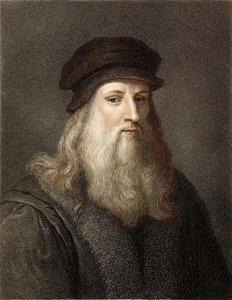
1452 - 1519 , 이탈리아

Explore the profound genius of the Renaissance Trinity. Delve into a comparative study of Leonardo da Vinci, Michelangelo, and Raphael, uncovering their unique contributions to art history, technique, and the enduring legacy of Italian High Renaissance mastery.
Explore the profound history and technical mastery of fresco painting. From ancient Roman murals to Michelangelo's Sistine Chapel, discover the enduring chemistry and artistry behind this timeless wall painting technique used by the world's greatest masters.


최신 미술 뉴스, 특별 혜택 및 인테리어 아이디어를 가장 먼저 만나보세요.
프로젝트에 대해 알려주시면 저희 미술 전문가들이 맞춤형 아트 제안 3가지를 전달해 드립니다.
당신만을 위한 맞춤형 옵션 3가지를 무료로 추천해 드립니다!


 미리보기
미리보기
 공유하기
공유하기 공유하기
공유하기
 상세 정보
상세 정보

 다운로드
다운로드
 유사 작품
유사 작품 X-레이
X-레이 슬라이드 쇼
 더 보기
더 보기









 유리 옵션은 110cm 미만 크기에서만 선택 가능합니다.