x
 Tempera On PanelLate Gothic-Early Renaissance
 1395Late Medieval
 215.0 x 163.0 cm
 슈타틸리체 무제엔
빠른 제작과 다양한 마감 옵션을 제공하는 박물관 품질의 지클레이 또는 캔버스 프린트. ( 손으로 그린 그림 구매 이미지 구매)
작품의 원본 비율을 유지하는 미리 설정된 크기 중에서 선택하세요.

특정 프레임이나 공간에 맞춰 직접 치수를 입력하실 수 있습니다. 선택하신 사이즈가 원본 이미지의 비율과 일치하지 않을 경우, 작품을 크롭(자르기)하거나 이미지를 대칭 또는 단색 채우기로 확장하여 제작합니다. 제작 시작 전, 최종 확인을 위해 디지털 목업이 전송됩니다.
화면상의 미리보기는 실제 크롭이나 확장 상태를 반영하지 않으므로, 최종 구도는 오직 목업을 통해서만 정확하게 확인하실 수 있습니다.
맞춤 사이즈 제작도 가능하지만, 원본 비율을 유지하기 위해서는 사전 정의된 목록에서 치수를 선택하시는 것을 권장합니다.

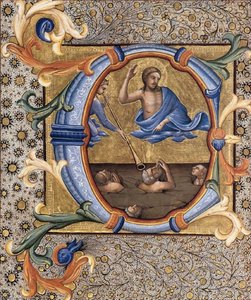
Antiphonary (Cod. Cor. 8, folio 102)
복제본 크기
Lorenzo Monaco's "Antiphonary (Cod. Cor. 8, folio 102)," crafted in 1395, stands as a remarkable testament to the artistic and spiritual landscape of early Renaissance Italy. Housed within the esteemed Staatliche Museen zu Berlin, this tempera masterpiece offers a profound window into the devotional practices and aesthetic sensibilities of the era.
The painting centers on Jesus Christ, depicted with striking detail and imbued with an aura of serenity. He holds a book, a potent symbol representing divine knowledge and wisdom, his gaze directed downwards in contemplation of its sacred text. The figure's long hair and flowing red robe contribute to the overall sense of reverence and introspection. While other figures are present in the background, they remain secondary to Christ’s central role. The composition is elegantly framed by an ornate border, enhancing the visual appeal and emphasizing the artwork's importance.
Lorenzo Monaco (1370-1425), born Piero di Giovanni in Siena, was a pivotal figure bridging late Gothic and early Renaissance art. His style uniquely blended traditional Byzantine influences with emerging Renaissance techniques. He spent much of his career within the Camaldolese monastery of Santa Maria degli Angeli, where he produced illuminated manuscripts like this antiphonary page. This work exemplifies Monaco’s ability to create pieces that reflected both periods, showcasing a transition in artistic styles and themes.
“Antiphonary (Cod. Cor. 8, folio 102)” is executed in tempera on parchment, a common medium for illuminated manuscripts of the period. The use of vibrant pigments creates a rich color palette dominated by warm tones – reds, golds, and browns – accented with blues and greens. The application of gold leaf adds luminosity and enhances the spiritual quality of the artwork. The meticulous line work and decorative ornamentation are characteristic of Gothic manuscript illumination.
“Antiphonary (Cod. Cor. 8, folio 102)” evokes a sense of profound devotion and reverence. The artwork’s meticulous detail, vibrant colors, and symbolic imagery invite contemplation and reflection on spiritual themes. As a bridge between medieval and Renaissance art, it offers valuable insights into the evolution of artistic expression and cultural values during a transformative period in European history.


1370 - 1425 , 이탈리아
Explore the exquisite elegance of International Gothic art. Discover the mastery of illuminated manuscripts, the brilliance of gold leaf, and the legacy of the Limbourg Brothers in this expert guide to Europe's sophisticated medieval dawn.

Embark on a journey through the dramatic era of Gothic art. Discover the profound beauty of illuminated manuscripts, sacred gold leaf masterpieces, and the transition to naturalism in this expert-led exploration of medieval artistry and historical grandeur.

Explore the rich history & techniques of tempera painting! Discover Renaissance masters like Botticelli & Fra Angelico, conservation insights, and the enduring legacy of this captivating art form. Learn more now!

Step into the luminous world of egg tempera painting. Explore the sacred history, meticulous techniques, and enduring glow of this medieval masterpiece medium, from illuminated manuscripts to the timeless legacy of the Old Masters.

Embark on a journey through time with our deep dive into the exquisite beauty of illuminated manuscripts. Discover the sacred artistry, precious materials, and enduring legacy of medieval illumination in this cultural exploration for history lovers.


최신 미술 뉴스, 특별 혜택 및 인테리어 아이디어를 가장 먼저 만나보세요.
프로젝트에 대해 알려주시면 저희 미술 전문가들이 맞춤형 아트 제안 3가지를 전달해 드립니다.
당신만을 위한 맞춤형 옵션 3가지를 무료로 추천해 드립니다!


 미리보기
미리보기
 공유하기
공유하기 공유하기
공유하기
 상세 정보
상세 정보

 다운로드
다운로드
 유사 작품
유사 작품 X-레이
X-레이 슬라이드 쇼
 더 보기
더 보기






































 유리 옵션은 110cm 미만 크기에서만 선택 가능합니다.