


x
작품의 원본 비율을 유지하는 미리 설정된 크기 중에서 선택하세요.

특정 프레임이나 공간에 맞도록 직접 크기를 입력할 수 있습니다. 선택하신 크기가 원본 이미지의 비율과 일치하지 않는 경우, 작품을 자르거나 추가적인 손으로 그린 요소를 사용하여 그림을 확장합니다. 제작 시작 전 승인을 위해 디지털 목업을 보내드립니다.
화면 미리 보기는 실제 자르기 또는 확장을 반영하지 않습니다. 최종 구성은 목업을 통해서만 정확하게 확인하실 수 있습니다.
맞춤 크기 제작도 가능하지만, 원본 비율을 유지하기 위해 사전 정의된 목록에서 크기를 선택하시는 것을 권장합니다.

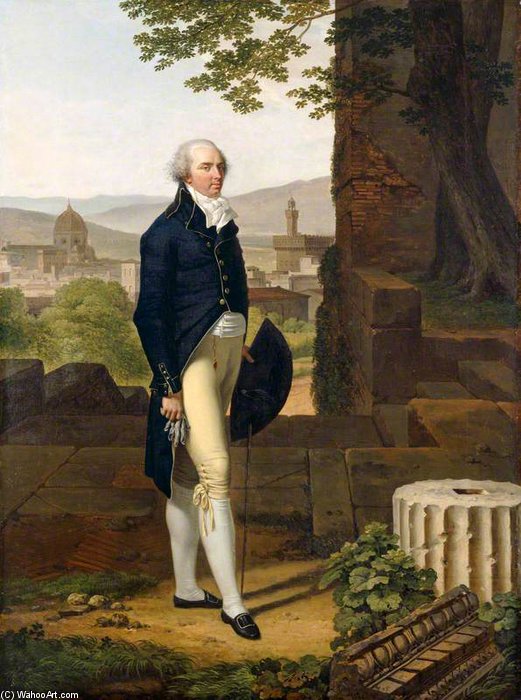
Godfrey Webster
복제본 크기

The life of Louis Gauffier was a poignant tapestry woven from the threads of classical grandeur and the turbulent realities of a continent in upheaval. Born in 1762 in the quiet French city of Poitiers, Gauffier’s early years were defined by a rigorous pursuit of excellence under the watchful eye of the esteemed history painter Hugues Taraval. This foundational training in Paris instilled within him a profound respect for classical composition and the meticulous observation of detail—virtues that would later allow him to capture both the epic scale of biblical narratives and the intimate nuances of a human face. His ascent was swift; by winning the prestigious Prix de Rome in 1779 with his evocative work, Christ and the Woman of Canaan, Gauffier secured his passage to Italy, a move that would irrevocably alter the trajectory of his soul and his brush.
As he settled into the vibrant artistic atmosphere of Rome, Gauffier found himself at the intersection of antiquity and modernity. The influence of figures like Thomas Hope, a collector of immense breadth, expanded his artistic horizons beyond the mere imitation of the past. Through such encounters, Gauffier’s work began to absorb the textures of antique décor and the elegance of classical motifs. However, the winds of the French Revolution brought with them a chilling instability. The execution of Louis XVI and the subsequent political tremors forced Gauffier into a life of exile. Fleeing the escalating tensions in Paris, he and his wife, the talented painter Pauline Chatillon, sought refuge in Florence. This period of displacement, while fraught with personal uncertainty, became the crucible in which his most enduring style was forged.
In the sun-drenched landscapes of Tuscany, Gauffier found a sanctuary that political turmoil could not touch. Denied the traditional French patronage due to his branding as a royalist, he pivoted from the grand, often demanding stage of history painting toward the serene and enduring beauty of the natural world. This transition was not merely a survival tactic but an artistic evolution. He began to produce landscapes that resonated deeply with the sensibilities of English tourists traversing the continent, capturing the ethereal light and pastoral tranquility of the Italian countryside. His canvases became windows into a world of peace, characterized by a masterful command of color and a luminosity reminiscent of the great Claude Lorrain.
His later years in Italy saw a fascinating stylistic duality. While his landscapes offered a respite from the chaos of the Napoleonic era, the arrival of French troops in Florence in 1799 prompted a return to the human figure through portraiture. He became a sought-after painter of officers, capturing the military elegance and the subtle psychological depth of those stationed in Italy. This period of his work showcases a remarkable versatility:
Though his life was cut short in 1801 in Livorno, Louis Gauffier left behind a legacy that transcends the mere documentation of a turbulent era. He remains a vital link in the chain of Neoclassical art, representing the bridge between the formal academic traditions of late 18th-century France and the romanticized, light-filled landscapes of the Italian tradition. His ability to find beauty amidst displacement—to transform the necessity of exile into an opportunity for stylistic rebirth—serves as a testament to the resilience of the creative spirit. Today, his works stand as silent witnesses to a vanished world, inviting modern viewers to experience the same sense of wonder and tranquility that once guided his brush across the Tuscan plains.

1762 - 1801 , France


최신 미술 뉴스, 특별 혜택 및 인테리어 아이디어를 가장 먼저 만나보세요.
프로젝트에 대해 알려주시면 저희 미술 전문가들이 맞춤형 아트 제안 3가지를 전달해 드립니다.
당신만을 위한 맞춤형 옵션 3가지를 무료로 추천해 드립니다!


 미리보기
미리보기
 프린트 구매
 공유하기
공유하기 공유하기
공유하기
 상세 정보
상세 정보

 다운로드
다운로드
 유사 작품
유사 작품 X-레이
X-레이 슬라이드 쇼
 더 보기
더 보기






































 유리 옵션은 110cm 미만 크기에서만 선택 가능합니다.


