Daphnis and Chloe
Marc Chagall’s
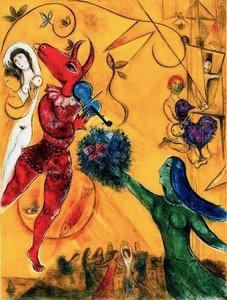
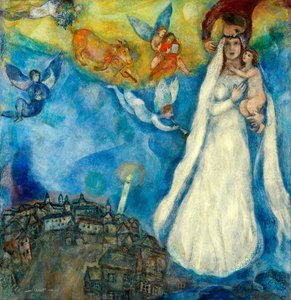
Daphnis and Chloe is a captivating watercolor painting that embodies the essence of Primitivism, an art movement characterized by its emphasis on simplicity and naivety. Created in 1911, this piece measures 17 x 21 cm and showcases Chagall’s unique style, blending elements of fantasy and reality. It's a testament to the enduring power of folklore and myth rendered with breathtaking visual grace.
The Naïve Art Movement
Primitivism, also known as Naïve Art, is a style that emerged in the early 20th century. It distinguishes itself from academic art traditions by rejecting formal training and prioritizing emotional expression over meticulous representation. Artists embracing this movement sought liberation from convention, favoring intuitive approaches rooted in observation of the natural world and personal experience—a deliberate rejection of stylistic constraints. Chagall’s embrace of Primitivism is palpable throughout Daphnis and Chloe, informing its dreamlike atmosphere and vibrant color palette.
Chagall's Style
Marc Chagall was a pivotal figure within this movement. His canvases frequently depict fantastical landscapes populated by figures imbued with symbolic significance—often drawn from Jewish folklore and biblical narratives. In
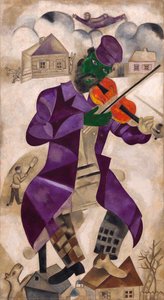
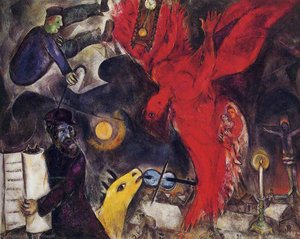
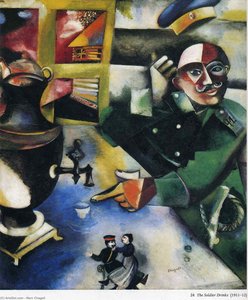
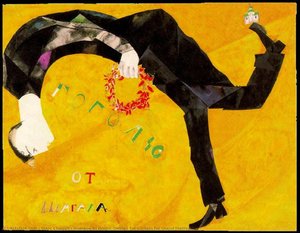
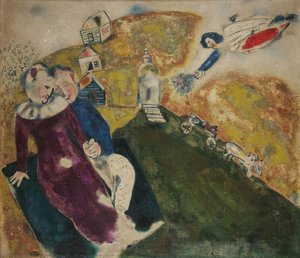
Daphnis and Chloe, Chagall meticulously captures a lush forest scene brimming with horses, people, and birds. The painting’s fluid brushstrokes convey a sense of movement and energy, mirroring the dynamism inherent in pastoral life—a deliberate contrast to the rigid geometries favored by earlier artistic styles. Notice how Chagall utilizes color not merely for decorative effect but as a vehicle for conveying emotion; the dominant hues evoke feelings of serenity and wonder.
Key Elements of the Painting
- Horses: Two prominent horses dominate the composition, positioned on either side of the frame. These animals are depicted with an almost ethereal quality—a symbol of freedom and grace, reflecting Chagall’s fascination with biblical imagery and Jewish tradition. Their placement contributes to the painting's overall balance and visual harmony.
- People: Scattered throughout the scene are figures representing humanity—some standing near the horses while others gaze into the distance. They serve as anchors for the viewer’s eye, grounding the fantastical elements of the landscape in relatable human experience. Chagall portrays these individuals with expressive faces, conveying a range of emotions that deepen the painting's narrative impact.
- Birds: A bird perched on a tree branch towards the top right and another soaring above the central frame enhance the sense of movement and vitality within the artwork. Birds are universally recognized as symbols of aspiration and transcendence—a motif frequently explored by Chagall in his oeuvre, underscoring themes of spirituality and renewal.
Relevance and Influence
Chagall’s work, including
Daphnis and Chloe, exerted considerable influence on subsequent generations of artists—particularly Surrealists who admired its imaginative vision and rejection of rational constraints. Its dreamlike aesthetic continues to inspire contemporary creators seeking to communicate profound emotions through unconventional artistic techniques.
Conclusion
The Naïve Art (Primitivism) Art Movement on Most-Famous-Paintings encapsulates the spirit of Daphnis and Chloe—a celebration of simplicity, imagination, and the enduring beauty of mythic storytelling. For those drawn to Chagall’s distinctive style or interested in exploring the broader context of Primitivism, delve deeper into
Marc Chagall: Daphnis and Chloe on Most-Famous-Paintings. Explore more of Chagall’s masterpieces at
Marc Chagall: Moses and Aaron,
Marc Chagall: David with the Head of Goliath, comes to Saul (I Samuel XVII, 55 58) and
Marc Chagall: Moses casts his stick that transformed into a snake on the orders of the Lord, that referred to Aaron and Moses, when they had visited Pharaoh (Exodus IV, 1-5, VII, 8-13). Discover more about Marc Chagall and other artists at
Most-Famous-Paintings.