x
빠른 제작과 다양한 마감 옵션을 제공하는 박물관 품질의 지클레이 또는 캔버스 프린트. ( 손으로 그린 그림 구매 이미지 구매)





























작품의 원본 비율을 유지하는 미리 설정된 크기 중에서 선택하세요.

특정 프레임이나 공간에 맞춰 직접 치수를 입력하실 수 있습니다. 선택하신 사이즈가 원본 이미지의 비율과 일치하지 않을 경우, 작품을 크롭(자르기)하거나 이미지를 대칭 또는 단색 채우기로 확장하여 제작합니다. 제작 시작 전, 최종 확인을 위해 디지털 목업이 전송됩니다.
화면상의 미리보기는 실제 크롭이나 확장 상태를 반영하지 않으므로, 최종 구도는 오직 목업을 통해서만 정확하게 확인하실 수 있습니다.
맞춤 사이즈 제작도 가능하지만, 원본 비율을 유지하기 위해서는 사전 정의된 목록에서 치수를 선택하시는 것을 권장합니다.

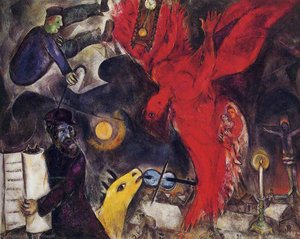
Return from the Synagogue
복제본 크기
In the quiet, monochrome depths of Marc Chagall’s 1926 masterpiece, "Return from the Synagogue," we find ourselves transported not merely to a snowy street in Vitebsk, but into the very heart of an artist's subconscious. This evocative work serves as a profound testament to Chagall’s enduring fascination with Jewish folklore and the transformative power of dreamlike imagery. As one gazes upon the figures navigating the wintry landscape, the painting transcends its physical subject matter to become an immersive experience—a meditation on faith, displacement, and the resilient preservation of cultural heritage. The absence of color does not diminish the work; rather, it strips away the distractions of the material world, leaving behind a raw, emotional essence that invites deep contemplation.
The stylistic brilliance of this piece lies in its seamless blend of Surrealist Expressionism. Chagall famously eschewed the rigid constraints of meticulous realism, opting instead for distorted figures and fantastical landscapes that align with the avant-garde spirit of his era. Through bold, energetic brushstrokes and a deliberate layering of paint, he creates a surface texture that feels palpable, almost alive. Even within this black and white composition, there is a sense of luminous depth, a technique honed during his early years as a sign painter where precision and light were paramount. The movement of the pedestrians, the presence of a solitary dog, and even the small detail of a book resting on the ground all contribute to a rhythmic, flowing narrative that captures the pulse of community life.
To understand the soul of "Return from the Synagogue," one must look toward the turbulent historical context of its creation. Emerging from the shadows of the 1923 siege of Vitebsk by Polish forces, the painting is imbued with the political tensions of the post-Bolshevik Revolution era. Chagall’s involvement in artistic protests, such as "The White Guard," deeply informed his preoccupation with themes of exile and survival. Every figure walking through the snow carries the weight of this history; their togetherness amidst the biting cold serves as a powerful symbol of communal strength against the encroating forces of displacement. The painting captures a moment where the personal and the political collide, turning a simple walk home into an act of cultural defiance.
For the discerning collector or interior designer, this reproduction offers more than just aesthetic beauty; it provides a focal point of profound emotional gravity. The piece possesses a unique ability to anchor a room with its somber yet hopeful atmosphere, making it an ideal selection for spaces dedicated to reflection, study, or sophisticated storytelling. It is a work that rewards repeated viewing, revealing new layers of symbolism—from the spiritual weight of the synagogue journey to the quiet, whimsical elements of Chagall’s dreamscape—ensuring that it remains a captivating conversation piece for generations to come.
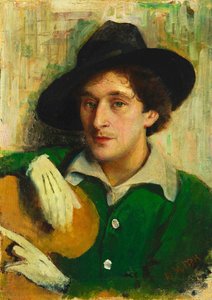
1887 - 1985 , 벨라루스

Explore the profound artistry of black and white photography. From the chemistry of gelatin silver to the chiaroscuro of the Old Masters, discover how monochrome captures the eternal essence of light, form, and emotion for the discerning art collector.


최신 미술 뉴스, 특별 혜택 및 인테리어 아이디어를 가장 먼저 만나보세요.
프로젝트에 대해 알려주시면 저희 미술 전문가들이 맞춤형 아트 제안 3가지를 전달해 드립니다.
당신만을 위한 맞춤형 옵션 3가지를 무료로 추천해 드립니다!


 미리보기
미리보기
 공유하기
공유하기 공유하기
공유하기
 상세 정보
상세 정보

 다운로드
다운로드
 유사 작품
유사 작품 X-레이
X-레이 슬라이드 쇼

 더 보기
더 보기









 유리 옵션은 110cm 미만 크기에서만 선택 가능합니다.