x

 캔버스에 유채월아트Expressionism
 1932근현대
 73.0 x 92.0 cm
 Tel Aviv Museum of Art
빠른 제작과 다양한 마감 옵션을 제공하는 박물관 품질의 지클레이 또는 캔버스 프린트. ( Switch to hand made Painting Switch to Image)





























작품의 원본 비율을 유지하는 미리 설정된 크기 중에서 선택하세요.

특정 프레임이나 공간에 맞춰 직접 치수를 입력하실 수 있습니다. 선택하신 사이즈가 원본 이미지의 비율과 일치하지 않을 경우, 작품을 크롭(자르기)하거나 이미지를 대칭 또는 단색 채우기로 확장하여 제작합니다. 제작 시작 전, 최종 확인을 위해 디지털 목업이 전송됩니다.
화면상의 미리보기는 실제 크롭이나 확장 상태를 반영하지 않으므로, 최종 구도는 오직 목업을 통해서만 정확하게 확인하실 수 있습니다.
맞춤 사이즈 제작도 가능하지만, 원본 비율을 유지하기 위해서는 사전 정의된 목록에서 치수를 선택하시는 것을 권장합니다.

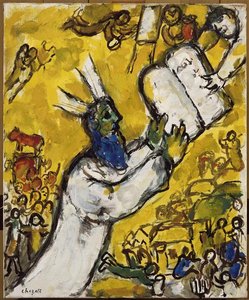
The Wailing Wall
복제본 크기
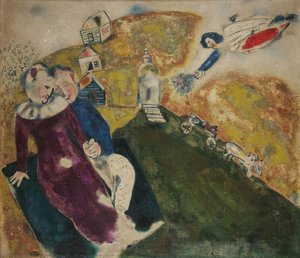
In the quiet, textured expanse of Marc Chagall’s 1932 masterpiece, The Wailing Wall, the viewer is not merely looking at a depiction of a historical site, but is instead invited into a profound moment of spiritual communion. The painting centers on the monumental stones of the Western Wall in Jerusalem, known as the Kotel, which dominate the composition with an imposing, ancient presence. Chagall does not present the wall as a cold, architectural relic; rather, through his masterful use of light and shadow, he breathes life into the limestone, making the very stones feel heavy with the weight of centuries of prayer. Scattered subtly throughout this sacred landscape are small, delicate figures—individuals lost in quiet contemplation, reading, or bowing in reverence. These figures serve as a poignant reminder that while the wall is a massive, enduring monument, its true essence lies in the intimate, personal connection between the human spirit and the divine.
The technique employed in this oil on canvas reflects Chagall’s unique ability to bridge the gap between realism and impressionistic dreamscapes. Eschewing the rigid precision of academic painting, Chagall utilizes loose, expressive brushstrokes that create a dynamic, tactile surface. This layered approach allows light to appear as if it is diffusing through an overcast sky, casting a soft, ethereal glow over the scene. The palette is intentionally muted, favoring earthy tones and subtle shadows that emphasize the uneven, weathered textures of the ancient masonry. For the discerning collector or interior designer, this technique offers a remarkable depth; the painting possesses a rhythmic movement that draws the eye across its surface, discovering new nuances of light and shadow with every glance.
To understand The Wailing Wall, one must look through the lens of Chagall’s own rich heritage. As a painter deeply rooted in the folklore and traditions of his Hasidic Jewish upbringing, Chagall imbues this work with layers of cultural symbolism. The Western Wall, as the last remnant of the Second Temple, stands as a powerful symbol of both profound loss and unyielding hope. It is a site where history and memory converge, acting as a bridge between generations past and the present moment. Chagall captures this duality perfectly; there is a palpable sense of solemnity and mourning within the heavy stones, yet the soft, luminous quality of his light suggests an enduring spiritual vitality.
For those seeking to incorporate art into a curated space, this piece offers more than just aesthetic beauty; it provides an emotional anchor. The painting does not rely on grand, dramatic gestures to convey its message. Instead, it finds power in the understated—in the quietude of a prayer and the stillness of a sacred site. It is an artwork that speaks of resilience, faith, and the continuity of human experience. Whether placed in a contemplative study or as a focal point in a sophisticated living space, The Wailing Wall serves as a window into a world where the boundaries between the physical and the spiritual are beautifully blurred, making it a timeless acquisition for any lover of fine art.

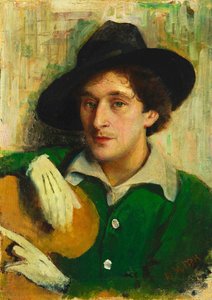
1887 - 1985 , 벨라루스
마르크 샤갈 대표작 25선을 만나보세요. 꿈과 사랑, 고향에 대한 그리움이 담긴 샤갈의 예술 세계를 탐험하고, Most-Famous-Paintings에서 명화 레플리카와 특별한 홈 데코 아이디어를 찾아보세요. 지금 바로 컬렉션을 확인하세요!

Discover the exquisite depth of oil on panel. Explore how Impressionist masters captured light and texture through tactile brushwork, and learn how to bring these museum-quality, hand-painted masterpieces into your home with expert curation.

Explore the rich history & techniques of oil painting – from Renaissance masters to Impressionism. Discover pigments, layering methods, and why this timeless medium endures. Expert insights for artists & art enthusiasts.
호텔 디자인에 프레스코를 활용하는 방법부터 기법, 트렌드까지 완벽 가이드! Most-Famous-Paintings.com에서 전문가의 아트 컨설팅을 받고 공간에 특별한 가치를 더하세요. 맞춤 제작 및 소싱 문의 환영.

Explore the rich history & enduring techniques of oil painting with Most-Famous-Paintings. Discover masterpieces, learn about art collecting, and find authentic handmade reproductions crafted by skilled artists.


최신 미술 뉴스, 특별 혜택 및 인테리어 아이디어를 가장 먼저 만나보세요.
프로젝트에 대해 알려주시면 저희 미술 전문가들이 맞춤형 아트 제안 3가지를 전달해 드립니다.
당신만을 위한 맞춤형 옵션 3가지를 무료로 추천해 드립니다!


 Preview
 공유하기
공유하기 공유하기
공유하기
 상세 정보
상세 정보

 다운로드
다운로드
 유사 작품
유사 작품 X-레이
X-레이 슬라이드 쇼
 더 보기
더 보기









 유리 옵션은 110cm 미만 크기에서만 선택 가능합니다.