x






























작품의 원본 비율을 유지하는 미리 설정된 크기 중에서 선택하세요.

특정 프레임이나 공간에 맞춰 직접 치수를 입력하실 수 있습니다. 선택하신 사이즈가 원본 이미지의 비율과 일치하지 않을 경우, 작품을 크롭(자르기)하거나 이미지를 대칭 또는 단색 채우기로 확장하여 제작합니다. 제작 시작 전, 최종 확인을 위해 디지털 목업이 전송됩니다.
화면상의 미리보기는 실제 크롭이나 확장 상태를 반영하지 않으므로, 최종 구도는 오직 목업을 통해서만 정확하게 확인하실 수 있습니다.
맞춤 사이즈 제작도 가능하지만, 원본 비율을 유지하기 위해서는 사전 정의된 목록에서 치수를 선택하시는 것을 권장합니다.

Play
복제본 크기
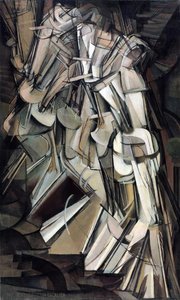
Marcel Duchamp's "Play," painted in 1902, is more than just a depiction of a woman playing tennis; it’s a carefully constructed meditation on the very nature of artistic creation and perception. This seemingly straightforward scene – a female figure poised mid-swing with a tennis racket – immediately reveals itself to be a pivotal work within Duchamp's burgeoning rebellion against traditional artistic conventions. The painting, imbued with a distinctly vintage aesthetic, speaks volumes about the artist’s evolving approach, moving beyond mere representation towards a conceptual engagement with the subject matter.
Created during a period of intense experimentation within the European art world – encompassing Impressionism, Post-Impressionism, and the nascent movements of Cubism – “Play” anticipates Duchamp’s later embrace of Dada and his groundbreaking role as one of the first conceptual artists. Duchamp's decision to paint this scene, rather than meticulously rendering it with traditional techniques, signals a deliberate shift in focus. He isn’t interested in capturing an objective reality; instead, he is exploring the *idea* of tennis, the act of play itself, and the viewer’s interpretation of that action.
Duchamp's technique in “Play” is characterized by a remarkable restraint. The brushstrokes are loose and confident, suggesting a deliberate avoidance of excessive detail. This simplicity isn’t a sign of carelessness; rather, it’s a calculated choice that amplifies the painting’s impact. The muted color palette – predominantly earthy tones with subtle hints of white – contributes to the vintage feel and adds to the overall sense of quiet contemplation. The artist's skill lies not in technical virtuosity but in his ability to distill an idea into its purest form.
Beyond the literal depiction of a tennis game, “Play” carries significant symbolic weight. The act of play itself represents a release from constraint, a moment of unburdened joy and spontaneity – qualities that Duchamp increasingly sought to explore in his work. The woman’s posture suggests both power and vulnerability, inviting viewers to consider the complexities of human experience. It's a scene frozen in time, capturing an ephemeral moment of intense concentration and potential victory.
"Play" stands as a crucial early work by Marcel Duchamp, demonstrating his nascent desire to challenge established artistic norms. Its influence can be seen throughout the 20th century, paving the way for movements like Dada and Surrealism. Today, this painting remains a powerful testament to Duchamp’s revolutionary spirit – a reminder that art can be found not just in what is created, but also in what is questioned.

1887 - 1968 , 프랑스

Explore the revolutionary art of Marcel Duchamp! Discover how his Dadaist readymades challenged artistic conventions & redefined modern art. A deep dive into 'Fountain', conceptual shifts, and his lasting impact.

Explore the revolutionary Dada art movement! Discover its origins, key artists like Duchamp & Arp, and lasting impact on modern art. A deep dive into anti-art & challenging conventions.

Explore 10 famous paintings bathed in 'Pale Goldenrod' tones! From Van Gogh’s sunflowers to Monet’s haystacks, discover the stories & artistry behind these iconic artworks. Find museum-quality reproductions and curated decor ideas at Most-Famous-Paintings.com.
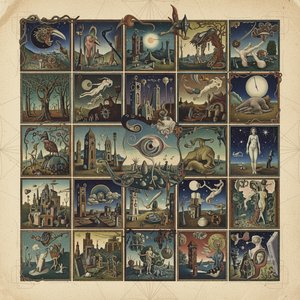
맥스 어른스트 최고 걸작 25선을 만나보세요. 초현실주의 화가 어른스트의 꿈, 무의식, 혁신적인 기법이 담긴 명화들을 감상하고, 공간에 예술적 영감을 불어넣으세요. Most-Famous-Paintings.com에서 고품질 미술 작품을 컬렉션하세요.

Discover museum-quality hand-painted art reproductions crafted with sustainable practices & ethical sourcing. Elevate your décor with timeless beauty – expertly created and customized to your vision. Explore our collection today!


최신 미술 뉴스, 특별 혜택 및 인테리어 아이디어를 가장 먼저 만나보세요.
프로젝트에 대해 알려주시면 저희 미술 전문가들이 맞춤형 아트 제안 3가지를 전달해 드립니다.
당신만을 위한 맞춤형 옵션 3가지를 무료로 추천해 드립니다!


 작품 구매하기
 공유하기
공유하기 공유하기
공유하기
 상세 정보
상세 정보

 다운로드
다운로드
 유사 작품
유사 작품 X-레이
X-레이 슬라이드 쇼

 더 보기
더 보기









 유리 옵션은 110cm 미만 크기에서만 선택 가능합니다.