x





























작품의 원본 비율을 유지하는 미리 설정된 크기 중에서 선택하세요.

특정 프레임이나 공간에 맞도록 직접 크기를 입력할 수 있습니다. 선택하신 크기가 원본 이미지의 비율과 일치하지 않는 경우, 작품을 자르거나 추가적인 손으로 그린 요소를 사용하여 그림을 확장합니다. 제작 시작 전 승인을 위해 디지털 목업을 보내드립니다.
화면 미리 보기는 실제 자르기 또는 확장을 반영하지 않습니다. 최종 구성은 목업을 통해서만 정확하게 확인하실 수 있습니다.
맞춤 크기 제작도 가능하지만, 원본 비율을 유지하기 위해 사전 정의된 목록에서 크기를 선택하시는 것을 권장합니다.

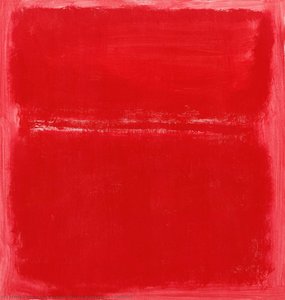
No.46
복제본 크기
To stand before Mark Rothko’s No.46 is to enter a sanctuary of profound stillness, where the boundaries between the viewer and the canvas begin to dissolve. This masterpiece, a quintessential example of Color Field Painting, eschews the distractions of recognizable figures or landscapes to focus entirely on the elemental power of pigment. The composition presents a deceptively simple visual arrangement: a vast, rectangular expanse of deep crimson that seems to pulse with an inner life, punctuated by a singular, muted square of brown. It is a work that does not merely demand attention through spectacle but commands it through a slow, rhythmic breathing of color, inviting a contemplative dialogue about the human condition.
The technique employed by Rothko is nothing short of alchemical. Rather than relying on heavy, textured brushstrokes that assert the artist's hand, he applied thin, translucent layers of oil paint to create subtle gradations and nearly imperceptible shifts in hue. This method results in velvety surfaces that appear to absorb light rather than reflect it, lending the painting a luminous, weightless quality. The absence of visible texture reinforces the artist’s intention to bypass conscious thought, allowing the viewer to experience the work as an atmospheric presence—a window into an emotional landscape where the edges of reality feel beautifully blurred.
While the visual language of No.46 is reductive, its emotional depth is immense. The dominant red hue is often interpreted as a vessel for passion, vitality, and primal energy, yet Rothko famously resisted assigning definitive labels to his creations. He believed that color itself possessed an inherent expressive power capable of communicating complex feelings directly to the soul. The grounding brown square acts as a stabilizing force, providing a visual anchor amidst the sea of red, perhaps suggesting a sense of permanence or even the weight of existence within the infinite.
This exploration of existential themes was deeply rooted in the historical context of the mid-20th century. Emerging from a period of significant artistic experimentation following Abstract Expressionism, Rothko’s more restrained approach reflected the broader cultural anxieties of his era. As the world grappled with the looming shadows of the Cold War and the social upheavals of the 1960s, Rothko sought to tap into primal, universal emotions—grief, ecstasy, and the search for meaning. For the collector or interior designer, a high-quality reproduction of this piece offers more than mere decoration; it provides a focal point of meditative intensity, bringing a sense of sophisticated calm and intellectual depth to any curated space.
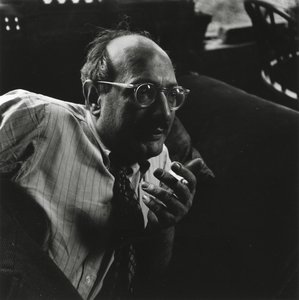
1903 - 1970 , 라트비아

Explore the profound emotional depth of Color Field painting. Discover the history of mid-century abstraction, from Rothko to Newman, and learn how pure color transforms the viewer's experience through our expert art history guide.

Explore the profound history and emotional depth of Color Field painting. From Mark Rothko to Barnett Newman, discover how pure color redefined modern art through our expert-led guide for students and collectors alike.
Explore the profound emotional depth of Lyrical Abstraction. Discover how masters like Raymond Parker used color and form to bridge Impressionism and Abstract Expressionism. Learn about this pivotal movement through our expert-led art history guide.


최신 미술 뉴스, 특별 혜택 및 인테리어 아이디어를 가장 먼저 만나보세요.
프로젝트에 대해 알려주시면 저희 미술 전문가들이 맞춤형 아트 제안 3가지를 전달해 드립니다.
당신만을 위한 맞춤형 옵션 3가지를 무료로 추천해 드립니다!


 미리보기
미리보기
 프린트 구매
 공유하기
공유하기 공유하기
공유하기
 상세 정보
상세 정보

 다운로드
다운로드
 유사 작품
유사 작품 X-레이
X-레이 슬라이드 쇼

 더 보기
더 보기









 유리 옵션은 110cm 미만 크기에서만 선택 가능합니다.