


x





























작품의 원본 비율을 유지하는 미리 설정된 크기 중에서 선택하세요.

특정 프레임이나 공간에 맞도록 직접 크기를 입력할 수 있습니다. 선택하신 크기가 원본 이미지의 비율과 일치하지 않는 경우, 작품을 자르거나 추가적인 손으로 그린 요소를 사용하여 그림을 확장합니다. 제작 시작 전 승인을 위해 디지털 목업을 보내드립니다.
화면 미리 보기는 실제 자르기 또는 확장을 반영하지 않습니다. 최종 구성은 목업을 통해서만 정확하게 확인하실 수 있습니다.
맞춤 크기 제작도 가능하지만, 원본 비율을 유지하기 위해 사전 정의된 목록에서 크기를 선택하시는 것을 권장합니다.

Study for Antigone
복제본 크기
In the quiet, evocative depths of Mark Rothko’s “Study for Antigone,” created in 1950, viewers are invited into a sanctuary of profound contemplation. This work serves as more than a mere visual arrangement; it is an emotional landscape where the boundaries between color and spirit begin to blur. As one stands before this piece, there is an immediate sense of being drawn into a space of solemn stillness, a meditative realm that echoes the weight of human experience. The painting acts as a bridge between the ancient tragedies of Sophocles and the modern existential anxieties of the twentieth century, offering a hauntingly beautiful testament to the endurance of the human soul amidst sorrow.
The composition is a masterful exercise in balance and tension, featuring three nude torsos positioned upon a rectangular frieze. These figures are arranged in a deliberate horizontal configuration, their forms subtly illuminated against a muted backdrop of gray and ivory. While the figures possess a certain geometric simplicity, they are far from static; there is a rhythmic quality to their placement that suggests a shared, silent narrative. The presence of scattered objects—a bowl, cups, and a vase—adds a layer of domestic intimacy to the scene, yet these elements feel suspended in a dreamlike state, stripped of their mundane utility to become symbols within a larger, more cosmic drama.
Technically, this work captures Rothko during a pivotal era of his evolution, where his signature Color Field technique began to assert its dominance. Rather than relying on the sharp, descriptive lines of traditional realism, Rothko utilizes expansive planes of pigment that seem to breathe and dissolve into one another. Deep shades of crimson red, smoky purple, and cobalt blue overlap in a way that creates an illusion of depth and luminosity. The artist employs thin black outlines to delineate the contours of the figures, providing just enough structure to anchor the viewer's eye before it wanders back into the nebulous, atmospheric washes of color.
This approach is deeply rooted in the tenets of Abstract Expressionism, a movement that sought to bypass rational thought to tap directly into primal, subconscious emotions. By eschewing detailed representation, Rothko prioritizes the emotive power of texture and hue. The way the colors bleed and merge mirrors the fluidity of memory and grief, making the painting feel less like a fixed image and more like a living, breathing entity. For the collector or interior designer, this creates a piece that possesses an incredible "presence"—a work that does not merely decorate a wall but fundamentally alters the energetic atmosphere of a room.
The historical and symbolic weight of “Study for Antigone” is anchored in its namesake. The Greek heroine, Antigone, represents the ultimate act of moral defiance, choosing to honor her brother’s burial rites despite the lethal decrees of a tyrant. In Rothko’s hands, this theme of resistance and conviction is translated into a visual language of resilience. The figures, though vulnerable in their nudity, embody a quiet strength that mirrors the protagonist's struggle against unjust authority. This connection to classical tragedy imbues the work with a sense of timelessness, making it relevant to anyone who has navigated the complexities of loss or the necessity of standing by one's principles.
For those seeking to incorporate fine art into a curated space, this reproduction offers an unparalleled opportunity to possess a fragment of art history. It is a piece that invites long periods of looking, rewarding the observer with new layers of meaning and emotional resonance each time it is encountered. Whether placed in a quiet study, a minimalist gallery, or a sophisticated living area, “Study for Antigone” serves as a powerful focal point—a window into the sublime, where the shadows of the past meet the enduring light of hope.
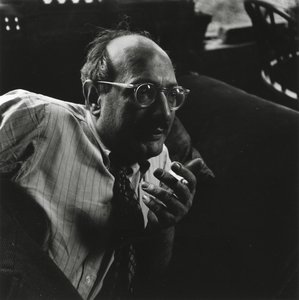
1903 - 1970 , 라트비아

Explore the profound emotional depth of Color Field painting. Discover the history of mid-century abstraction, from Rothko to Newman, and learn how pure color transforms the viewer's experience through our expert art history guide.

Explore the profound emotional depth of Color Field painting. Our expert guide delves into the post-war origins of Abstract Expressionism, analyzing masterpieces by Rothko and Newman. Discover museum-grade, hand-painted oil reproductions that bring art history to your walls.

Explore the profound history and emotional depth of Color Field painting. From Mark Rothko to Barnett Newman, discover how pure color redefined modern art through our expert-led guide for students and collectors alike.

Explore the profound history and emotional depth of Abstract Expressionism. From Jackson Pollock to Mark Rothko, master the nuances of the New York School through our expert art history guide. Discover museum-quality hand-painted reproductions for your collection.
Explore the profound emotional depth of Lyrical Abstraction. Discover how masters like Raymond Parker used color and form to bridge Impressionism and Abstract Expressionism. Learn about this pivotal movement through our expert-led art history guide.


최신 미술 뉴스, 특별 혜택 및 인테리어 아이디어를 가장 먼저 만나보세요.
프로젝트에 대해 알려주시면 저희 미술 전문가들이 맞춤형 아트 제안 3가지를 전달해 드립니다.
당신만을 위한 맞춤형 옵션 3가지를 무료로 추천해 드립니다!


 미리보기
미리보기
 프린트 구매
 공유하기
공유하기 공유하기
공유하기
 상세 정보
상세 정보

 다운로드
다운로드
 유사 작품
유사 작품 X-레이
X-레이 슬라이드 쇼

 더 보기
더 보기









 유리 옵션은 110cm 미만 크기에서만 선택 가능합니다.


