x
 Oil On PanelEarly Netherlandish Painting
 1467Renaissance
 221.0 x 160.0 cm
 그단스크 국립박물관
빠른 제작과 다양한 마감 옵션을 제공하는 박물관 품질의 지클레이 또는 캔버스 프린트. ( 수제 페인팅으로 전환하기 이미지로 전환)





























작품의 원본 비율을 유지하는 미리 설정된 크기 중에서 선택하세요.

특정 프레임이나 공간에 맞춰 직접 치수를 입력하실 수 있습니다. 선택하신 사이즈가 원본 이미지의 비율과 일치하지 않을 경우, 작품을 크롭(자르기)하거나 이미지를 대칭 또는 단색 채우기로 확장하여 제작합니다. 제작 시작 전, 최종 확인을 위해 디지털 목업이 전송됩니다.
화면상의 미리보기는 실제 크롭이나 확장 상태를 반영하지 않으므로, 최종 구도는 오직 목업을 통해서만 정확하게 확인하실 수 있습니다.
맞춤 사이즈 제작도 가능하지만, 원본 비율을 유지하기 위해서는 사전 정의된 목록에서 치수를 선택하시는 것을 권장합니다.

Last Judgment Triptych (central)
복제본 크기
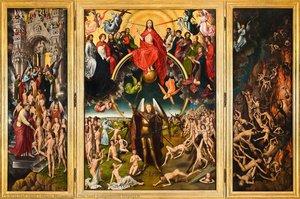
In the quiet corridors of the National Museum in Gdańsk, there exists a window into the divine, a breathtaking spectacle known as Hans Memling’s Last Judgment Triptych. Created between 1467 and 1471, this monumental work is far more than a mere religious relic; it is a symphonic achievement of Early Netherlandish painting that captures the very essence of human anxiety and spiritual hope. As one gazes upon the central panel, the viewer is immediately swept into a cosmic drama where the boundaries between the earthly and the eternal dissolve. The composition is anchored by the majestic presence of Jesus Christ, presiding over the apocalypse with a gravity that commands both awe and introspection. This is not merely a depiction of an event, but an immersive experience designed to stir the soul, making it an incomparable centerpiece for any collection dedicated to the profound depths of classical art.
The technical brilliance of Memling is nothing short of miraculous, showcasing a mastery of the oil medium that was revolutionary for the fifteenth century. Unlike the flatter, more opaque textures of tempera, Memling utilized the translucent properties of oil paint to achieve a luminous, sculptural quality. Each layer of pigment serves to build depth, allowing light to seemingly emanate from within the figures themselves. The drapery of Christ’s robes and the delicate features of the surrounding saints are rendered with such meticulous precision that they possess a tactile, three-dimensional presence. For the discerning collector or interior designer, this level of detail offers a rich visual texture that breathes life into a room, providing a focal point that rewards prolonged contemplation and reveals new nuances with every glance.
Beyond its physical beauty, the triptych serves as a complex theological map, woven with the intricate symbolism characteristic of the Burgundian Netherlands. The central panel acts as the fulcrum of existence, where St. Michael the Archangel performs the solemn task of weighing souls. This act of divine measurement introduces a palpable tension to the work; on one side, the promise of salvation beckons, while on the other, the terrifying descent into the abyss looms. The presence of figures like Tommaso Portinari, a prominent banker, embedded within the sacred narrative, bridges the gap between the contemporary world of the artist and the eternal realm of the divine. This fusion of the personal and the universal creates an emotional resonance that transcends centuries, inviting viewers to reflect on their own place within the grand tapestry of time.
The triptych’s structure—comprising the central scene of judgment, the left wing depicting the ascent to Heaven, and the right wing portraying the descent into Hell—offers a complete narrative arc of the human condition. The movement from the serene, light-filled heavens to the chaotic, shadowed depths of the underworld creates a dramatic chiaroscuro effect that is both visually arresting and emotionally taxing. For those seeking to incorporate art into a sophisticated living space, a high-quality reproduction of this work brings with it an atmosphere of profound dignity and intellectual depth. It is a piece that does not merely decorate a wall but transforms an environment, turning a room into a sanctuary of historical significance and spiritual beauty.
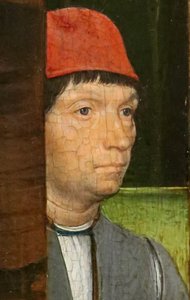
독일

Journey into the world of Early Netherlandish painting! Explore 10 masterpieces by Jan van Eyck, Rogier van der Weyden & more. Discover stunning detail, symbolism & Renaissance art for your home decor. Find museum-quality reproductions on Most-Famous-Paintings.com

클로드 모네의 시대를 초월한 걸작 25선을 만나보세요. 인상주의 화가 모네의 빛과 색채, 그리고 숨겨진 이야기를 Most-Famous-Paintings에서 감상하세요. 거실, 침실을 위한 고급 미술 작품 컬렉션을 지금 바로 탐험해보세요! Most-Famous-Paintings.com
Explore 10 iconic gray paintings by masters like Rembrandt, Hopper & Whistler. Discover the stories behind these atmospheric artworks and find museum-quality art reproductions for your home decor at . Explore the full collection online.
히에로니무스 보쉬의 최고 걸작 25점을 만나보세요. 중세 미술 거장의 신비로운 상상력과 종교적 상징이 담긴 명작들을 감상하고, 오일 페인팅 기법과 독특한 화풍을 탐구하세요. Most-Famous-Paintings.com에서 고품질 복제화와 인테리어 액자로 예술 작품을 소장하세요.

프랜시스 베이컨의 강렬하고 파격적인 세계로. 현대 미술 거장의 대표작 25선을 만나보세요. 절망, 고독, 인간 존재에 대한 깊은 성찰을 담은 작품들을 감상하고, Most-Famous-Paintings.com에서 최고 품질의 그림 복제본과 인테리어 아이디어를 찾아보세요.


최신 미술 뉴스, 특별 혜택 및 인테리어 아이디어를 가장 먼저 만나보세요.
프로젝트에 대해 알려주시면 저희 미술 전문가들이 맞춤형 아트 제안 3가지를 전달해 드립니다.
당신만을 위한 맞춤형 옵션 3가지를 무료로 추천해 드립니다!


 미리보기
미리보기
 공유하기
공유하기 공유하기
공유하기
 상세 정보
상세 정보

 다운로드
다운로드
 유사 작품
유사 작품 X-레이
X-레이 슬라이드 쇼
 더 보기
더 보기









 유리 옵션은 110cm 미만 크기에서만 선택 가능합니다.