x
 Oil On PanelEarly Netherlandish Painting
 1480
1480 81.0 x 55.0 cm
 슈타틸리체 무제엔




























작품의 원본 비율을 유지하는 미리 설정된 크기 중에서 선택하세요.

특정 프레임이나 공간에 맞도록 직접 크기를 입력할 수 있습니다. 선택하신 크기가 원본 이미지의 비율과 일치하지 않는 경우, 작품을 자르거나 추가적인 손으로 그린 요소를 사용하여 그림을 확장합니다. 제작 시작 전 승인을 위해 디지털 목업을 보내드립니다.
화면 미리 보기는 실제 자르기 또는 확장을 반영하지 않습니다. 최종 구성은 목업을 통해서만 정확하게 확인하실 수 있습니다.
맞춤 크기 제작도 가능하지만, 원본 비율을 유지하기 위해 사전 정의된 목록에서 크기를 선택하시는 것을 권장합니다.

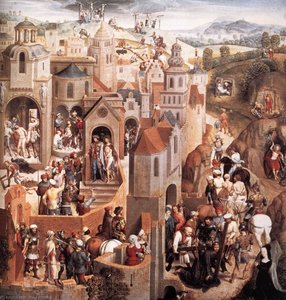
Virgin and Child Enthroned
복제본 크기
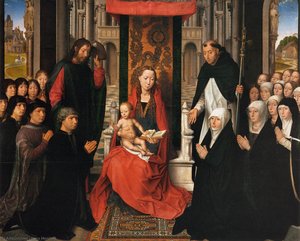
Within the hushed galleries of museums and private collections resides a captivating miniature masterpiece – Hans Memling's “Virgin and Child Enthroned,” painted circa 1480. More than just a devotional image, this small panel offers a profound glimpse into the artist’s meticulous technique, his deep understanding of symbolism, and the prevailing spiritual atmosphere of late medieval Bruges. It’s a scene brimming with quiet dignity, maternal tenderness, and an almost palpable sense of divine grace – a testament to Memling's mastery of creating intimate moments within a grander narrative.
Memling, born in Seligenstadt, Germany, but ultimately establishing his career in the vibrant artistic hub of Bruges, was a pivotal figure in the Early Netherlandish movement. Trained initially under Rogier van der Weyden, he quickly developed a distinctive style characterized by remarkable detail, luminous colors, and an almost sculptural quality to his figures. Unlike some of his contemporaries who favored dramatic narratives, Memling excelled at capturing serene, contemplative scenes – often centered around the Virgin Mary and Christ Child. This particular piece exemplifies that strength, offering a rare moment of quiet intimacy within the context of Christian iconography.
The composition itself is deceptively simple yet profoundly rich in symbolic meaning. The Virgin Mary sits upon an elaborate throne, not of stone or metal, but rendered as a richly carved wooden structure – a deliberate choice that elevates the scene to a realm beyond the earthly. This throne, adorned with intricate tracery and volute armrests, isn’t merely a prop; it represents the divine authority and majesty of the Mother of God. Below her, Christ Child is enthroned upon her lap, his youthful face radiating an almost otherworldly serenity. The positioning—Mary's hand gently supporting the infant—immediately evokes the image of nursing, symbolizing not only physical nourishment but also spiritual sustenance.
Notice the careful attention to detail throughout the painting. The drapery is rendered with exquisite precision, each fold and pleat meticulously depicted. The light, emanating from an unseen source, bathes the scene in a soft, diffused glow, creating a sense of warmth and tranquility. Even the background landscape—a stylized depiction of a wooded area—contributes to the overall atmosphere of serenity and contemplation. The inclusion of a small cloth of honor, reminiscent of those used for royalty, further emphasizes Mary’s elevated status as Queen of Heaven.
Adding another layer of complexity is the presence of an unidentified donor kneeling before the Virgin and Child. His posture suggests reverence and devotion, while his inclusion subtly references the tradition of commissioning religious art – a common practice among wealthy patrons of the time. Interestingly, the figure’s features are somewhat obscured, perhaps reflecting the artist's desire to focus attention on the central figures or hinting at the anonymity often associated with donors in such works. The presence of Saint George, depicted as a limp and lifeless dragon, reinforces the narrative of Christ’s sacrifice and redemption.
The painting is deeply rooted in the iconography of the era. Elements like the iris (representing sorrow) and the columbine (symbolizing mourning) subtly underscore the themes of loss and suffering associated with the life of Christ. Furthermore, it echoes earlier works by Rogier van der Weyden, particularly his “Virgin and Child Enthroned,” demonstrating Memling’s apprenticeship and his evolution as an artist. The influence of Robert Campin is also evident in the depiction of Mary's pose and the architectural setting.
“Virgin and Child Enthroned” isn’t simply a beautiful painting; it’s a window into the soul of a Renaissance artist grappling with profound spiritual questions. Memling’s meticulous technique, combined with his deep understanding of symbolism and iconography, creates an image that is both visually stunning and emotionally resonant. It's a testament to the enduring power of art to evoke contemplation, inspire devotion, and connect us to the timeless themes of faith, love, and sacrifice. Reproductions capture only a fraction of the original’s impact, but this small panel remains a powerful reminder of the beauty and serenity that can be found within the heart of medieval art.

독일

Explore the profound history and technical brilliance of oil on panel painting. From Renaissance masters to modern techniques, discover why this rigid support offers unparalleled precision and permanence for fine art lovers and collectors.


최신 미술 뉴스, 특별 혜택 및 인테리어 아이디어를 가장 먼저 만나보세요.
프로젝트에 대해 알려주시면 저희 미술 전문가들이 맞춤형 아트 제안 3가지를 전달해 드립니다.
당신만을 위한 맞춤형 옵션 3가지를 무료로 추천해 드립니다!


 미리보기
미리보기
 프린트 구매
 공유하기
공유하기 공유하기
공유하기
 상세 정보
상세 정보

 다운로드
다운로드
 유사 작품
유사 작품 X-레이
X-레이 슬라이드 쇼
 더 보기
더 보기









 유리 옵션은 110cm 미만 크기에서만 선택 가능합니다.