x
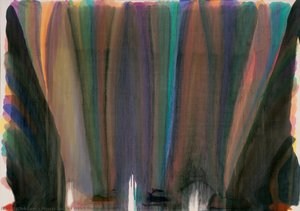
 Acrylic On CanvasWallArtContemporary Art
 Contemporary
 104.0 x 95.0 cm
 Barjeel Art Foundation
작품의 원본 비율을 유지하는 미리 설정된 크기 중에서 선택하세요.

특정 프레임이나 공간에 맞도록 직접 크기를 입력할 수 있습니다. 선택하신 크기가 원본 이미지의 비율과 일치하지 않는 경우, 작품을 자르거나 추가적인 손으로 그린 요소를 사용하여 그림을 확장합니다. 제작 시작 전 승인을 위해 디지털 목업을 보내드립니다.
화면 미리 보기는 실제 자르기 또는 확장을 반영하지 않습니다. 최종 구성은 목업을 통해서만 정확하게 확인하실 수 있습니다.
맞춤 크기 제작도 가능하지만, 원본 비율을 유지하기 위해 사전 정의된 목록에서 크기를 선택하시는 것을 권장합니다.

Composition (
복제본 크기
Born in El Hamel, Algeria, in 1955, Mohamed Kacimi-el-Hassani’s artistic journey is inextricably linked to his personal experiences – a blend of familial tradition as a theologian, military service, and ultimately, the profound displacement of exile. His early life within a deeply religious household instilled a sensitivity to human emotion and a contemplative approach to observation, qualities that would later profoundly shape his distinctive visual language. This formative period laid the groundwork for an exploration of complex themes: the weight of history, the struggle for identity in a fractured world, and the enduring impact of violence – subjects he tackles with unflinching honesty and remarkable poetic power.
Kacimi’s relocation to Paris in 1982 marked a pivotal shift. This move wasn't merely geographical; it represented a deliberate severance from his Algerian roots, an experience that became the central thread woven throughout much of his work. The city itself – its vibrant energy, its layers of history, and its diverse population – served as both a catalyst for artistic growth and a constant reminder of his own outsider status. This duality—the Algerian within the Parisian—is palpable in his paintings, creating a tension between familiarity and estrangement that resonates deeply with viewers.
Kacimi’s artistic style is immediately recognizable for its potent synthesis of influences. Rooted firmly in Algerian tradition, particularly the rich visual vocabulary of Berber art and the expressive dynamism of traditional Islamic calligraphy, his work simultaneously embraces a distinctly French sensibility. This fusion manifests itself through a bold use of color – often saturated hues that evoke both the harshness of the desert landscape and the luminosity of Parisian light – and assertive brushstrokes that convey a sense of restless energy. His compositions are frequently crowded with figures, creating an almost claustrophobic atmosphere that mirrors the psychological intensity of his subjects.
He masterfully employs texture, layering paint to build up surfaces that seem both solid and ephemeral. Faces, often rendered in profile and partially obscured, become symbols of anonymity and vulnerability – a recurring motif reflecting the experience of exile and displacement. Kacimi’s technique isn't about precise representation; rather, it’s a visceral expression of feeling, prioritizing emotional impact over photographic accuracy.
The core of Kacimi’s artistic output revolves around the exploration of profound human experiences. The theme of exile is not merely biographical but existential – representing a severance from one's past, a loss of belonging, and a struggle to forge a new identity in an unfamiliar environment. His paintings frequently depict solitary figures, often rendered in shadow or muted tones, conveying a sense of isolation and longing. Violence, both personal and societal, is another recurring element, not depicted graphically but rather through the underlying tension and psychological scars it leaves behind.
However, Kacimi’s work isn't solely defined by darkness and despair. There’s an undercurrent of resilience, a quiet dignity in his subjects that suggests a capacity for hope and renewal. He consistently grapples with questions of identity – what does it mean to be Algerian in the diaspora? How do we reconcile our past with our present? And how do we find meaning in a world marked by conflict and uncertainty?
Kacimi’s literary debut, *Le Mouchoir* (The Handkerchief), published in 1987, established him as a significant voice in contemporary Algerian literature. This novel, exploring themes of betrayal and loss, quickly garnered critical acclaim and cemented his reputation as a writer unafraid to confront difficult subjects. Since then, he has continued to produce a diverse body of work encompassing novels, plays, poems, and essays.
His paintings have been exhibited widely, including at the Museo Reading Museum - Town Hall in Reading, United Kingdom, and featured in exhibitions such as “Kacimi – Mucem” at the Musée d’art contemporain de Montréal (MAC) in 2018. The work "L" (1996), a dynamic Expressionist piece depicting a crowded scene, exemplifies his signature style—a potent blend of color, texture, and emotional intensity. His influence extends beyond Algeria and France, reaching audiences across the globe who are drawn to the raw honesty and profound humanity of his art.
Mohamed Kacimi-el-Hassani’s work remains remarkably relevant in the 21st century. His exploration of themes such as exile, identity, and violence continues to resonate with contemporary audiences grappling with similar challenges. He is a powerful reminder of the enduring impact of historical trauma and the importance of confronting difficult truths about ourselves and our world. His art serves not only as a reflection of his own experiences but also as a universal testament to the human condition.

1955 - , Algeria
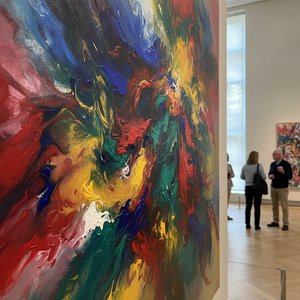
Explore the profound emotional depth of Lyrical Abstraction. Discover how masters like Raymond Parker used color and form to bridge Impressionism and Abstract Expressionism. Learn about this pivotal movement through our expert-led art history guide.

Explore the profound emotional depth of Color Field painting. Discover the history of mid-century abstraction, from Rothko to Newman, and learn how pure color transforms the viewer's experience through our expert art history guide.


최신 미술 뉴스, 특별 혜택 및 인테리어 아이디어를 가장 먼저 만나보세요.
프로젝트에 대해 알려주시면 저희 미술 전문가들이 맞춤형 아트 제안 3가지를 전달해 드립니다.
당신만을 위한 맞춤형 옵션 3가지를 무료로 추천해 드립니다!


 미리보기
미리보기
 프린트 구매
 공유하기
공유하기 공유하기
공유하기
 상세 정보
상세 정보

 다운로드
다운로드
 유사 작품
유사 작품 X-레이
X-레이 슬라이드 쇼
 더 보기
더 보기






































 유리 옵션은 110cm 미만 크기에서만 선택 가능합니다.