x
 Acrylic On CanvasWallArtColor Field Painting
 1959
1959 256.0 x 378.0 cm
 솔로몬 R. 구겐하임 미술관




























작품의 원본 비율을 유지하는 미리 설정된 크기 중에서 선택하세요.

특정 프레임이나 공간에 맞도록 직접 크기를 입력할 수 있습니다. 선택하신 크기가 원본 이미지의 비율과 일치하지 않는 경우, 작품을 자르거나 추가적인 손으로 그린 요소를 사용하여 그림을 확장합니다. 제작 시작 전 승인을 위해 디지털 목업을 보내드립니다.
화면 미리 보기는 실제 자르기 또는 확장을 반영하지 않습니다. 최종 구성은 목업을 통해서만 정확하게 확인하실 수 있습니다.
맞춤 크기 제작도 가능하지만, 원본 비율을 유지하기 위해 사전 정의된 목록에서 크기를 선택하시는 것을 권장합니다.

Saraband
복제본 크기
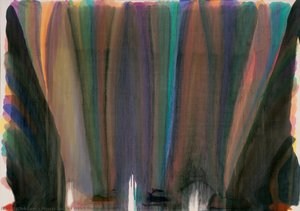
Morris Louis’s “Saraband,” painted in 1959, isn't merely a canvas adorned with color; it’s an immersive experience. This monumental work, measuring nearly 3 x 2.6 meters, immediately draws the viewer into its hazy depths – a realm where form dissolves and emotion takes precedence. Louis, a pivotal figure in Color Field painting, sought to move beyond traditional representation, aiming instead to capture the very essence of color itself. “Saraband” embodies this ambition, inviting contemplation and offering a profound connection through its atmospheric quality and subtle shifts in hue.
The genesis of this piece lies within Louis’s groundbreaking "veil" technique – a method he pioneered by pouring diluted acrylic paint directly onto unprimed canvas. This revolutionary approach allowed the paint to soak into the fabric, creating a luminous, almost ethereal surface that defies conventional brushstrokes. The absence of visible lines contributes significantly to the painting's dreamlike quality, fostering a sense of fluidity and movement reminiscent of a slow, graceful dance – hence the title itself, referencing the stately Spanish dance known for its melancholic beauty.
The color palette of “Saraband” is both complex and remarkably harmonious. Dominating the composition are washes of vibrant oranges, reds, yellows, greens, blues, and purples – a rich tapestry that seems to shift and evolve with every glance. These colors aren’t applied uniformly; instead, they bleed into one another, creating subtle gradations and transitions that suggest depth and movement. The warm beige or light brown background acts as a grounding element, providing a neutral stage for the explosion of color above. Notice how the cooler blues and greens recede slightly, while the warmer reds and yellows advance, subtly manipulating our perception of space within the painting.
Louis’s masterful control over the paint's flow is evident in the way the colors coalesce into vertical bands or columns. These aren’t sharply defined edges; rather, they dissolve at their boundaries, contributing to the overall sense of atmospheric depth and blurring the distinction between foreground and background. This deliberate ambiguity encourages the viewer to lose themselves within the painting, allowing their own emotions and associations to shape their interpretation.
“Saraband” is deliberately devoid of representational imagery – there are no figures or recognizable objects. Instead, its power lies in its ability to evoke a range of emotional responses. The title itself—a reference to a slow, melancholic dance—hints at themes of longing, nostalgia, and perhaps even loss. The flowing colors can be interpreted as representing the ebb and flow of emotions, mirroring the complexities of human experience. It’s a painting that invites introspection, prompting viewers to consider their own personal connections to color, movement, and feeling.
Furthermore, Louis's work during this period was deeply influenced by his interest in spirituality and the subconscious. He sought to create paintings that would bypass rational thought and directly engage with the viewer’s emotions. “Saraband” achieves this beautifully, offering a meditative experience that transcends mere visual pleasure.
Morris Louis was a key figure in the development of Color Field painting, an American movement that emerged in the mid-1950s. Artists like Louis, Barnett Newman, and Helen Frankenthaler sought to elevate color to the primary subject matter of their work, rejecting traditional forms and techniques. “Saraband” stands as a testament to this revolutionary approach, demonstrating Louis’s ability to create large-scale paintings that are both visually stunning and emotionally resonant. His innovative use of acrylic paint and his commitment to exploring the expressive potential of color have had a lasting impact on contemporary art.

1912 - 1962 , 미국

Explore the profound emotional depth of Color Field painting. Discover the history of mid-century abstraction, from Rothko to Newman, and learn how pure color transforms the viewer's experience through our expert art history guide.

Explore the profound history and emotional depth of Color Field painting. From Mark Rothko to Barnett Newman, discover how pure color redefined modern art through our expert-led guide for students and collectors alike.
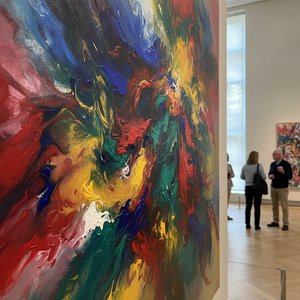
Explore the profound emotional depth of Lyrical Abstraction. Discover how masters like Raymond Parker used color and form to bridge Impressionism and Abstract Expressionism. Learn about this pivotal movement through our expert-led art history guide.


최신 미술 뉴스, 특별 혜택 및 인테리어 아이디어를 가장 먼저 만나보세요.
프로젝트에 대해 알려주시면 저희 미술 전문가들이 맞춤형 아트 제안 3가지를 전달해 드립니다.
당신만을 위한 맞춤형 옵션 3가지를 무료로 추천해 드립니다!


 미리보기
미리보기
 프린트 구매
 공유하기
공유하기 공유하기
공유하기
 상세 정보
상세 정보

 다운로드
다운로드
 유사 작품
유사 작품 X-레이
X-레이 슬라이드 쇼
 더 보기
더 보기









 유리 옵션은 110cm 미만 크기에서만 선택 가능합니다.