


x
빠른 제작과 다양한 마감 옵션을 제공하는 박물관 품질의 지클레이 또는 캔버스 프린트. ( 손으로 그린 그림 구매 이미지 구매)





























작품의 원본 비율을 유지하는 미리 설정된 크기 중에서 선택하세요.

특정 프레임이나 공간에 맞춰 직접 치수를 입력하실 수 있습니다. 선택하신 사이즈가 원본 이미지의 비율과 일치하지 않을 경우, 작품을 크롭(자르기)하거나 이미지를 대칭 또는 단색 채우기로 확장하여 제작합니다. 제작 시작 전, 최종 확인을 위해 디지털 목업이 전송됩니다.
화면상의 미리보기는 실제 크롭이나 확장 상태를 반영하지 않으므로, 최종 구도는 오직 목업을 통해서만 정확하게 확인하실 수 있습니다.
맞춤 사이즈 제작도 가능하지만, 원본 비율을 유지하기 위해서는 사전 정의된 목록에서 치수를 선택하시는 것을 권장합니다.

Apple tree
복제본 크기
“Apple tree,” painted in 1905 by the visionary artist Nicholas Roemerich, is more than just a depiction of a fruit-bearing tree; it's a profound meditation on life, vitality, and the interconnectedness of nature and spirit. This remarkable work, rendered in the Realism style – as confirmed by WikiArt – showcases Roerich’s meticulous attention to detail and his ability to imbue even the simplest subject with an extraordinary sense of depth and emotion. The painting immediately draws the viewer into a tranquil scene dominated by the lush foliage of the apple tree, its branches reaching skyward in a gesture of hopeful aspiration. Small apples, still clinging to the boughs, hint at the promise of abundance and renewal – a recurring motif throughout Roerich’s oeuvre.
Roerich's artistic journey was characterized by a unique blend of technical skill and spiritual exploration. Born in Saint Petersburg in 1874, he initially pursued legal studies alongside his artistic training at the Imperial Academy of Arts, reflecting a deep intellectual curiosity that informed all aspects of his work. His Realist style is evident in the precise rendering of the tree’s form, the delicate shading of the leaves, and the careful placement of each apple. However, beneath this surface realism lies a powerful current of symbolism rooted in Roerich's own philosophical beliefs – particularly his concept of “Living Earth” and his fervent belief in the preservation of cultural heritage. This painting exemplifies his ability to translate complex spiritual ideas into tangible visual forms.
The apple tree itself carries significant symbolic weight across cultures, representing knowledge, immortality, and the cycle of life and death. In Roerich's hands, it becomes a potent emblem of the 'Living Earth,' a concept central to his philosophy that posits an interconnected web of consciousness permeating all living things. The vibrant greens and yellows dominating the palette – achieved through meticulous layering of oil paints – evoke feelings of growth, energy, and harmony with nature. The composition’s diagonal lines contribute to a sense of dynamism, suggesting constant movement and transformation, mirroring the natural processes depicted.
Created in 1905, “Apple Tree” reflects a pivotal moment in Roerich's artistic development. Following his early works influenced by Impressionism, he began to explore themes of spirituality and symbolism with increasing intensity. This painting represents a crucial step in his evolution towards his signature style – characterized by its rich color palettes, intricate detail, and profound philosophical underpinnings. It’s a testament to Roerich's enduring legacy as one of the 20th century’s most significant artists, whose work continues to resonate with viewers seeking beauty, meaning, and connection to the natural world.


1874 - 1947 , 러시아
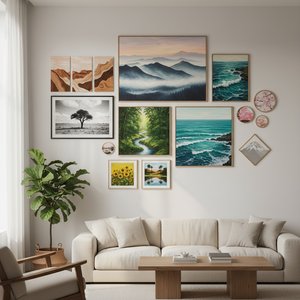
Journey through 10 breathtaking landscape paintings by Monet, Van Gogh & more! Explore iconic artworks, artistic techniques & find inspiration for your home decor. Museum-quality reproductions at Most-Famous-Paintings.com. Discover all masterpieces on Most-Famous-Paintings.com

Explore the captivating art of Nicholas Roerich – a visionary painter whose Himalayan landscapes blend spiritual mysticism with cultural preservation. Discover his legacy & symbolism.

낭만주의 시대, 예술혼을 불태운 10대 풍경화 걸작! 터너부터 프리드리히까지, 시대를 초월하는 아름다움을 와후아트에서 만나보세요. 고흐의 색채와 코로의 섬세함이 당신의 공간에 영감을 더합니다. 지금 바로 와후아트에서 명품 미술 작품을 감상하고 구매하세요!

Explore the rich history of trees in painting! Discover symbolism, Romantic masterpieces by Caspar David Friedrich & beyond. A curated journey for art enthusiasts.

Explore the evocative world of vintage landscape art! Discover the history, artists & emotional power behind masterpieces from the Hudson River School & beyond. Expert insights for collectors & enthusiasts.


최신 미술 뉴스, 특별 혜택 및 인테리어 아이디어를 가장 먼저 만나보세요.
프로젝트에 대해 알려주시면 저희 미술 전문가들이 맞춤형 아트 제안 3가지를 전달해 드립니다.
당신만을 위한 맞춤형 옵션 3가지를 무료로 추천해 드립니다!


 미리보기
미리보기
 공유하기
공유하기 공유하기
공유하기
 상세 정보
상세 정보

 다운로드
다운로드
 유사 작품
유사 작품 X-레이
X-레이 슬라이드 쇼

 더 보기
더 보기









 유리 옵션은 110cm 미만 크기에서만 선택 가능합니다.


