당신의 작품 판매하기
위시리스트 장바구니 Cart
미리보기미리보기 AR 미리보기AR 미리보기 프린트 구매 프린트 구매이미지 구매 이미지 구매 공유하기공유하기
상세 정보상세 정보 즐겨찾기에 추가 즐겨찾기에 추가 다운로드다운로드 유사 작품유사 작품 X-레이X-레이 슬라이드 쇼슬라이드 쇼

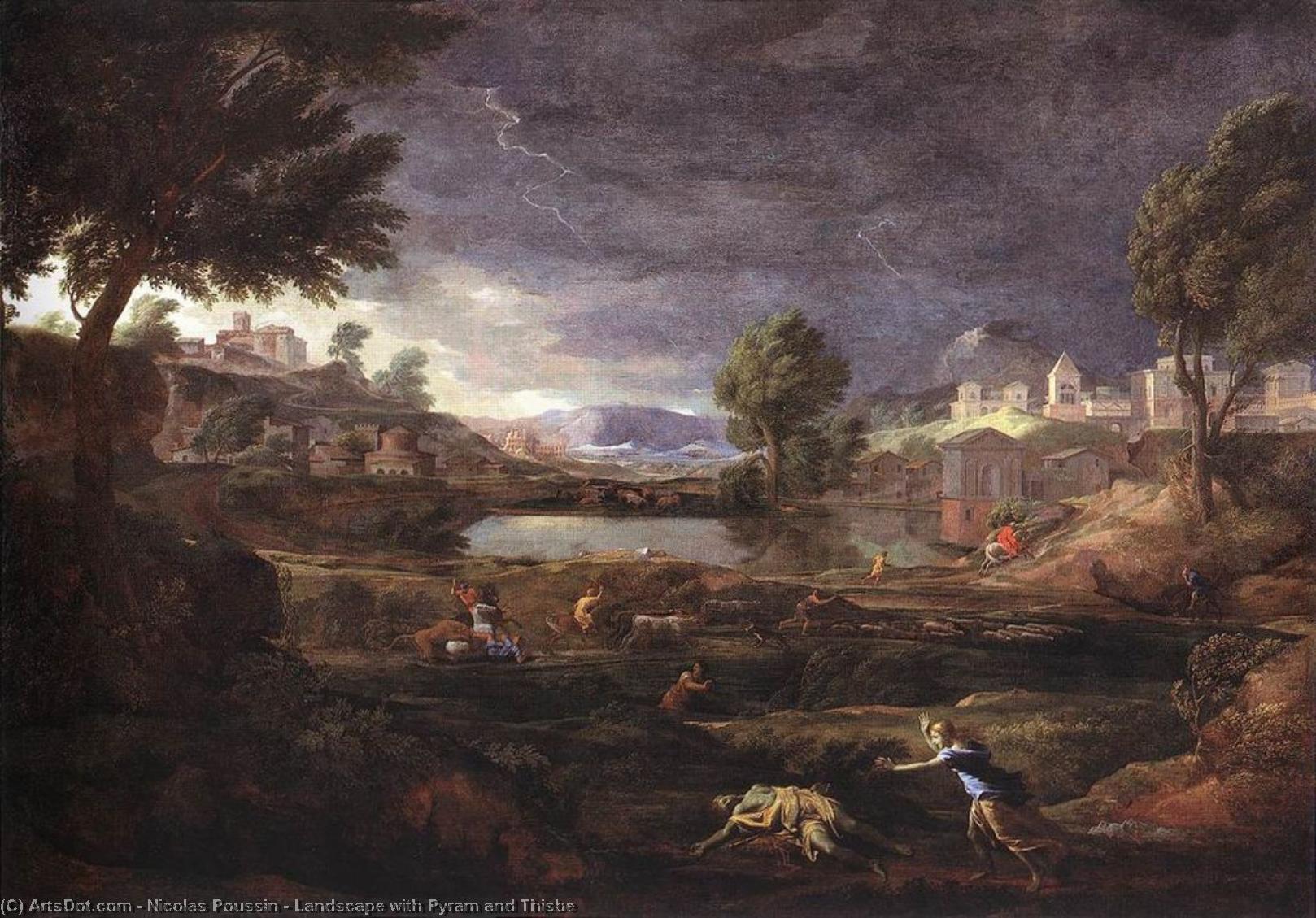
Landscape with Pyram and Thisbe

Explore Nicolas Poussin’s 'Landscape with Pyram and Thisbe,' a dramatic Baroque masterpiece featuring turbulent skies, fleeing figures & a poignant narrative. Rich oil painting evokes emotion & timeless beauty.

르아블 프랑스 니콜라 푸생 르아블, 앙데리 고대 로마의 영향을 받아 고요하고 균형 잡힌 풍경과 신화 속 이야기를 담은 프랑스 바로크 화가 니콜라 푸생. 그의 작품은 18세기 네오클래식 미술에 큰 영향을 미쳤습니다. 바로크, 고전주의 자크 루이 다비드 라파엘로 1594년 1665년 니콜라 푸생 프랑스 게르마니쿠스의 죽음 프랑스 르아블 파리 3 니콜라 푸생은 주로 어느 도시에서 활동했습니까?

수제 유화 복제품

원하는 크기와 액자로 주문 제작되는, 작가들이 직접 캔버스에 손으로 그린 유화 작품입니다. (프린트 구매 프린트 구매이미지 구매 이미지 구매)

P118B $10
P118H $10
P118W $10
P438Z $10
P508JH $12
P508YH $12
P805H $10
P805Z $10
P919BZ $10
P919G $10
P919XJ $10
P959ZH $10
P968JZ $12
W106C $8
W218G $10
W218JH $8
W218Y $10
W307PJ $10
W316G $10
W316PJ $8
W316Y $10
W398PJ $8
W4111J $10
W500HY $15
W500JH $15
W692G $12
W849H $8
W940BG $15
W953PJ $8

Standard
custom
CM
INCH

작품의 원본 비율을 유지하는 미리 설정된 크기 중에서 선택하세요.

가로 너비
세로 길이

특정 프레임이나 공간에 맞도록 직접 크기를 입력할 수 있습니다. 선택하신 크기가 원본 이미지의 비율과 일치하지 않는 경우, 작품을 자르거나 추가적인 손으로 그린 요소를 사용하여 그림을 확장합니다. 제작 시작 전 승인을 위해 디지털 목업을 보내드립니다.
화면 미리 보기는 실제 자르기 또는 확장을 반영하지 않습니다. 최종 구성은 목업을 통해서만 정확하게 확인하실 수 있습니다.
맞춤 크기 제작도 가능하지만, 원본 비율을 유지하기 위해 사전 정의된 목록에서 크기를 선택하시는 것을 권장합니다.

변경 가능한 예시: 얼굴을 고객의 사진으로 교체, 반려동물 추가(예: 고양이를 강아지로 변경), 배경에 숨겨진 메시지 삽입, 배경 풍경 또는 요소 변경 등
주문 후 Most-Famous-Paintings.com 팀에서 상세 안내를 위해 고객님께 이메일을 보내드리며, 미리보기 시안을 제공해 드립니다.

전 세계 배송()은 표준 5주 대신 3~4주 내에 완료됩니다. (20 8월). 품질에는 어떠한 타협도 하지 않습니다.

why_choose_icon
전 세계 무료 특급 배송
why_choose_icon
프리미엄 린넨 캔버스
why_choose_icon
전체 배송 보험 보장
why_choose_icon
관세 환불 보장
why_choose_icon
실제 색상 일치 보장
why_choose_icon
60일 이내 반품 정책 (제조 결함 시)
why_choose_icon
100% 환불 보장
why_choose_icon
다량 구매 할인 혜택

총 합계 금액

$ 272

reproduction

Landscape with Pyram and Thisbe

재현 기법

복제본 크기

-

최종 결제 금액

$ 272

작품 정보 요약

  • medium: Oil paint
  • dimensions: Unknown
  • notable elements: Dramatic landscape, turbulent weather, pyramidal composition, figures in flight/interaction
  • title: Landscape with Pyram and Thisbe
  • artist: Nicolas Poussin
  • style: Classical Baroque

예술 상식 퀴즈

각 질문의 정답은 하나뿐입니다.

질문 1:
The painting 'Landscape with Pyram and Thisbe' is most strongly associated with which artistic movement?
질문 2:
Nicolas Poussin, despite spending much of his career in Rome, remained deeply connected to the artistic traditions of which country?
질문 3:
What is a prominent compositional technique used in 'Landscape with Pyram and Thisbe' to draw the viewer’s eye into the scene?
질문 4:
The description notes a sense of 'impending doom.' How does Poussin primarily convey this feeling in the painting?
질문 5:
The subject matter of the artwork references a story from what source?

작품 상세 설명

A Scene of Passion and Foreboding: Unveiling Poussin’s *Landscape with Pyram and Thisbe*

This captivating landscape by Nicolas Poussin transports us to a world steeped in classical mythology and dramatic tension. The painting vividly depicts the tragic tale of Pyram and Thisbe, lovers forbidden from being together whose miscommunication leads to their untimely deaths – a story predating even Romeo and Juliet. While seemingly a serene vista at first glance, closer inspection reveals a scene brimming with emotional weight and symbolic resonance.

Stylistic Mastery: Baroque Classicism

Poussin stands as a pivotal figure bridging the High Renaissance and the Baroque periods. *Landscape with Pyram and Thisbe* exemplifies his unique style – a harmonious blend of classical composure and Baroque dynamism. Unlike the overtly theatrical compositions favored by some of his contemporaries, Poussin’s work prioritizes clarity, order, and intellectual rigor. The composition is carefully constructed, employing a pyramidal structure to anchor the figures within the expansive landscape. This deliberate arrangement guides the viewer's eye, creating a sense of balance and narrative flow. The influence of earlier masters like Raphael and Titian is evident in Poussin’s use of idealized forms and harmonious color palettes, yet he infuses these traditions with a distinctly Baroque sensibility through dramatic lighting and heightened emotional expression.

Technique and Materials

Executed in oil on canvas, the painting showcases Poussin's masterful technique. He builds up layers of translucent glazes to achieve subtle gradations of light and shadow, lending depth and realism to the scene. His brushwork is remarkably refined, particularly in rendering the figures and architectural details. The landscape itself is not merely a backdrop but an active participant in the drama, rendered with meticulous attention to detail – from the rustling leaves of the trees to the shimmering reflections on the water’s surface. Poussin's commitment to drawing, evident in the precise outlines and carefully modeled forms, underscores his belief in the importance of intellectual control over artistic expression.

Mythological Narrative & Symbolism

The story of Pyram and Thisbe, drawn from Ovid’s *Metamorphoses*, unfolds before us. We see figures enacting key moments of the tragedy: perhaps Thisbe fleeing from a lion, or Pyram discovering her abandoned veil. The small town nestled in the distance represents civilization – a world oblivious to the private anguish playing out in nature. The turbulent sky and stormy waters serve as potent symbols of the lovers’ inner turmoil and impending doom. The very landscape seems to mourn their fate. Poussin often imbued his landscapes with moral or philosophical meaning, inviting viewers to contemplate themes of love, loss, and the fragility of human existence.

Historical Context & Legacy

Born in France but spending most of his career in Rome, Nicolas Poussin (1594-1665) became a leading figure of the Classical Baroque style. He was highly sought after by aristocratic patrons and played a crucial role in establishing French painting as a force to be reckoned with on the international stage. His emphasis on reason, order, and classical ideals profoundly influenced generations of artists, including Jacques-Louis David and Paul Cézanne. Poussin’s landscapes, in particular, were groundbreaking for their time, elevating the genre from mere scenery to a vehicle for profound emotional and intellectual expression.

Emotional Resonance & Interior Design Considerations

*Landscape with Pyram and Thisbe* evokes a complex range of emotions – vulnerability, anxiety, sorrow, and a sense of inevitable tragedy. The painting’s dramatic lighting and dynamic composition create a captivating focal point for any space. Its muted color palette—dominated by blues, greens, and browns—lends itself well to both traditional and contemporary interiors. A high-quality reproduction would be particularly striking in a library, study, or dining room, adding an air of sophistication and intellectual depth. The artwork’s scale demands attention, making it ideal for larger rooms where its details can be fully appreciated.

작가 약력

빛과 이성의 조화: 니콜라 푸생의 삶과 예술

니콜라 푸생은 프랑스 바로크 회화를 대표하는 거장이지만, 그의 영혼은 대부분의 생애를 이탈리아 토양 속에서 키워냈습니다. 1594년 노르망디 레 안들리에서 태어난 그는 어린 시절부터 그림에 재능을 보였고, 지역 화가 퀴탱 바랭에게 기초적인 기법을 익혔습니다. 파리에서 잠시 활동하며 조르주 라레망과 페르디낭 엘레의 영향을 받았지만, 그의 예술적 운명을 결정짓는 것은 1624년 로마로 떠난 여정이었을 것입니다. 로마는 푸생에게 단순한 작업 공간 이상의 의미를 지녔습니다. 고대 문명의 심장부에서 그는 끊임없이 영감을 얻었고, 이는 그의 작품 전반에 걸쳐 나타나는 고전주의적 특징의 근원이 되었습니다. 초기에는 티치아노와 같은 베네치아 화가들의 영향을 받아 감각적인 색채를 탐구했지만, 곧 이성을 중시하고 명확한 구도를 선호하는 자신만의 스타일을 확립해 나갔습니다.

로마 시대: 고전적 이상 추구

로마에서 푸생은 카시아노 달 포초와 같은 학자, 고고학자, 그리고 동료 화가들과 교류하며 지적인 토론을 나누었습니다. 특히 카시아노는 고대 유적을 꼼꼼하게 기록하는 데 몰두했는데, 이는 푸생에게 역사적 정확성과 시대를 초월한 아름다움을 작품에 담고자 하는 열망을 심어주었습니다. 그는 라파엘로의 작품들을 깊이 연구하며 조화로운 구성과 우아한 형태를 흡수했으며, 고대 조각상과 오비디우스의 『변신 이야기』와 같은 문학 작품에서도 영감을 얻었습니다. 이 시기 푸생은 점차 화려하고 감정을 격렬하게 드러내는 바로크 양식에서 벗어나 명확성, 균형, 그리고 선명한 구성을 강조하는 스타일을 발전시켰습니다. 그의 그림들은 종교적, 역사적 주제를 다루었지만, 단순한 이야기 전달을 넘어선 철학적 깊이와 상징적인 의미를 담고 있었습니다.

역사, 신화, 그리고 신성: 주제의 다양성과 심오함

푸생은 다양한 주제를 탐구했지만, 그의 작품들은 일관되게 고전주의적 원칙에 기반했습니다. 그는 게르마니쿠스의 죽음과 같은 고대 역사를 묘사하며 비장하고 품위 있는 분위기를 연출했고, 신화 속 이야기를 통해 인간 본성을 탐구하며 도덕적인 교훈을 전달하고자 했습니다. 특히 *아르카디아* 시리즈는 그의 철학적 깊이를 보여주는 대표작으로, 죽음과 기억의 힘에 대한 성찰을 담고 있습니다. 또한 그는 *7가지 성사* 연작과 같이 종교적인 주제를 다루면서도 과도한 감정 표현을 자제하고 고요하고 엄숙한 분위기를 유지했습니다. 그의 후기 작품에서는 광활한 풍경이 더욱 중요하게 부각되었는데, 이는 현실과 이상이 조화를 이루는 아름다운 자연 경관을 통해 인간의 내면 세계를 표현하고자 한 시도였습니다.

프랑스 예술에 미친 영향: 고전주의의 초석

푸생은 대부분의 생애를 이탈리아에서 보냈지만, 프랑스 예술에 지대한 영향을 미쳤습니다. 1640년 리슐리외 추기경의 요청으로 잠시 프랑스로 돌아가 왕실 화가가 되었으나, 궁중 생활의 부담과 권력 다툼을 견디지 못하고 곧 로마로 귀환했습니다. 그는 프랑스 왕립 회화 및 조각 아카데미에서 중요한 역할을 수행하며 고전주의 예술 교육의 기준을 확립하는 데 기여했습니다. 그의 엄격한 접근 방식과 지적인 깊이는 자크 루이 다비드와 폴 세잔과 같은 후대 화가들에게 영감을 주었으며, 단순한 스타일 모방을 넘어 프랑스 고전주의 미술의 초석을 다지는 역할을 했습니다. 푸생은 예술을 통해 이성과 아름다움을 추구하며 시대를 초월하는 가치를 창조하고자 했던 위대한 예술가였습니다.
  • 대표작: *게르마니쿠스의 죽음*, *7가지 성사 연작*, *로마의 길*, *맹인 오리온*, *계절*.
  • 주요 특징: 고전적 구성, 선명한 윤곽선, 역사 및 신화 주제, 고요한 풍경.
니콜라 푸생

니콜라 푸생

1594 - 1665 , 프랑스

주요 정보

  • 국적: 프랑스
  • 영향받은 예술가:
    • 자크 루이 다비드
    • 폴 세잔
  • 영향을 준 예술가:
    • 라파엘로
    • 티치아노
  • 예술 사조: 바로크, 고전주의
  • 전체 이름: 니콜라 푸생
  • 주요 작품:
    • Germanicus의 죽음
    • 7가지 성사 연작
    • 로마 도로
    • 눈먼 오리온
    • 계절
  • 출생일: 1594년 6월
테마, 스타일 및 특징별로 분류된 작품들을 만나보세요.