x
 Oil On CanvasWallArtClassical French Baroque
 1625
1625 57.0 x 128.0 cm




























작품의 원본 비율을 유지하는 미리 설정된 크기 중에서 선택하세요.

특정 프레임이나 공간에 맞도록 직접 크기를 입력할 수 있습니다. 선택하신 크기가 원본 이미지의 비율과 일치하지 않는 경우, 작품을 자르거나 추가적인 손으로 그린 요소를 사용하여 그림을 확장합니다. 제작 시작 전 승인을 위해 디지털 목업을 보내드립니다.
화면 미리 보기는 실제 자르기 또는 확장을 반영하지 않습니다. 최종 구성은 목업을 통해서만 정확하게 확인하실 수 있습니다.
맞춤 크기 제작도 가능하지만, 원본 비율을 유지하기 위해 사전 정의된 목록에서 크기를 선택하시는 것을 권장합니다.

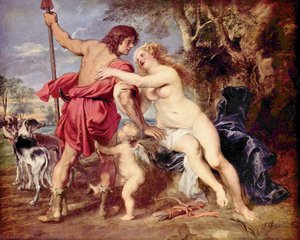
Venus Weeping over Adonis
복제본 크기
Nicolas Poussin's "Venus Weeping Over Adonis," painted around 1626, is more than just a depiction of a classical myth; it’s a poignant meditation on love, loss, and the cyclical nature of life and death. This masterpiece, currently residing in the Musée des Beaux-Arts de Caen, France, transcends its mythological subject matter to resonate with an enduring emotional power that continues to captivate viewers centuries later. Poussin, deeply influenced by the artistic ideals of antiquity and the Venetian masters he admired, masterfully blended classical composition with a distinctly personal sensibility, creating works that are both intellectually stimulating and profoundly moving.
The scene itself is deceptively simple yet intensely dramatic. Venus, her face etched with grief, kneels beside the lifeless body of Adonis, the young hunter slain by a boar. The setting—a softly lit landscape hinting at dawn or dusk—contributes to the painting’s melancholic atmosphere. Notice the careful attention to detail: the delicate folds of Venus's drapery, the subtle play of light on the water, and the meticulously rendered foliage all speak to Poussin’s technical virtuosity. He employed a technique known as *sfumato*, blurring lines and softening edges to create an ethereal quality, further enhancing the sense of sorrow and transience.
The story depicted is drawn from Ovid's *Metamorphoses*, where Venus, consumed by grief over Adonis’s death, attempts to restore him to life by transforming his blood into anemones—small blue flowers that bloom in the spring. This transformation symbolizes both loss and renewal, a poignant reminder that even in death, beauty and new beginnings can emerge. The presence of the doves, often associated with love and mourning, reinforces this theme. The figure representing the river Adonis, lying prone at the base of the composition, adds another layer of symbolism—a representation of the passage of time and the inevitable decay of all things.
Beyond the immediate narrative, Poussin imbues the scene with broader allegorical meanings. The painting can be interpreted as a meditation on the fleeting nature of beauty and youth, the pain of separation, and the enduring power of love. The contrast between the vibrant colors of Venus’s garments and the muted tones of the landscape further emphasizes this duality—the vibrancy of life juxtaposed against the stillness of death.
Poussin was a staunch devotee of classical art, and his work is characterized by its rigorous adherence to principles of proportion, perspective, and harmony. He meticulously studied ancient sculptures and ruins, seeking to emulate their idealized forms and balanced compositions. His use of *contrapposto*, a technique where the figure’s weight shifts slightly off-center, creates a sense of naturalism and dynamism. The careful arrangement of elements within the composition—the placement of Venus, Adonis, and the surrounding landscape—is designed to create a visually pleasing and intellectually engaging experience for the viewer.
Furthermore, Poussin’s mastery of color is evident in his subtle gradations and delicate blending techniques. He employed a limited palette of earth tones, blues, and reds, creating a sense of depth and atmosphere. The use of light—particularly the soft, diffused glow that illuminates the scene—is particularly effective in conveying the painting's emotional impact. The artist’s ability to capture the fleeting effects of light and shadow is a hallmark of his style.
"Venus Weeping Over Adonis" remains one of Poussin’s most celebrated works, admired for its technical brilliance, emotional depth, and enduring appeal. It's a testament to the artist's ability to transform a classical myth into a profound meditation on the human condition. Today, high-quality reproductions of this iconic painting offer art lovers a chance to experience its beauty and power in their own homes. Most-Famous-Paintings’s meticulously crafted hand-painted reproductions capture the essence of Poussin’s original masterpiece, allowing you to bring this timeless work of art into your space with confidence and authenticity.


1594 - 1665 , 프랑스

Explore the profound elegance of Baroque Classicism. Discover how 17th-century masters synthesized dramatic emotion with classical order through the lens of the Counter-Reformation and the works of legends like Carlo Maratta and Andrea Sacchi.

Explore the dramatic power of Baroque art through an expert guide to light, shadow, and emotion. Discover how the Counter-Reformation shaped 17th-century masterpieces and learn about the profound techniques used by the Old Masters to inspire awe.

Explore the dramatic world of Baroque portraiture. Discover how masters used chiaroscuro and light to evoke profound emotion during the Counter-Reformation. A definitive guide for art enthusiasts seeking to understand the power of 17th-century masterpieces.

Explore the dramatic evolution from Mannerist distortion to Baroque grandeur. Discover how light, shadow, and emotion redefined art history through a masterclass in technical mastery and religious fervor.


최신 미술 뉴스, 특별 혜택 및 인테리어 아이디어를 가장 먼저 만나보세요.
프로젝트에 대해 알려주시면 저희 미술 전문가들이 맞춤형 아트 제안 3가지를 전달해 드립니다.
당신만을 위한 맞춤형 옵션 3가지를 무료로 추천해 드립니다!


 미리보기
미리보기
 프린트 구매
 공유하기
공유하기 공유하기
공유하기
 상세 정보
상세 정보

 다운로드
다운로드
 유사 작품
유사 작품 X-레이
X-레이 슬라이드 쇼
 더 보기
더 보기









 유리 옵션은 110cm 미만 크기에서만 선택 가능합니다.