x
 Acrylic On CanvasWallArtCubist Abstraction
 1929
1929 73.0 x 60.0 cm




























작품의 원본 비율을 유지하는 미리 설정된 크기 중에서 선택하세요.

특정 프레임이나 공간에 맞도록 직접 크기를 입력할 수 있습니다. 선택하신 크기가 원본 이미지의 비율과 일치하지 않는 경우, 작품을 자르거나 추가적인 손으로 그린 요소를 사용하여 그림을 확장합니다. 제작 시작 전 승인을 위해 디지털 목업을 보내드립니다.
화면 미리 보기는 실제 자르기 또는 확장을 반영하지 않습니다. 최종 구성은 목업을 통해서만 정확하게 확인하실 수 있습니다.
맞춤 크기 제작도 가능하지만, 원본 비율을 유지하기 위해 사전 정의된 목록에서 크기를 선택하시는 것을 권장합니다.

Head: Study for a Monument
복제본 크기
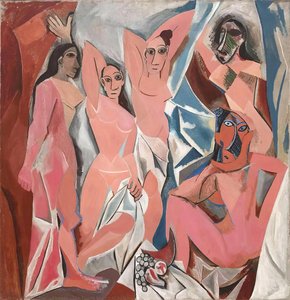
Pablo Picasso's “Head: Study for a Monument,” painted in 1929, isn’t merely a depiction of two sculpted heads; it’s a profound meditation on the nature of creation, memory, and the elusive pursuit of immortality. Commissioned as a preliminary sketch for a monumental sculpture honoring the poet Guillaume Apollinaire, this work transcends its initial purpose to become a powerful statement about the inherent tension between form and idea, finished and unfinished. The painting pulses with an energy born from the artist’s ongoing struggle to capture the essence of his subject – not just Apollinaire's likeness, but the very spirit of poetic inspiration itself.
Picasso’s commission for Apollinaire’s memorial was a monumental undertaking, demanding years of contemplation. The artist wrestled with how to represent a life dedicated to words, ultimately rejecting the traditional approaches of marble or bronze. Instead, he envisioned a monument built entirely of poetry and fame – an intriguing paradox that fueled his artistic exploration. “Head: Study for a Monument” embodies this conceptual struggle; it’s a visual representation of the process itself, capturing the fleeting moments of inspiration before they solidify into a definitive form. The unfinished quality isn't a flaw but a deliberate choice, mirroring the ephemeral nature of poetic thought and the ongoing act of artistic creation.
Executed in a striking palette of blues and whites, the painting immediately draws the eye. Picasso employs a bold, fractured Cubist style, dissecting the heads into geometric planes and layering them upon one another. The figures aren’t rendered with smooth transitions; instead, sharp angles and overlapping forms create a dynamic tension, suggesting both solidity and instability. Notice how the central head, slightly larger and more defined, anchors the composition while the smaller figure to its left seems to dissolve into fragmented echoes. This deliberate imbalance reflects the artist's exploration of Apollinaire’s ideas – a constant push and pull between structure and chaos, permanence and transience.
Beyond its formal qualities, “Head: Study for a Monument” is rich in symbolic meaning. The two heads can be interpreted as representing Apollinaire himself – the finished poet and the nascent idea that gave rise to his work. The scattered smaller figures throughout the painting symbolize fragments of memory, fleeting thoughts, and the countless influences that shape artistic creation. The overall effect is one of profound introspection, inviting viewers to contemplate the relationship between inspiration, labor, and the enduring legacy we leave behind. Picasso masterfully uses the unfinished state to suggest a continuous process, a perpetual striving for expression – a poignant reflection on the artist’s own lifelong pursuit of capturing the intangible.
This captivating artwork offers more than just aesthetic pleasure; it's an invitation into the mind of one of history’s most innovative artists. A hand-painted reproduction from Most-Famous-Paintings.com allows you to bring this powerful study directly into your home or office, serving as a constant reminder of the beauty and complexity inherent in the creative process.

1881 - 1973 , 스페인

Explore the revolutionary world of Cubism. Discover how masters Pablo Picasso and Georges Braque dismantled reality through geometric abstraction to redefine modern art history.


최신 미술 뉴스, 특별 혜택 및 인테리어 아이디어를 가장 먼저 만나보세요.
프로젝트에 대해 알려주시면 저희 미술 전문가들이 맞춤형 아트 제안 3가지를 전달해 드립니다.
당신만을 위한 맞춤형 옵션 3가지를 무료로 추천해 드립니다!


 미리보기
미리보기
 프린트 구매
 공유하기
공유하기 공유하기
공유하기
 상세 정보
상세 정보

 다운로드
다운로드
 유사 작품
유사 작품 X-레이
X-레이 슬라이드 쇼
 더 보기
더 보기









 유리 옵션은 110cm 미만 크기에서만 선택 가능합니다.