x
빠른 제작과 다양한 마감 옵션을 제공하는 박물관 품질의 지클레이 또는 캔버스 프린트. ( 손으로 그린 그림 구매 이미지 구매)





























작품의 원본 비율을 유지하는 미리 설정된 크기 중에서 선택하세요.

특정 프레임이나 공간에 맞춰 직접 치수를 입력하실 수 있습니다. 선택하신 사이즈가 원본 이미지의 비율과 일치하지 않을 경우, 작품을 크롭(자르기)하거나 이미지를 대칭 또는 단색 채우기로 확장하여 제작합니다. 제작 시작 전, 최종 확인을 위해 디지털 목업이 전송됩니다.
화면상의 미리보기는 실제 크롭이나 확장 상태를 반영하지 않으므로, 최종 구도는 오직 목업을 통해서만 정확하게 확인하실 수 있습니다.
맞춤 사이즈 제작도 가능하지만, 원본 비율을 유지하기 위해서는 사전 정의된 목록에서 치수를 선택하시는 것을 권장합니다.

Mule
복제본 크기
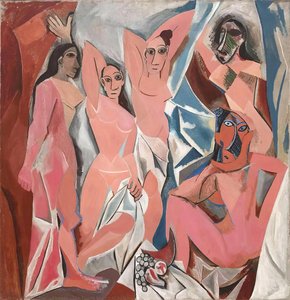
Pablo Picasso's "Mule," a deceptively simple depiction of a horse standing upon a table, embodies the core tenets of his revolutionary approach to art during its creation between 1945 and 1946. This work, far from being merely a straightforward representation of equine anatomy, is a profound exploration of form, perspective, and the very nature of perception – hallmarks of Picasso’s Cubist period. The painting immediately confronts the viewer with an unsettling arrangement; the central horse, rendered with a deliberate angularity, dominates the composition, its head turned in a gesture that simultaneously invites and deflects attention. The inclusion of two smaller horses flanking the main figure adds another layer of complexity, suggesting a fragmented reality where individual elements are isolated and reassembled according to the artist’s will.
Picasso’s technique in “Mule” is characterized by a meticulous attention to detail within a deliberately fractured framework. The horse’s musculature is rendered with sharp, geometric planes, reflecting the Cubist desire to analyze and reconstruct forms from multiple angles. The wooden table, similarly fragmented, contributes to the overall sense of instability and disorientation. The painting was executed in oil on canvas, a medium that allowed Picasso to achieve both the textural richness necessary for depicting muscle and bone, and the precise lines required for his geometric approach. The brushwork is largely concealed beneath layers of paint, creating a smooth, almost polished surface – a characteristic feature of Picasso’s mature style.
Created in 1945-1946, “Mule” reflects the post-World War II artistic landscape, a period marked by profound social and political upheaval. Picasso, already a titan of modern art, continued to push boundaries, experimenting with new forms and challenging established conventions. This work can be seen as part of a broader trend towards abstraction within 20th-century art, reflecting a growing disillusionment with traditional values and a desire to explore the fundamental building blocks of visual perception. The painting’s creation coincided with Picasso's move to Paris, solidifying his position as a leading figure in the international avant-garde.
Despite its intellectual rigor, “Mule” possesses a powerful emotional resonance. The horse’s isolated posture, coupled with the fragmented composition, evokes feelings of loneliness, displacement, and perhaps even anxiety. The painting's ambiguity invites multiple interpretations – is it a meditation on the fragility of life, a commentary on the dehumanizing effects of war, or simply an exploration of formal possibilities? Ultimately, “Mule” remains a testament to Picasso’s genius, a work that continues to challenge and inspire viewers decades after its creation. Its enduring appeal lies in its ability to provoke thought and engage with fundamental questions about art, perception, and the human condition.

1881 - 1973 , 스페인

Elevate your design projects with Most-Famous-Paintings's premium canvas prints and hand-painted reproductions. Discover affordable, museum-quality wall decor delivered worldwide, offering freelance decorators professional excellence, archival durability, and bespoke customization for every space.


최신 미술 뉴스, 특별 혜택 및 인테리어 아이디어를 가장 먼저 만나보세요.
프로젝트에 대해 알려주시면 저희 미술 전문가들이 맞춤형 아트 제안 3가지를 전달해 드립니다.
당신만을 위한 맞춤형 옵션 3가지를 무료로 추천해 드립니다!


 미리보기
미리보기
 공유하기
공유하기 공유하기
공유하기
 상세 정보
상세 정보

 다운로드
다운로드
 유사 작품
유사 작품 X-레이
X-레이 슬라이드 쇼

 더 보기
더 보기









 유리 옵션은 110cm 미만 크기에서만 선택 가능합니다.