


x
 Acrylic On CanvasWallArtCubism
 1904
1904 116.0 x 73.0 cm




























작품의 원본 비율을 유지하는 미리 설정된 크기 중에서 선택하세요.

특정 프레임이나 공간에 맞도록 직접 크기를 입력할 수 있습니다. 선택하신 크기가 원본 이미지의 비율과 일치하지 않는 경우, 작품을 자르거나 추가적인 손으로 그린 요소를 사용하여 그림을 확장합니다. 제작 시작 전 승인을 위해 디지털 목업을 보내드립니다.
화면 미리 보기는 실제 자르기 또는 확장을 반영하지 않습니다. 최종 구성은 목업을 통해서만 정확하게 확인하실 수 있습니다.
맞춤 크기 제작도 가능하지만, 원본 비율을 유지하기 위해 사전 정의된 목록에서 크기를 선택하시는 것을 권장합니다.

The ironer
복제본 크기
Pablo Picasso's "The Ironer," painted in 1904 during his formative Blue Period, stands as a poignant emblem of Expressionism—a movement dedicated to conveying raw emotion and psychological truth rather than merely representing reality. Measuring 116.2 by 73 cm, this genre painting transcends the commonplace act of ironing clothes, transforming it into a profound meditation on loneliness, hardship, and the quiet desperation inherent in everyday life.
Picasso’s artistic journey during this period was profoundly shaped by diverse influences. The burgeoning Catalan modernism scene in Barcelona provided him with a visual vocabulary rooted in bold color palettes and geometric forms—a departure from the academic conventions of his time. Simultaneously, he absorbed elements of Post-Impressionist painters like Vincent van Gogh and Paul Cézanne, particularly their exploration of tonal harmonies and simplified brushstrokes. These influences coalesced to forge Picasso’s distinctive style, characterized by a deliberate rejection of photographic realism.
The painting's composition is strikingly simple yet powerfully effective. Picasso centers his gaze on the figure of a woman bent over an ironing board—a deliberately unremarkable subject elevated to symbolic significance through masterful technique. The muted palette of blues and grays dominates, mirroring the pervasive gloom of the Blue Period and evoking a palpable sense of solitude. Picasso employs loose, expressive brushstrokes – impasto – creating visible texture across the canvas, particularly in areas around the woman’s torso and hands. This textural richness contributes to the painting's emotional depth.
Adding another layer of intrigue is the discovery that an infrared camera examination conducted in 1989 revealed a hidden portrait beneath “The Ironer.” This serendipitous revelation illuminates Picasso’s creative process—his habit of reusing canvases and experimenting with layering techniques. The presence of this concealed image suggests that Picasso wasn't merely documenting a scene; he was actively constructing it, embedding within its surface multiple narratives and inviting contemplation about the artist’s intentions.
"The Ironer" cemented Picasso’s position as a pioneer of Expressionism and served as an undeniable precursor to Cubism. Its rejection of traditional perspective and its fragmentation of form foreshadowed the revolutionary aesthetic championed by Georges Braque and Picasso themselves. Furthermore, the painting’s exploration of psychological states resonated with subsequent movements like Futurism and Abstract Expressionism, demonstrating Picasso's enduring impact on the trajectory of 20th-century art.

1881 - 1973 , 스페인

Immerse yourself in the captivating world of slate blue! Explore 10 iconic paintings by Monet, Van Gogh & Renoir. Discover their stories, techniques & find museum-quality art reproductions for your home at .
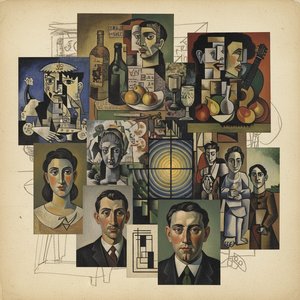
Explore 10 Cubist masterpieces by Picasso, Braque & more! Delve into the history of this revolutionary art movement. Find museum-quality reproductions and elevate your home decor with Most-Famous-Paintings. Discover all masterpieces on Most-Famous-Paintings.com

Explore 10 revolutionary Cubist portraits by Picasso, Braque & more! Discover the stories behind these iconic paintings and how they shaped modern art. Find museum-quality reproductions to elevate your home decor on Most-Famous-Paintings.com.

Explore 10 Cubist masterpieces by Picasso, Braque & more! Discover the stories behind these revolutionary paintings and their impact on modern art. Find museum-quality reproductions for your home at Most-Famous-Paintings.com – where art comes to life.

Explore the rich history of blue in art! Discover its symbolism, from ancient pigments to modern masterpieces by Kandinsky & Seurat. Uncover the psychological impact and cultural meanings behind this captivating hue.


최신 미술 뉴스, 특별 혜택 및 인테리어 아이디어를 가장 먼저 만나보세요.
프로젝트에 대해 알려주시면 저희 미술 전문가들이 맞춤형 아트 제안 3가지를 전달해 드립니다.
당신만을 위한 맞춤형 옵션 3가지를 무료로 추천해 드립니다!


 미리보기
미리보기
 프린트 구매
 공유하기
공유하기 공유하기
공유하기
 상세 정보
상세 정보

 다운로드
다운로드
 유사 작품
유사 작품 X-레이
X-레이 슬라이드 쇼
 더 보기
더 보기









 유리 옵션은 110cm 미만 크기에서만 선택 가능합니다.


