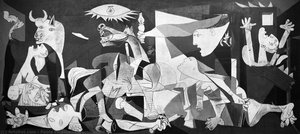
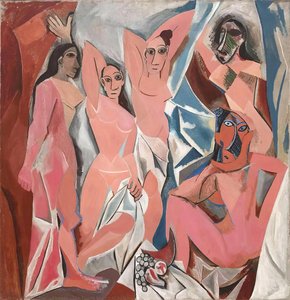
x





























작품의 원본 비율을 유지하는 미리 설정된 크기 중에서 선택하세요.

특정 프레임이나 공간에 맞도록 직접 크기를 입력할 수 있습니다. 선택하신 크기가 원본 이미지의 비율과 일치하지 않는 경우, 작품을 자르거나 추가적인 손으로 그린 요소를 사용하여 그림을 확장합니다. 제작 시작 전 승인을 위해 디지털 목업을 보내드립니다.
화면 미리 보기는 실제 자르기 또는 확장을 반영하지 않습니다. 최종 구성은 목업을 통해서만 정확하게 확인하실 수 있습니다.
맞춤 크기 제작도 가능하지만, 원본 비율을 유지하기 위해 사전 정의된 목록에서 크기를 선택하시는 것을 권장합니다.

The workshop 1
복제본 크기
Painted in 1927, during a period of remarkable artistic evolution for Pablo Picasso, “The Workshop” isn't merely a depiction of a studio; it’s a vibrant, almost frenetic snapshot of the artist himself immersed in his craft. The painting immediately captivates with its bold contrasts and dynamic composition—a world rendered in stark black and white that pulsates with an undeniable energy. It’s a piece that invites prolonged contemplation, revealing layers of meaning and hinting at the complex emotions simmering beneath the surface.
Picasso, already a titan of modern art by this point, was navigating a period of intense experimentation, moving beyond the rigid confines of Cubism while retaining its core principles. “The Workshop” embodies this transitional phase—a departure from the analytical fragmentation of his earlier work yet still retaining a distinctly Picassoesque approach to form and perspective. The figures are not precisely rendered but rather suggested through expressive lines and overlapping planes, creating an illusionistic depth that is both unsettling and compelling.
The central focus of the painting is undoubtedly the nude woman seated on a chair, engaged in animated conversation with two other figures—a man wearing a beret and another sporting a hat. These aren’t portraits in the traditional sense; they are embodiments of gesture and movement, captured with remarkable immediacy. Picasso masterfully utilizes hatching and cross-hatching to build up tonal values and texture, creating a surface that feels both rough and intensely tactile. The lines themselves seem to vibrate with energy, conveying not just the appearance of these figures but also their emotional state.
Notice how Picasso deliberately obscures the faces of many of his subjects—a technique frequently employed during this period. This deliberate ambiguity forces the viewer to focus on the overall composition and the interplay between the figures, rather than getting lost in individual details. The blurred features contribute to a sense of mystery and intimacy, suggesting that we are privy to a private moment, a shared conversation filled with unspoken thoughts and feelings.
“The Workshop” is rich in symbolic potential. The setting itself—a cluttered studio overflowing with tools, canvases, and half-finished projects—represents the chaotic yet fertile ground of artistic creation. The presence of multiple figures suggests collaboration, debate, and the exchange of ideas – essential components of Picasso’s creative process. The woman's pose, relaxed yet engaged, hints at a sense of contentment and perhaps even vulnerability.
Furthermore, the painting’s melancholic mood—evoked by the muted palette and the slightly unsettling composition—reflects a recurring theme in Picasso’s work: the bittersweet beauty of human connection amidst the inevitability of loss. The overall impression is one of intimacy, contemplation, and a profound appreciation for the act of creation itself. It's a piece that lingers in the mind long after you've turned away, prompting reflection on the nature of art, life, and the enduring power of the human spirit.

1881 - 1973 , 스페인
앙리 마티스의 시대를 초월하는 걸작 25선을 만나보세요. 색채주의, 야수파를 대표하는 그의 삶과 예술 세계를 탐험하고, Most-Famous-Paintings에서 명화 복제본으로 거실 인테리어에 감동을 더하세요. 지금 바로 컬렉션을 확인하세요!

Delve into the power of 'Ivory Black' with 10 iconic paintings by masters like Rembrandt & Caravaggio. Explore dramatic chiaroscuro, gothic moods & timeless art history. Find museum-quality reproductions and elevate your home decor at

Explore the revolutionary art of Pablo Picasso with Most-Famous-Paintings.com. Discover Cubism's origins, symbolism in his masterpieces & investment insights for collectors. Expert appraisal & custom reproductions available.
Delve into the power of 'Mars Black' with 10 iconic paintings by masters like Rembrandt & Caravaggio. Explore dramatic chiaroscuro, gothic art, and timeless beauty. Find museum-quality reproductions & elevate your home decor on .

Explore the captivating history of the nude in art! From ancient Greece to modern masters, discover its evolving symbolism, techniques & enduring beauty. Expert insights for collectors and enthusiasts.


최신 미술 뉴스, 특별 혜택 및 인테리어 아이디어를 가장 먼저 만나보세요.
프로젝트에 대해 알려주시면 저희 미술 전문가들이 맞춤형 아트 제안 3가지를 전달해 드립니다.
당신만을 위한 맞춤형 옵션 3가지를 무료로 추천해 드립니다!


 미리보기
미리보기
 프린트 구매
 공유하기
공유하기 공유하기
공유하기
 상세 정보
상세 정보

 다운로드
다운로드
 유사 작품
유사 작품 X-레이
X-레이 슬라이드 쇼

 더 보기
더 보기









 유리 옵션은 110cm 미만 크기에서만 선택 가능합니다.