x
빠른 제작과 다양한 마감 옵션을 제공하는 박물관 품질의 지클레이 또는 캔버스 프린트. ( 손으로 그린 그림 구매 이미지 구매)





























작품의 원본 비율을 유지하는 미리 설정된 크기 중에서 선택하세요.

특정 프레임이나 공간에 맞춰 직접 치수를 입력하실 수 있습니다. 선택하신 사이즈가 원본 이미지의 비율과 일치하지 않을 경우, 작품을 크롭(자르기)하거나 이미지를 대칭 또는 단색 채우기로 확장하여 제작합니다. 제작 시작 전, 최종 확인을 위해 디지털 목업이 전송됩니다.
화면상의 미리보기는 실제 크롭이나 확장 상태를 반영하지 않으므로, 최종 구도는 오직 목업을 통해서만 정확하게 확인하실 수 있습니다.
맞춤 사이즈 제작도 가능하지만, 원본 비율을 유지하기 위해서는 사전 정의된 목록에서 치수를 선택하시는 것을 권장합니다.

Bend in the River
복제본 크기
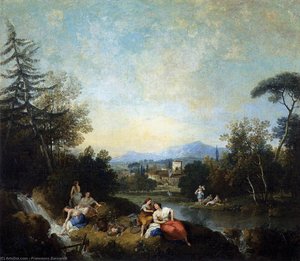
In the quiet corners of art history, few moments capture the raw, unadorned beauty of the natural world as poignantly as Paul Cézanne’s Bend in the River. Painted around 1868, this evocative landscape serves as a window into a period of profound transition for the artist. Before he became the architect of modern form and the precursor to Cubism, Cézanne was deeply immersed in the emotive textures of Romanticism and the grounded reality of the Barbizon school. In this particular work, we find ourselves transported to a secluded sanctuary where the rhythmic flow of water meets the steadfast presence of ancient trees. The composition is anchored by a striking foreground element—a tree that stands as a silent sentinel over the winding river—guiding the viewer’s eye through a lush tapestry of verdant grasses and dappled light.
What makes this piece particularly captivating for the modern collector or interior designer is its ability to instill a sense of profound tranquility. The presence of two small, distant figures near the center and right of the canvas introduces a delicate human element; they are not the masters of this landscape, but rather humble participants in its eternal cycle. This subtle interaction between humanity and the wild suggests a harmonious coexistence, making the painting feel deeply relatable and emotionally resonant. For those looking to curate a space of reflection, such as a study or a serene bedroom, this artwork offers a meditative focal point that invites the gaze to linger and the mind to wander.
To observe Bend in the River is to witness the early, experimental brushwork of a master in the making. During this "dark period" of his career, Cézanne’s palette was often more somber and earth-toned than the sun-drenched Impressionism that would later define him. Here, he utilizes a rich, layered technique to build texture and depth. The way the light filters through the canopy and reflects off the gentle ripples of the water demonstrates an incredible sensitivity to atmosphere. There is a palpable weight to the trees and a structural solidity to the landscape that hints at his future obsession with geometric form.
The artist’s approach in this era was less about capturing a fleeting glance of light and more about exploring the tactile essence of the subject. Each stroke of oil on canvas contributes to a sense of organic growth and decay, creating a scene that feels both alive and timeless. For an art enthusiast, owning a high-quality reproduction of this piece means bringing home not just a beautiful image, but a fragment of the evolution of modern art itself. The interplay of shadow and light within the foliage provides a sophisticated complexity that complements diverse interior aesthetics, from classical traditionalism to contemporary minimalist settings.
Integrating a masterpiece like Bend in the River into a living space is an act of storytelling. It serves as a bridge between the historical weight of the 19th century and the aesthetic needs of the 21st. The painting’s ability to evoke nostalgia for a simpler, more pastoral existence makes it a versatile choice for various design palettes. Whether framed in a heavy, ornate gold to emphasize its historical significance or presented in a sleek, modern frame to highlight its structural qualities, the work commands attention through its quiet strength.
Ultimately, this painting is an invitation to slow down. In an age of digital noise and constant movement, Cézanne’s vision of a peaceful river bend offers a much-needed respite. It is a piece that does not shout for attention but rather earns it through subtle beauty and enduring grace. For the discerning collector, it represents an opportunity to possess a work that embodies the very soul of nature—a permanent, tranquil presence that continues to inspire awe and contemplation long after the first viewing.


1839 - 1906 , 프랑스

Immerse yourself in the lush beauty of nature through 10 iconic paintings defined by rich sap green tones. From Impressionist landscapes to timeless classics, explore the stories behind these verdant masterpieces and find museum-quality art reproductions on Most-Famous-Paintings.com.

Explore the profound legacy of the Hudson River School. Discover how masters like Thomas Cole captured the American sublime through Romanticism and Luminism. A definitive guide for art historians and collectors seeking to understand America's wild beauty.


최신 미술 뉴스, 특별 혜택 및 인테리어 아이디어를 가장 먼저 만나보세요.
프로젝트에 대해 알려주시면 저희 미술 전문가들이 맞춤형 아트 제안 3가지를 전달해 드립니다.
당신만을 위한 맞춤형 옵션 3가지를 무료로 추천해 드립니다!


 미리보기
미리보기
 공유하기
공유하기 공유하기
공유하기
 상세 정보
상세 정보

 다운로드
다운로드
 유사 작품
유사 작품 X-레이
X-레이 슬라이드 쇼

 더 보기
더 보기









 유리 옵션은 110cm 미만 크기에서만 선택 가능합니다.