x

 WatercolorWallArtPost-Impressionism
 188219th Century
 38.0 x 20.0 cm




























작품의 원본 비율을 유지하는 미리 설정된 크기 중에서 선택하세요.

특정 프레임이나 공간에 맞춰 직접 치수를 입력하실 수 있습니다. 선택하신 사이즈가 원본 이미지의 비율과 일치하지 않을 경우, 작품을 크롭(자르기)하거나 이미지를 대칭 또는 단색 채우기로 확장하여 제작합니다. 제작 시작 전, 최종 확인을 위해 디지털 목업이 전송됩니다.
화면상의 미리보기는 실제 크롭이나 확장 상태를 반영하지 않으므로, 최종 구도는 오직 목업을 통해서만 정확하게 확인하실 수 있습니다.
맞춤 사이즈 제작도 가능하지만, 원본 비율을 유지하기 위해서는 사전 정의된 목록에서 치수를 선택하시는 것을 권장합니다.

Medea
복제본 크기
Paul Cézanne's Medea, created in 1882, stands as a poignant example of his evolving Post-Impressionist style. This watercolor painting, measuring 38 x 20 cm, transcends a simple depiction; it’s an exploration of human emotion rendered through innovative formal techniques.
Medea emerged during a pivotal period in art history. Post-Impressionism arose as a reaction against the fleeting, light-focused depictions of Impressionism. Cézanne, alongside artists like Vincent van Gogh and Paul Gauguin, sought to imbue their works with deeper emotional resonance and structural solidity. While Impressionists aimed to capture momentary visual impressions, Post-Impressionists delved into subjective experiences and explored formal elements—color, line, and composition—to convey meaning. This movement, predominantly French, spanned roughly from 1886 to 1905, laying the groundwork for subsequent modern art movements like Cubism.
The painting portrays a nude female figure seated on what appears to be a rocky outcrop. She cradles a child in her arms, creating an immediate sense of intimacy and maternal tenderness. Two indistinct figures are visible in the background, adding depth and suggesting a narrative beyond the central subject. Cézanne’s use of watercolor is particularly striking; the fluid medium allows for layered washes of color that create a sense of atmosphere and vulnerability. The lines are not precise but rather expressive, conveying movement and emotion over strict realism. Notice how Cézanne uses tonal variations within the foliage in the background to suggest depth, despite the somewhat flattened perspective characteristic of his style. This technique prioritizes feeling and visual impact over photographic accuracy.
The title Medea alludes to the tragic figure from Greek mythology—a powerful sorceress known for her passionate nature and devastating actions. While Cézanne’s painting doesn't explicitly depict a scene from the myth, it evokes its underlying themes of strength, resilience, and perhaps even despair. The nude figure can be interpreted as representing fertility, a connection to nature, or the raw vulnerability of human emotion. The overall composition suggests a moment of quiet contemplation amidst potential turmoil—a powerful portrayal of maternal instinct and inner fortitude.
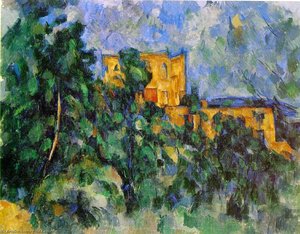
Cézanne drew inspiration from various artistic sources, including Pierre-Auguste Renoir, whose works often explored themes of love and family. However, Cézanne’s approach diverged significantly; he sought to move beyond the purely aesthetic concerns of Impressionism towards a more structured and emotionally charged representation of reality. Consider Well by the Winding Road in the Park of Chateau Noir, another notable work by Cézanne, which demonstrates his ability to capture landscapes with a sense of tranquility while employing his signature geometric approach. His later explorations into form would profoundly influence artists like Pablo Picasso and Georges Braque, solidifying his place as a pivotal figure in the transition from 19th-century art to modernism.


1839 - 1906 , 프랑스
폴 세잔의 시대를 초월하는 명작 25점을 만나보세요. 인상주의를 넘어 후기 인상주의를 개척한 화가의 예술 세계와 정물화, 풍경화 속 숨겨진 이야기를 Most-Famous-Paintings에서 감상하세요. 고품질 아트 프린트와 캔버스 액자로 공간에 예술을 더해보세요! 지금 바로 컬렉션을 탐험하세요.

폴 클레 최고작 25선을 만나보세요. 추상 미술의 거장 폴 클레의 색채와 감성이 담긴 명화들을 감상하고, 작품 속 숨겨진 이야기와 화풍을 탐구하세요. Most-Famous-Paintings에서 고품질 아트 프린트와 인테리어 아이디어를 찾아보세요! 지금 바로 컬렉션을 둘러보세요.

Journey through Impressionism's heart with 10 iconic paintings by Monet, Renoir & Degas. Explore light, color & the stories behind these masterpieces. Find museum-quality art reproductions and elevate your home decor on Most-Famous-Paintings.com.

Journey through 10 legendary watercolor masterpieces by Sargent, Turner & Homer! Explore iconic landscapes, portraits & floral art that redefined history. Find museum-quality reproductions and curated decor ideas at Most-Famous-Paintings.com.

클로드 모네의 시대를 초월한 걸작 25선을 만나보세요. 인상주의 화가 모네의 빛과 색채, 그리고 숨겨진 이야기를 Most-Famous-Paintings에서 감상하세요. 거실, 침실을 위한 고급 미술 작품 컬렉션을 지금 바로 탐험해보세요! Most-Famous-Paintings.com


최신 미술 뉴스, 특별 혜택 및 인테리어 아이디어를 가장 먼저 만나보세요.
프로젝트에 대해 알려주시면 저희 미술 전문가들이 맞춤형 아트 제안 3가지를 전달해 드립니다.
당신만을 위한 맞춤형 옵션 3가지를 무료로 추천해 드립니다!


 작품 구매하기
 공유하기
공유하기 공유하기
공유하기
 상세 정보
상세 정보

 다운로드
다운로드
 유사 작품
유사 작품 X-레이
X-레이 슬라이드 쇼
 더 보기
더 보기









 유리 옵션은 110cm 미만 크기에서만 선택 가능합니다.