x
빠른 제작과 다양한 마감 옵션을 제공하는 박물관 품질의 지클레이 또는 캔버스 프린트. ( 손으로 그린 그림 구매 이미지 구매)





























작품의 원본 비율을 유지하는 미리 설정된 크기 중에서 선택하세요.

특정 프레임이나 공간에 맞춰 직접 치수를 입력하실 수 있습니다. 선택하신 사이즈가 원본 이미지의 비율과 일치하지 않을 경우, 작품을 크롭(자르기)하거나 이미지를 대칭 또는 단색 채우기로 확장하여 제작합니다. 제작 시작 전, 최종 확인을 위해 디지털 목업이 전송됩니다.
화면상의 미리보기는 실제 크롭이나 확장 상태를 반영하지 않으므로, 최종 구도는 오직 목업을 통해서만 정확하게 확인하실 수 있습니다.
맞춤 사이즈 제작도 가능하지만, 원본 비율을 유지하기 위해서는 사전 정의된 목록에서 치수를 선택하시는 것을 권장합니다.

About Chess
복제본 크기
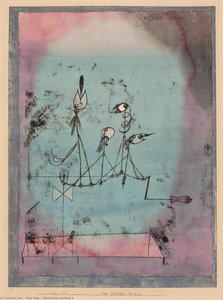
Paul Klee’s “About Chess” is more than just a depiction of a checkered pattern; it's an invitation into the artist’s mind—a vibrant exploration of form, color, and emotion that speaks to the core principles of Expressionism. Created in 1940 during his time in Switzerland amidst the anxieties of World War II, this painting embodies Klee’s unwavering belief in art as a conduit for inner experience.
The style is unmistakably Expressionist, prioritizing subjective feeling over objective representation. Unlike traditional landscapes or portraits, “About Chess” abandons any illusion of reality, opting instead for a deliberately fragmented visual vocabulary. Geometric shapes—squares, triangles, circles—are interwoven with amorphous blobs and dots, creating a dynamic interplay between order and chaos.
Klee’s technique is characterized by meticulous layering of watercolor and gouache pigments on paper. He employs a hatching and crosshatching method to build up tonal values, achieving remarkable depth and texture despite the apparent simplicity of the composition. The artist's hand is visible in every brushstroke, conveying a sense of spontaneity and immediacy that underscores the painting’s expressive power.
Historically, Klee’s work aligns with the broader Expressionist movement—a reaction against rationalism and formalism—which sought to capture the psychological realities of human existence. Influenced by artists like Edvard Munch and Wassily Kandinsky, Klee embraced abstraction as a means of conveying spiritual truths and confronting existential anxieties.
Symbolically, “About Chess” operates on multiple levels. The chessboard itself represents intellectual struggle—the confrontation between opposing forces—while the scattered dots symbolize points of connection and potential insight. The bold colors—red, blue, yellow, black, white—are not merely decorative; they are imbued with emotional significance, reflecting Klee’s fascination with color theory and his desire to evoke visceral responses in the viewer.
Ultimately, “About Chess” resonates deeply with its audience through its profound emotional impact. It captures a state of contemplative awareness—a moment of stillness amidst turbulent circumstances—and invites viewers to contemplate the complexities of human consciousness. The painting’s luminous palette and textured surface convey a sense of warmth and vitality, reminding us that even in times of darkness, beauty can endure.

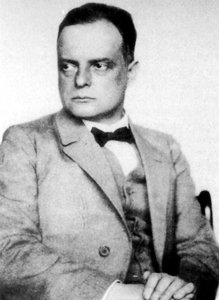
1879 - 1940 , 스위스

Discover the profound intersection of geometry and emotion in Cubist Expressionism. Explore art history through our expert analysis of modern masters and find museum-quality, hand-painted oil reproductions of iconic masterpieces for your collection.

Explore the profound impact of Minimalism and Geometric Abstraction. From Mondrian to Malevich, discover how stripping art to its essential forms revolutionized modern aesthetics through our expert-led historical guide.


최신 미술 뉴스, 특별 혜택 및 인테리어 아이디어를 가장 먼저 만나보세요.
프로젝트에 대해 알려주시면 저희 미술 전문가들이 맞춤형 아트 제안 3가지를 전달해 드립니다.
당신만을 위한 맞춤형 옵션 3가지를 무료로 추천해 드립니다!


 미리보기
미리보기
 공유하기
공유하기 공유하기
공유하기
 상세 정보
상세 정보

 다운로드
다운로드
 유사 작품
유사 작품 X-레이
X-레이 슬라이드 쇼
 더 보기
더 보기









 유리 옵션은 110cm 미만 크기에서만 선택 가능합니다.