x






























작품의 원본 비율을 유지하는 미리 설정된 크기 중에서 선택하세요.

특정 프레임이나 공간에 맞춰 직접 치수를 입력하실 수 있습니다. 선택하신 사이즈가 원본 이미지의 비율과 일치하지 않을 경우, 작품을 크롭(자르기)하거나 이미지를 대칭 또는 단색 채우기로 확장하여 제작합니다. 제작 시작 전, 최종 확인을 위해 디지털 목업이 전송됩니다.
화면상의 미리보기는 실제 크롭이나 확장 상태를 반영하지 않으므로, 최종 구도는 오직 목업을 통해서만 정확하게 확인하실 수 있습니다.
맞춤 사이즈 제작도 가능하지만, 원본 비율을 유지하기 위해서는 사전 정의된 목록에서 치수를 선택하시는 것을 권장합니다.

Hammamet
복제본 크기
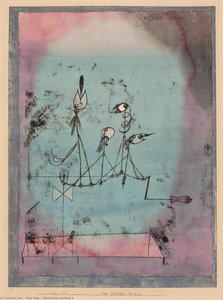
Paul Klee’s “Vibrant Exploration of Form and Color,” painted in 1932 during his prolific period in Murnau, Bavaria, stands as a testament to the artist's unwavering commitment to abstract expressionism. More than just aesthetically pleasing, this artwork embodies a complex interplay of geometric shapes—primarily squares—arranged in a dynamic composition that defies conventional spatial logic.
Klee employed watercolor on paper as his medium, recognizing its ability to achieve remarkable luminosity and blending qualities. He layered washes of color meticulously, allowing for gradual diffusion and merging of hues—a technique that perfectly complements the geometric framework of the composition.
“Vibrant Exploration of Form and Color” emerged from Klee's immersive experience in Murnau, Bavaria—a town renowned for its picturesque landscapes and burgeoning artistic community during the Weimar Republic. The painting reflects the broader intellectual currents of the time, notably the influence of the Bauhaus school of art and design, which championed geometric abstraction as a means of fostering creativity and promoting functional aesthetics.
Bauhaus Philosophy:The Bauhaus movement advocated for uniting art, craft, and technology—a paradigm shift that challenged traditional artistic conventions. Klee’s exploration of form and color aligns seamlessly with this humanist vision, prioritizing clarity of expression and harmonious integration of visual elements.
Beyond its formal qualities, “Vibrant Exploration of Form and Color” resonates with profound symbolic significance. The recurring squares—a motif that appears throughout Klee’s oeuvre—represent not merely geometric shapes but also concepts of order, stability, and containment. However, their dynamic arrangement disrupts this perceived equilibrium, suggesting an underlying tension between structure and spontaneity.
Emotional Impact:Ultimately, the painting evokes a sense of wonder and contemplation—a invitation to immerse oneself in the artist’s emotional landscape. Its vibrant colors and intricate patterns stimulate visual perception while simultaneously stirring feelings of joy, curiosity, and perhaps even melancholy.
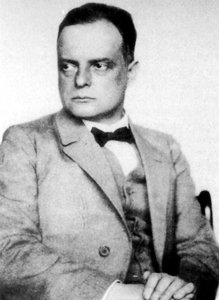
1879 - 1940 , 스위스
Discover how color & plate composition impact the dining experience. Explore culinary psychology insights to enhance restaurant ambiance, stimulate appetite, and elevate customer perception. Expert advice for impactful presentation.

Explore the captivating world of Paul Klee! Discover his innovative art, Bauhaus influence, & unique symbolic language. Expert analysis & high-quality reproductions at Most-Famous-Paintings.
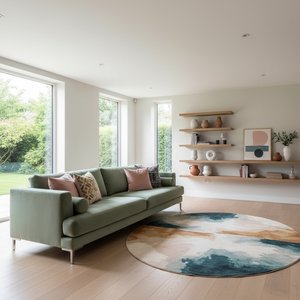
인테리어 디자인에서 색상 팔레트의 심리적 효과를 완벽 분석합니다. 공간별 최적의 조합, 개인 취향 반영 방법, 트렌드 컬러 활용 전략까지! 전문가의 조언으로 당신의 공간을 더욱 아름답고 편안하게 변화시키세요.

Explore the evolution of geometric abstraction from Cubism to contemporary art. Discover key artists like Malevich & Mondrian, investment insights, and expert collecting advice at Most-Famous-Paintings.
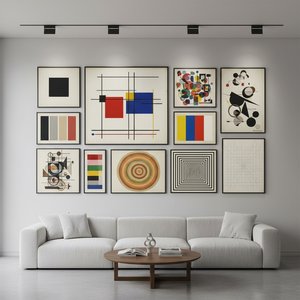
몬드리안, 말레비치 등 거장들의 기하학적 추상 미술 명작 10선을 만나보세요. 각 작품의 예술사적 의미와 색채, 구성을 탐구하고 Most-Famous-Paintings.com에서 고품질 아트 프린트를 소장하세요. 지금 바로 온라인 컬렉션을 확인하세요!


최신 미술 뉴스, 특별 혜택 및 인테리어 아이디어를 가장 먼저 만나보세요.
프로젝트에 대해 알려주시면 저희 미술 전문가들이 맞춤형 아트 제안 3가지를 전달해 드립니다.
당신만을 위한 맞춤형 옵션 3가지를 무료로 추천해 드립니다!


 Preview
 작품 구매하기
 공유하기
공유하기 공유하기
공유하기
 상세 정보
상세 정보

 다운로드
다운로드
 유사 작품
유사 작품 X-레이
X-레이 슬라이드 쇼
 더 보기
더 보기









 유리 옵션은 110cm 미만 크기에서만 선택 가능합니다.