x
빠른 제작과 다양한 마감 옵션을 제공하는 박물관 품질의 지클레이 또는 캔버스 프린트. ( 손으로 그린 그림 구매 이미지 구매)





























작품의 원본 비율을 유지하는 미리 설정된 크기 중에서 선택하세요.

특정 프레임이나 공간에 맞춰 직접 치수를 입력하실 수 있습니다. 선택하신 사이즈가 원본 이미지의 비율과 일치하지 않을 경우, 작품을 크롭(자르기)하거나 이미지를 대칭 또는 단색 채우기로 확장하여 제작합니다. 제작 시작 전, 최종 확인을 위해 디지털 목업이 전송됩니다.
화면상의 미리보기는 실제 크롭이나 확장 상태를 반영하지 않으므로, 최종 구도는 오직 목업을 통해서만 정확하게 확인하실 수 있습니다.
맞춤 사이즈 제작도 가능하지만, 원본 비율을 유지하기 위해서는 사전 정의된 목록에서 치수를 선택하시는 것을 권장합니다.

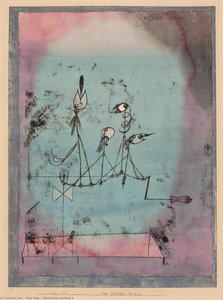
Veil Dance
복제본 크기
Paul Klee's "Veil Dance," painted in 1920, is not merely a depiction of a horse and rider; it’s an immersion into the artist’s uniquely subjective world – a realm where color sings, form shimmers, and emotion takes flight. This captivating work, rendered with Klee’s signature blend of Expressionism, Cubism, and Surrealism, invites us to contemplate themes of movement, tranquility, and perhaps even a touch of wistful longing. The painting immediately draws the eye with its warm, sunset-drenched backdrop, suggesting an idyllic moment captured at twilight. The horse, rendered in fluid, almost watercolor-like strokes, appears to be in full stride, yet there’s a palpable sense of serenity about it – a quiet grace that belies its apparent motion.
Klee's masterful use of color is central to "Veil Dance." He employs a palette dominated by ochres, browns, and muted reds, creating an atmosphere of earthy warmth. These grounded tones are punctuated by brighter accents – yellows and blues – that seem to emanate from within the forms themselves. Notice how he doesn’t meticulously render detail; instead, he utilizes broken planes and overlapping shapes to suggest volume and movement. The rider, a shadowy figure against the vibrant sky, is almost secondary to the horse, emphasizing the animal's central role in the composition. The inclusion of several other horses in the background adds depth and complexity, hinting at a larger scene unfolding beyond the immediate focus.
Analyzing "Veil Dance" through a symbolic lens reveals layers of meaning. The horse itself has long been associated with freedom, power, and nobility – qualities that resonate strongly within Klee’s work. The “veil” in the title could represent not just a physical covering but also a metaphorical barrier between the viewer and the scene, inviting us to step into Klee's imaginative space. The chair, positioned seemingly at random within the landscape, is particularly intriguing. It might symbolize rest, contemplation, or perhaps even a fleeting moment of human connection amidst the vastness of nature – a subtle reminder of our place within the larger world. The painting’s overall mood evokes a sense of quiet reflection, as if capturing a timeless scene from a dream.
Created in 1920, “Veil Dance” reflects the pivotal period in Paul Klee’s artistic development. Following his time at the Bauhaus school in Germany, where he honed his skills in color theory and design, Klee began to explore increasingly abstract forms while retaining a deep connection to representational imagery. This work exemplifies his experimentation with spontaneous drawing techniques – often employing colored pencils on gouache paper – resulting in works that are both meticulously planned and intuitively generated. The influence of Ferruccio Gard’s dynamic neo-constructivist art, with its emphasis on color and geometry, can be subtly detected here, alongside the more lyrical qualities of Eliseo Mattiacci's monumental metal sculptures. The Zentrum Paul Klee in Bern houses the world’s largest collection of his work, offering a profound opportunity to delve deeper into his artistic evolution.
A hand-painted reproduction of “Veil Dance” captures the essence of Klee’s artistic vision with remarkable fidelity. The vibrant colors and dynamic composition are faithfully reproduced, allowing you to bring this evocative masterpiece into your home or office – a testament to the enduring power of one of 20th century's most beloved artists.

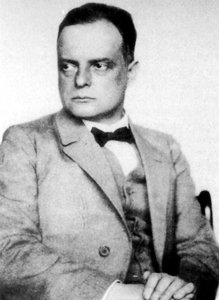
1879 - 1940 , 스위스

폴 클레 최고작 25선을 만나보세요. 추상 미술의 거장 폴 클레의 색채와 감성이 담긴 명화들을 감상하고, 작품 속 숨겨진 이야기와 화풍을 탐구하세요. Most-Famous-Paintings에서 고품질 아트 프린트와 인테리어 아이디어를 찾아보세요! 지금 바로 컬렉션을 둘러보세요.

Explore the captivating world of Paul Klee! Discover his innovative art, Bauhaus influence, & unique symbolic language. Expert analysis & high-quality reproductions at Most-Famous-Paintings.
폴 세잔의 시대를 초월하는 명작 25점을 만나보세요. 인상주의를 넘어 후기 인상주의를 개척한 화가의 예술 세계와 정물화, 풍경화 속 숨겨진 이야기를 Most-Famous-Paintings에서 감상하세요. 고품질 아트 프린트와 캔버스 액자로 공간에 예술을 더해보세요! 지금 바로 컬렉션을 탐험하세요.
Explore the captivating history of dance in art! From Degas' ballet scenes to abstract expressions, discover how artists have captured movement and cultural significance across time. Expert insights for collectors & enthusiasts.

Explore the captivating history of horses in painting! Discover Renaissance masterpieces, Baroque grandeur & expert insights for collecting equestrian art. Learn about symbolism, techniques & lasting value with Most-Famous-Paintings.


최신 미술 뉴스, 특별 혜택 및 인테리어 아이디어를 가장 먼저 만나보세요.
프로젝트에 대해 알려주시면 저희 미술 전문가들이 맞춤형 아트 제안 3가지를 전달해 드립니다.
당신만을 위한 맞춤형 옵션 3가지를 무료로 추천해 드립니다!


 미리보기
미리보기
 공유하기
공유하기 공유하기
공유하기
 상세 정보
상세 정보

 다운로드
다운로드
 유사 작품
유사 작품 X-레이
X-레이 슬라이드 쇼

 더 보기
더 보기









 유리 옵션은 110cm 미만 크기에서만 선택 가능합니다.